


Dryer Running Fine? That Doesn’t Mean Your Vent Is Clean
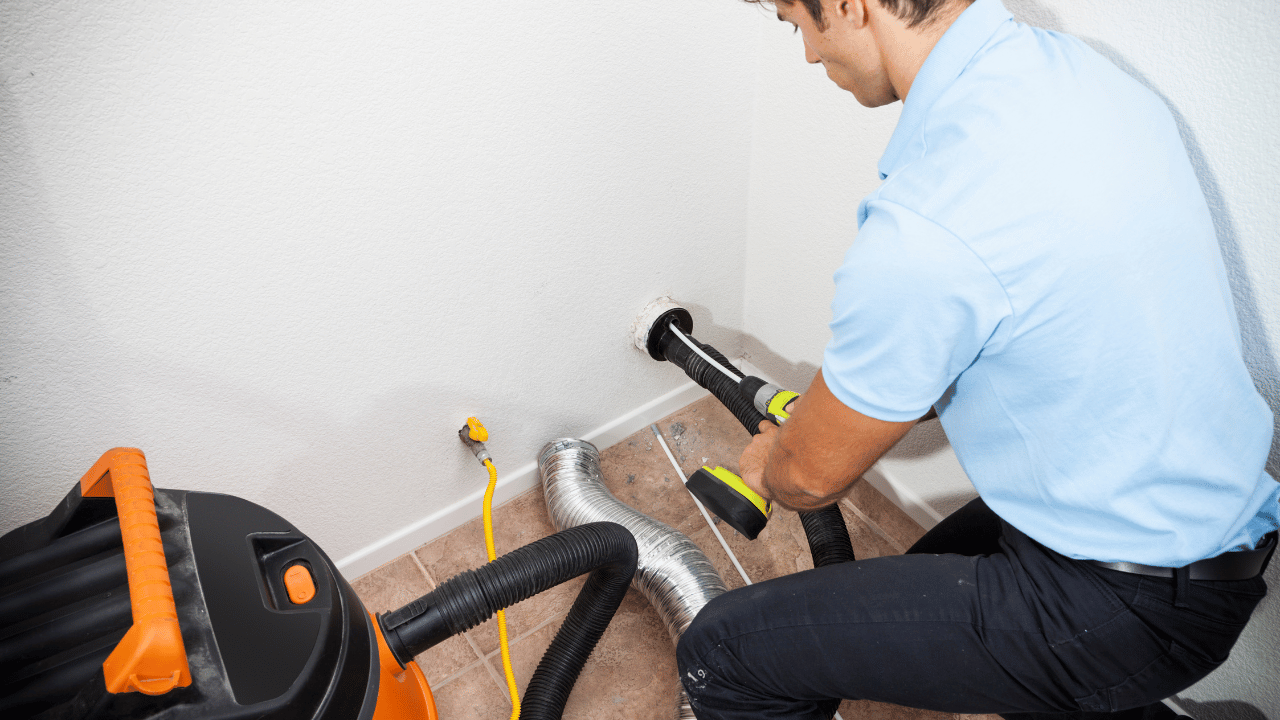
One of the biggest reasons homeowners ignore dryer vent maintenance is simple.
The dryer still works.
Clothes eventually dry, the machine turns on normally, and there are no major breakdowns. Because everything appears fine on the surface, many people assume the vent system must also be in good condition.
But that assumption is often wrong.
A dryer vent can be heavily clogged with lint and debris while the appliance still appears to operate normally. In fact, many dryer vent problems develop slowly over several years without creating obvious warning signs at first.
Meanwhile, airflow becomes more restricted, the dryer works harder, energy usage increases, and hidden fire risks continue growing behind the walls.
That is why professional dryer vent cleaning is important even when the dryer seems to be working perfectly fine.
Why Dryer Vent Problems Stay Hidden
Most of the dryer vent system is completely out of sight.
The ductwork usually runs behind walls, through ceilings, crawlspaces, or attics before exiting outside the home. Homeowners rarely see what is happening inside the vent line itself.
Every time the dryer operates, lint, fabric fibers, dust, and moisture move through that hidden pathway.
The lint screen catches part of the debris, but not all of it.
Fine particles continue traveling into the vent system where they slowly stick to the inside walls of the ductwork. Over time, the buildup grows thicker and airflow becomes weaker.
Since the process happens gradually, homeowners often do not notice the problem developing.
Your Dryer Can Still Work With Poor Airflow
A dryer does not suddenly stop functioning the moment the vent becomes partially clogged.
Instead, the appliance simply begins working harder to compensate for the restricted airflow.
At first, the changes may seem minor:
- Drying cycles take slightly longer
- Towels stay damp longer
- The dryer feels hotter during use
- The laundry room becomes warmer
Because these symptoms appear slowly, many people assume the dryer is simply aging or underperforming slightly.
Meanwhile, the hidden vent blockage continues getting worse.
Longer Drying Times Are Often the First Clue
One of the earliest signs of airflow restriction is clothing taking longer to dry completely.
A clean vent allows moisture and heat to leave the dryer quickly. But when lint buildup narrows the airflow path, humid air becomes trapped inside the system.
The dryer then runs longer to compensate.
Many homeowners do not immediately recognize this as a vent issue because the dryer technically still works. The appliance is simply less efficient than before.
Professional dryer vent cleaning helps restore airflow and improve drying performance.
The Appliance Begins Overheating
When airflow becomes restricted, trapped heat starts building inside the dryer and vent system.
The appliance may feel unusually hot to the touch, especially around the top or sides. Some homeowners also notice extra heat or humidity in the laundry room during dryer cycles.
This overheating creates constant stress on internal components such as:
- Heating elements
- Blower motors
- Thermostats
- Sensors
Over time, excessive heat can shorten the lifespan of the appliance and increase repair costs.
Lint Buildup Creates Hidden Fire Risks
Many homeowners are surprised to learn how flammable lint actually is.
When lint accumulates inside a clogged vent system, trapped heat can create dangerous conditions over time. The dryer continues producing high temperatures while struggling to release heat properly through the blocked vent line.
This is one reason dryer-related house fires occur more often than people realize.
The danger is especially serious because the buildup usually stays hidden behind walls where homeowners cannot see it.
Routine dryer vent cleaning helps remove those hidden fire hazards before they become dangerous.
Cleaning the Lint Trap Is Only Part of the Job
Many people believe cleaning the lint screen after every load fully protects the dryer system.
While that habit is important, the lint trap only catches part of the debris produced during drying cycles.
Fine lint particles still pass through the system and slowly build up inside the vent line over time.
That hidden buildup is what creates airflow restrictions deeper inside the ductwork.
Professional dryer vent cleaning focuses on cleaning the entire vent system rather than just the visible lint screen.
Homes With Pets Usually Experience Faster Buildup
Pet owners often face vent problems sooner than expected.
Pet hair mixes with fabric fibers during the drying process and sticks inside the vent line. Homes with large families or frequent laundry usage also accumulate lint more quickly due to heavier dryer use.
Long vent systems create even more buildup because airflow naturally slows down through longer duct runs.
In these situations, regular maintenance becomes even more important.
High Energy Bills Can Be Another Sign
A clogged dryer vent often increases utility costs without homeowners realizing it.
Longer drying cycles force the appliance to use more electricity or gas with every load. Since the increase happens gradually, many people never connect higher energy bills to the dryer vent system.
Once airflow improves after professional cleaning, many homeowners notice better efficiency almost immediately.
Strange Smells Should Never Be Ignored
Even if the dryer still works, unusual odors may signal airflow problems inside the vent system.
Burning smells often happen when trapped heat begins overheating lint or dust inside the ductwork. Musty smells may develop when moisture remains trapped due to poor ventilation.
These warning signs should always be taken seriously.
DIY Cleaning Usually Misses Deep Buildup
Store-bought vent brushes and vacuum kits can help remove small amounts of surface lint, but they rarely clean the full system completely.
Professional technicians use specialized tools to remove buildup throughout the entire airflow path. They can also identify hidden problems such as:
- Crushed vent hoses
- Bird nests in exterior vents
- Loose duct connections
- Damaged vent covers
- Improper vent installation
A complete inspection helps ensure the dryer system operates safely and efficiently.
How Often Should Dryer Vents Be Cleaned?
Most homes should have their dryer vents professionally cleaned at least once per year.
Homes with pets, larger families, frequent dryer use, or long vent systems may require more regular maintenance.
Routine cleaning helps prevent hidden buildup before it affects performance or safety.
Final Thoughts
A dryer that still runs normally does not always mean the vent system is clean.
Hidden lint buildup can quietly reduce airflow, increase energy usage, strain the appliance, and create serious fire risks long before obvious problems appear.
Professional dryer vent cleaning helps remove hidden debris, restore airflow, improve efficiency, and protect your home from unnecessary risks.
Routine service from AAA Air Duct Cleaning helps keep dryer systems operating safely and efficiently throughout the year.

 Arabic
 French
 Spanish
 Portuguese
 Deutsch
 Turkish
 Dutch
Dutch
 Italiano
 Russian
 Romaian
 Portuguese (Brazil)
 Greek
Greek