


The Transformative Power of AI and Automation in Modern IT Service Management Market Trends
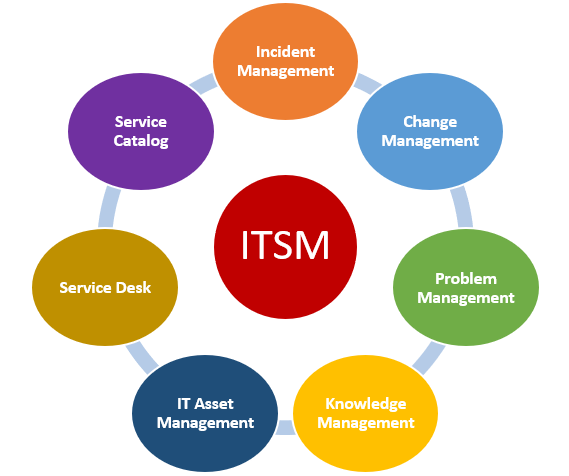
The contemporary evolution of the IT Service Management market is being powerfully defined by a wave of technological innovation, with artificial intelligence (AI) and intelligent automation standing out as the most transformative forces. These technologies are fundamentally re-engineering the very fabric of how IT services are managed, delivered, and optimized, catalyzing a pivotal shift from reactive problem-solving to a proactive and even predictive operational paradigm. One of the most significant emerging It Service Management Market Trends is the widespread integration of AIOps, or AI for IT Operations. This advanced capability leverages sophisticated machine learning algorithms and big data analytics to sift through vast amounts of operational data in real-time, identifying complex patterns and predicting potential issues long before they can escalate and impact critical business services.
Delving deeper into AIOps, its impact on IT operations is profound. By continuously monitoring performance metrics, logs, and user behavior, AIOps platforms can automatically detect anomalies that may signal an impending failure. This allows IT teams to move beyond manual, threshold-based alerting, which often results in a high volume of false positives and alert fatigue. Instead, AIOps provides correlated, context-rich insights that pinpoint the root cause of problems with remarkable accuracy. This capability dramatically reduces the mean time to resolution (MTTR) and minimizes costly business downtime. Furthermore, AIOps can trigger automated remediation workflows, resolving common issues without any human intervention, thus freeing up skilled IT personnel to focus on higher-value, strategic initiatives rather than firefighting.
Beyond the operational intelligence of AIOps, AI is also revolutionizing the user-facing side of ITSM. The deployment of AI-powered chatbots and virtual support agents is rapidly becoming a standard feature in modern service desks. These intelligent agents can provide 24/7, instantaneous support to users, handling a wide range of common requests such as password resets, software access requests, and basic troubleshooting queries. By leveraging natural language processing (NLP), they can understand user intent and guide them through solutions or access knowledge base articles. This not only provides a vastly improved and immediate support experience for employees but also significantly deflects the number of tickets reaching human agents, allowing them to concentrate their expertise on more complex and critical incidents.
Another pivotal trend reshaping the ITSM landscape is the strategic expansion of its principles beyond the traditional confines of the IT department, a concept widely known as Enterprise Service Management (ESM). Organizations are increasingly recognizing that the same structured workflows and service-oriented approach used to manage IT requests can be just as effective when applied to other business functions, such as Human Resources (HR), Facilities, Finance, and Legal. By deploying a unified service management platform across the enterprise, businesses can streamline and automate processes like employee onboarding, facilities requests, and contract approvals. This holistic ESM approach breaks down departmental silos, improves inter-departmental collaboration, and creates a consistent, efficient, and superior service experience for all employees, thereby maximizing operational efficiency across the entire organization.
Top Trending Reports:
Manufacturing Analytics Market

 English
 Arabic
 French
 Spanish
 Portuguese
 Deutsch
 Turkish
 Dutch
 Russian
 Romaian
 Portuguese (Brazil)
 Greek