


Wollmatten vs. Synthetic Mats: Pros and Cons
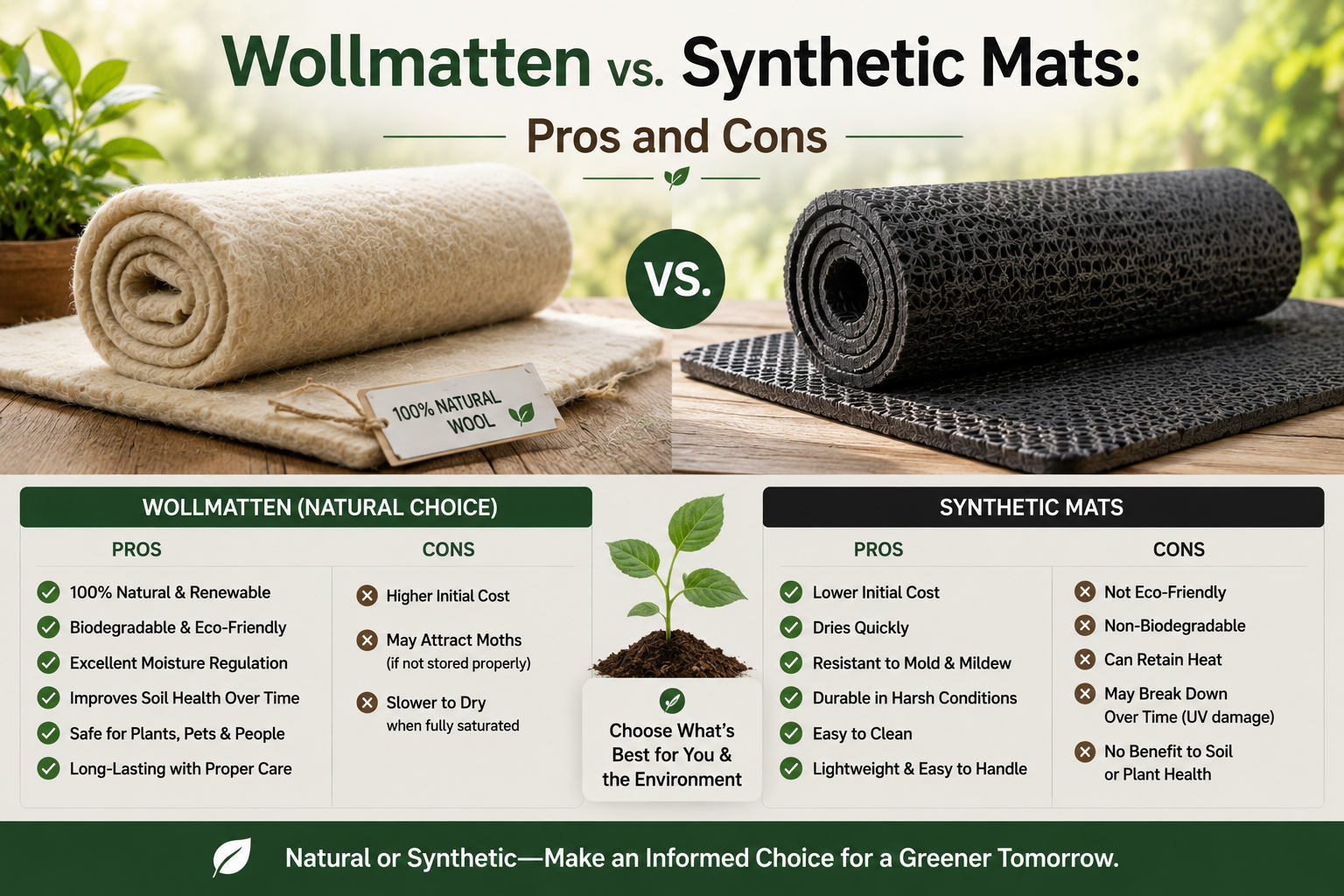
Choosing the right mat for your home is not always easy. There are so many options out there. Two of the most common choices are Wollmatten and synthetic mats. Wollmatten simply means wool mats, made from natural sheep wool. Synthetic mats, on the other hand, are made from man-made materials like nylon or polyester. In this post, we will compare the two. We will look at the pros and cons of each, so you can decide what works best for your home.
What Is Wollmatten?
Wollmatten is made from raw wool. The wool comes from sheep, gets cleaned, and then turned into soft, thick mats. Because it comes straight from nature, it has a unique texture and feel. It is warm, breathable, and long-lasting.
What Are Synthetic Mats?
Synthetic mats are made from man-made fibers. These are often created in factories using chemical processes. They come in many colors and patterns, and they are usually cheaper than natural options like wool. However, they are made from materials that do not break down easily over time.
Key Differences Between Wollmatten and Synthetic Mats
1. Material Source
Wollmatten comes from a natural, renewable source. Sheep grow new wool every year, so it does not run out. Synthetic mats come from man-made fibers, often linked to oil-based products. This is one of the biggest differences between the two.
2. Feel and Comfort
Wool feels soft, warm, and a little bouncy underfoot. Synthetic mats can feel flat or stiff, especially cheaper ones. Many people say wool simply feels more comfortable to walk or sit on.
3. Warmth
Wool naturally traps air, which holds in heat. This makes Wollmatten a warmer option, especially during colder months. Synthetic mats do not hold heat the same way, so they can feel cooler underfoot.
4. Durability
Wool is a strong, natural fiber that can last for many years with proper care. Synthetic mats vary in quality. Cheaper ones tend to wear out fast, while higher-quality synthetic options can last longer, though usually not as long as wool.
5. Environmental Impact
This is where the two differ the most. Wollmatten is biodegradable and comes from a renewable resource. Synthetic mats are usually not biodegradable and can sit in landfills for a very long time after they wear out.
6. Price
Synthetic mats are often cheaper upfront. Wollmatten usually costs more at first, but its long lifespan can make it a better value over time.
7. Maintenance
Wool needs gentle cleaning and occasional care to stay in good shape. Synthetic mats are often easier to clean quickly, especially in homes with heavy spills or messes, since they resist staining differently than wool does.
Pros and Cons of Wollmatten
Pros:
- Naturally warm and soft
- Long-lasting with proper care
- Eco-friendly and biodegradable
- Safe for kids and pets since it lacks harsh chemicals
- Helps trap dust, which may improve indoor air
Cons:
- Costs more upfront
- Needs a bit more care, like avoiding harsh chemical cleaners
- Can hold moisture if used outdoors without care
Pros and Cons of Synthetic Mats
Pros:
- Usually cheaper
- Available in many colors and designs
- Often resistant to some stains
- Dries faster if it gets wet
Cons:
- Not eco-friendly, since it does not break down naturally
- Can feel less comfortable underfoot
- May release small particles over time
- Often wears out faster than wool, especially cheaper versions
Which One Should You Choose?
The right choice depends on what matters most to you.
If you care about comfort, natural materials, and long-term durability, Wollmatten is likely the better fit. It works well in living rooms, bedrooms, and even covered outdoor spaces. It feels warm, safe, and natural.
If your main concern is a lower upfront cost or a wide variety of colors and patterns, a synthetic mat might work better for short-term needs, like a rental home or a space where the mat will be replaced often anyway.
Choosing between materials like this is a small decision that still shapes how a home feels every day, and it's exactly the kind of everyday topic the yourhomify community enjoys discussing together.
Where Each Option Works Best
Wollmatten Works Well In:
- Living rooms, for warmth and comfort
- Bedrooms, for a cozy start to the morning
- Kids' rooms, since it is chemical-free
- Covered patios, for a natural outdoor touch
Synthetic Mats Work Well In:
- Entryways, where dirt and moisture are common
- Rental spaces, where a lower cost matters more
- Areas needing frequent replacement
- Spaces where bold colors or patterns are the main goal
A Simple Way to Decide
Ask yourself a few questions before choosing:
- Do I want a natural material or is cost my main concern?
- Will this mat be used indoors, outdoors, or both?
- Am I looking for something long-term or a quick, low-cost fix?
- Do I have kids or pets who will spend a lot of time on it?
Your answers will likely point you toward the better option for your specific space.
Final Thoughts
Both Wollmatten and synthetic mats have their place. Wool offers warmth, comfort, and a natural feel that lasts for years. Synthetic mats offer a lower price and more color options, but often at the cost of comfort and environmental impact. Understanding these differences helps you make a choice that truly fits your home and your lifestyle.
Frequently Asked Questions
1. Is Wollmatten worth the higher price compared to synthetic mats?
For many people, yes. Its long lifespan and comfort often make up for the higher upfront cost over time.
2. Are synthetic mats bad for the environment?
Generally, yes. Most synthetic mats do not break down naturally and can add to long-term waste after they wear out.
3. Which option is better for allergies, Wollmatten or synthetic mats?
Wollmatten is often better since wool naturally traps dust rather than releasing particles like some synthetic materials can.
4. Can I use synthetic mats outdoors instead of Wollmatten?
Yes, synthetic mats often handle moisture better outdoors, though they may lack the warmth and natural feel of wool.
5. Which is easier to clean, Wollmatten or synthetic mats?
Synthetic mats are usually quicker to clean, while Wollmatten needs gentler care but resists early-stage stains naturally.

 English
 French
 Spanish
 Portuguese
 Deutsch
 Turkish
 Dutch
 Italiano
 Russian
 Romaian
 Portuguese (Brazil)
 Greek