


How Family Members Can Assist With Catheter Care at Home
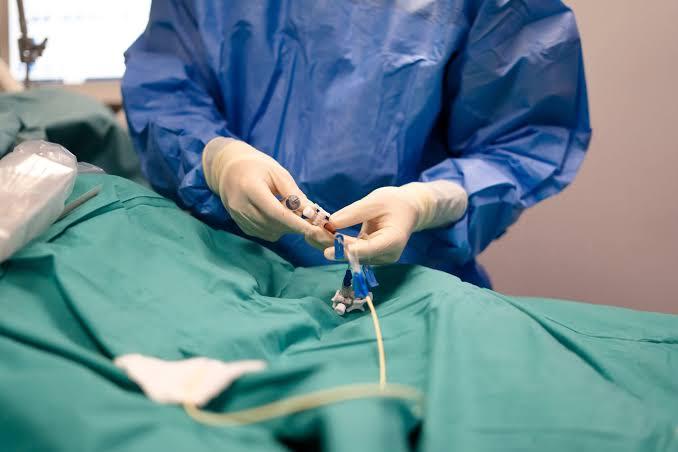
Family members can play an important role in helping loved ones manage urinary catheters safely and comfortably outside a healthcare facility. For families seeking reliable Catheter Care at Home Dubai, learning basic catheter-care principles can make daily routines more organized while supporting the patient's dignity and independence. A Doctor at Home can assess the patient's condition and provide appropriate medical guidance, while trained home healthcare professionals can teach family caregivers how to support routine care within their level of training. Because catheter requirements differ between patients, family members should always follow the specific instructions provided by the patient's healthcare team.
Understand the Patient's Catheter Care Plan:
Before assisting with catheter care, family members should understand why the catheter is being used, what type of catheter the patient has, and what care routine has been recommended. The healthcare team should explain important details such as hygiene, drainage-bag management, catheter positioning, mobility precautions, follow-up appointments, and warning signs. Family caregivers should write down instructions if necessary and keep them in an accessible place. They should also understand which tasks they can safely perform and which procedures require a trained healthcare professional. A clear care plan reduces confusion and helps different family members provide consistent support.
Practice Proper Hand Hygiene:
Hand hygiene is one of the simplest ways family caregivers can support safer catheter care. Hands should be washed thoroughly with soap and clean running water before and after handling the catheter, tubing, or drainage bag. Hands should also be cleaned after contact with urine. If soap and water are unavailable, an appropriate alcohol-based hand sanitizer can be used when hands are not visibly dirty. Caregivers should avoid touching catheter connections unnecessarily and should prepare supplies before beginning care. Professional nurses can demonstrate appropriate hand hygiene techniques when family members need additional instruction.
Help Keep the Catheter Area Clean:
Family members can assist with routine personal hygiene according to the patient's specific healthcare instructions. The skin around the catheter should be handled gently, avoiding vigorous scrubbing or unnecessary movement of the catheter. After cleaning, the surrounding area should be dried appropriately. Caregivers should not apply powders, creams, perfumes, or antiseptic products unless recommended by a healthcare professional. During routine hygiene, family members can observe the skin for changes such as:
- Redness
- Swelling
- Tenderness
- Irritation
- Skin breakdown
- Unusual discharge
- Increasing pain
Persistent or worsening changes should be communicated to the appropriate healthcare professional.
Manage the Drainage Bag Correctly:
Family caregivers can help ensure that the drainage bag remains positioned appropriately. The bag should generally stay below bladder level to support urine drainage and reduce the potential for backflow. It should not be placed directly on the floor. Tubing should remain free from kinks, compression, or excessive tension. When the patient changes position, gets out of bed, or transfers to a chair, caregivers should check that the tubing has not become trapped. They should follow the instructions supplied with the drainage system and avoid unnecessary disconnection.
Empty the Drainage Bag Safely:
Caregivers may be responsible for helping the patient empty the drainage bag according to the healthcare team's instructions. Hands should be washed before and after the task, and the drainage outlet should not touch potentially contaminated surfaces. The bag should be emptied before it becomes excessively full, following the recommended procedure for the particular equipment. Patients who are weak, dizzy, or unsteady should not be expected to empty the bag independently if doing so creates a fall risk. Family members should never improvise methods for cleaning or replacing catheter equipment.
Prevent Kinks and Accidental Pulling:
One of the practical ways family members can help is by checking that catheter tubing does not become trapped beneath the patient, caught in clothing, or compressed by bedding. Before assisting with movement, caregivers should locate the catheter and drainage bag. After repositioning the patient, check the system again. Never use catheter tubing as a handle when helping someone stand or transfer. Patients with limited mobility may need additional assistance to move safely. If the catheter becomes displaced or accidentally comes out, caregivers should contact a healthcare professional rather than attempting reinsertion unless specifically trained and authorized to do so.
Support Safe Mobility:
Patients with catheters can often remain active within the limits established by their healthcare team. Family caregivers can support safe mobility by ensuring that the drainage bag is secured appropriately and that tubing has enough slack before the patient walks or transfers. Moving slowly can reduce the chance of sudden pulling. Caregivers should also pay attention to the patient's balance, particularly after illness or surgery. If the patient experiences dizziness, weakness, severe pain, or another unexpected symptom during movement, the activity should be stopped and appropriate medical advice sought.
Monitor Urine Drainage:
Family members can help by observing whether urine appears to be draining normally into the collection bag. A sudden decrease or absence of urine may result from a kink, compression, blockage, displacement, dehydration, or another medical issue. Caregivers should perform only simple checks that are included in the patient's care instructions. They should not force fluid through the catheter or attempt unfamiliar techniques to clear a suspected blockage. Persistent lack of urine drainage, particularly when accompanied by abdominal discomfort or pain, requires professional assessment.
Watch for Signs of Possible Infection:
Family caregivers should become familiar with symptoms that may indicate infection or another catheter-related complication. These can include:
- Fever or chills
- New or worsening pain
- Lower abdominal discomfort
- Unusual discharge
- Significant blood in the urine
- Increasing redness or swelling
- Unusual weakness
- Significant changes in general wellbeing
Cloudy or strong-smelling urine alone does not necessarily prove an infection. Caregivers should consider the patient's overall symptoms and contact a healthcare professional when concerning changes occur. Antibiotics should never be started using leftover medication or without appropriate medical guidance.
Protect the Patient's Skin:
Patients who spend considerable time in bed or have limited mobility may be more vulnerable to skin irritation and pressure-related problems. Family members can help by following the patient's repositioning plan and checking areas affected by moisture, friction, clothing, tubing, or drainage-bag straps. Keep the skin appropriately clean and dry according to professional instructions. If persistent redness, swelling, tenderness, skin breakdown, or unusual discharge develops, seek professional advice. Avoid applying unapproved products simply because the skin appears irritated.
Maintain Patient Privacy and Dignity:
Catheter care often involves intimate personal tasks, so family members should approach each activity with respect. Close doors or curtains and expose only the area necessary for care. Explain what you are doing before beginning and allow the patient to ask questions. Avoid jokes, criticism, or comments that could make the patient feel embarrassed. Whenever possible, encourage the patient to participate in tasks they can safely perform. Respectful communication can help preserve confidence and strengthen the relationship between the patient and caregiver.
Encourage Independence:
Family assistance should not automatically mean taking over every aspect of catheter care. Patients who are physically and cognitively able may be able to participate in parts of their routine. Depending on their healthcare instructions, they may help with preparing supplies, communicating symptoms, observing the drainage system, or managing certain hygiene tasks. Allowing safe independence can improve confidence and help patients adapt to catheter use. Caregivers should provide assistance when necessary while respecting the patient's preferences and capabilities.
Learn Which Procedures Require Professional Help:
Family members can safely perform certain routine tasks when properly instructed, but catheter management sometimes requires clinical expertise. Caregivers should not independently:
- Reinsert a catheter that has come out
- Replace a catheter without appropriate training
- Force fluid through a blocked catheter
- Change catheter size
- Manipulate the catheter unnecessarily
- Start antibiotics without medical advice
- Remove the catheter without instructions
- Apply unapproved products inside or around the catheter
When a problem cannot be resolved through the patient's established care instructions, contacting a healthcare professional is safer than attempting an unfamiliar procedure.
Keep Catheter Supplies Organized:
A clean and organized supply area can make family caregiving easier. Store necessary supplies according to manufacturer and healthcare-provider instructions and protect them from moisture, excessive heat, household chemicals, and unnecessary handling. Keep frequently used items accessible so caregivers do not have to search for them during routine care. Families should also know which supplies are intended for everyday use and which procedures require professional assistance. Good organization can reduce delays and make catheter care more predictable.
Maintain a Consistent Daily Routine:
A consistent routine helps family members remember important catheter-care tasks while allowing the patient to maintain a sense of normality. Catheter observations can be incorporated into activities such as waking, bathing, meals, repositioning, walking, and bedtime. Caregivers should observe the system without repeatedly touching or adjusting it. If several family members share responsibility, they should communicate about relevant changes so that important symptoms are not missed. The routine should be adjusted when the patient's mobility, health, or catheter requirements change.
Know When Professional Attention Is Needed:
Family members should seek professional medical advice when the catheter stops draining, becomes displaced, causes significant pain, or is associated with substantial bleeding. Fever, chills, unusual discharge, persistent leakage, increasing abdominal discomfort, or a significant change in the patient's overall condition should also be reported. If the patient develops severe or rapidly worsening symptoms, urgent medical evaluation may be necessary. Caregivers should keep healthcare-provider contact information accessible and understand the patient's specific instructions for responding to catheter-related problems.
Consider Professional Home Nursing Support:
Family caregiving can be rewarding, but catheter management may become difficult when patients have complex medical needs or require long-term assistance. Professional home nurses can provide routine catheter support, observe the drainage system, assist with hygiene, monitor the surrounding skin, and educate family members. Professional assistance may be especially useful for elderly patients, people with limited mobility, bedridden individuals, and patients recovering after hospitalization. A nurse can also communicate relevant observations to the patient's healthcare team when further assessment is required.
Attend Recommended Follow-Up Appointments:
Family caregivers should help patients keep scheduled healthcare appointments and follow-up assessments. These visits allow healthcare professionals to determine whether the catheter remains necessary, review recurring problems, and modify the care plan when appropriate. Families should not wait for a scheduled appointment if significant symptoms develop. Maintaining communication between the patient, family, home nurse, and treating healthcare team supports continuity of care and helps ensure that catheter management remains appropriate as the patient's condition changes.
Create a Supportive Caregiving Environment:
Family members can make catheter care easier by creating a calm and supportive atmosphere. Patients may feel frustrated about needing assistance, particularly if catheterization has changed their independence. Caregivers should listen to concerns, offer choices when possible, and avoid making the patient feel like a burden. Sharing responsibilities among family members can also reduce caregiver fatigue. When professional assistance is available, using home nursing services for appropriate tasks can help families maintain healthy relationships while ensuring that patients receive suitable care.
Final Thoughts
Family members can provide valuable support with catheter care at home by maintaining good hygiene, monitoring urine drainage, positioning the drainage bag correctly, preventing accidental pulling, and helping patients remain comfortable and independent. They should also protect privacy and dignity while understanding the limits of their training. Warning signs such as fever, significant pain, substantial bleeding, unusual discharge, persistent lack of drainage, or catheter displacement require appropriate professional attention. For families who need additional support, professional home nursing can provide education and routine assistance. With a clear care plan, consistent communication, and respectful caregiving, families can help make catheter management safer and more comfortable at home.

 English
 French
 Spanish
 Portuguese
 Deutsch
 Turkish
 Dutch
 Italiano
 Russian
 Romaian
 Portuguese (Brazil)
 Greek