


Steps for Handling a Large Vehicle Breakdown Safely
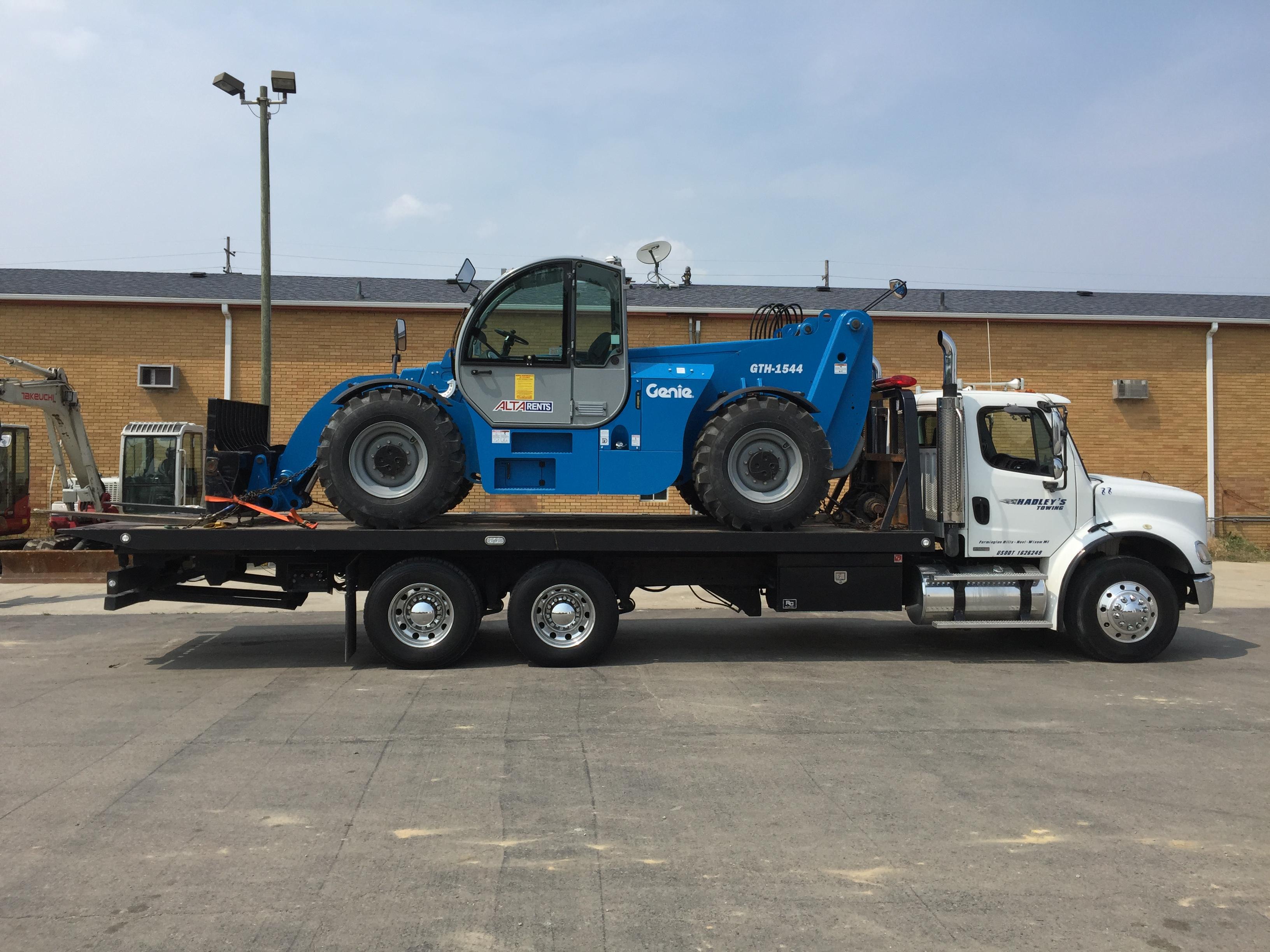
Recognize When Heavy Equipment Is Needed
Large commercial vehicles can develop problems that make normal driving unsafe or impossible. Engine failure, damaged tires, brake problems, collisions, and electrical issues can leave a vehicle stranded in difficult locations. Moving a heavy vehicle requires proper equipment and careful planning. Attempting to pull or push it with unsuitable equipment can cause further damage. Professional assistance provides a safer approach when the vehicle cannot continue under its own power.
Protect Everyone at the Scene
Safety should come before transportation. If the vehicle stops near moving traffic, activate the hazard lights and move to a safer position when possible. Keep unnecessary people away from the vehicle and avoid standing between the disabled vehicle and passing traffic. Nighttime breakdowns require additional caution because visibility can be limited. A safe scene gives the operator enough space to assess the vehicle and prepare the equipment.
Explain the Vehicle Problem
Give clear information when requesting assistance. Describe whether the vehicle has engine trouble, transmission failure, tire damage, brake issues, steering problems, or collision damage. Explain if the wheels are locked or if the vehicle cannot roll. Heavy-Duty Towing Services in Portland OR can be arranged more effectively when the operator knows the vehicle's condition before arriving. Accurate details also help determine what type of equipment may be necessary.
Share Important Vehicle Details
The vehicle's size and weight can affect the towing process. Provide the make, model, approximate weight, and vehicle type whenever possible. If the vehicle is carrying cargo, mention that as well. Loaded equipment may require different handling from an empty vehicle. Complete information helps the towing provider prepare appropriately and reduces the possibility of arriving with unsuitable equipment.
Provide a Precise Location
A large vehicle can be difficult to locate, particularly when it stops along a long roadway or inside a commercial property. Give the exact street, direction of travel, nearby intersection, exit number, or recognizable landmark. If the vehicle sits inside a yard or parking area, explain which entrance provides access. Clear directions can reduce waiting time and help the operator reach the vehicle safely.
Consider Access Before Arrival
Large towing equipment needs enough space to approach and position around the disabled vehicle. Narrow streets, low clearances, parked vehicles, construction areas, and crowded lots can create challenges. Mention any access restrictions when arranging assistance. If the vehicle is inside a warehouse, loading area, or private property, explain the surroundings. This information allows the operator to plan the safest approach.
Discuss Costs Before Agreeing
Ask about the expected charges before the service begins. Costs may depend on vehicle size, distance, location, equipment requirements, recovery difficulty, or storage. Request an explanation of what the quoted amount covers and ask whether additional charges could apply. Clear pricing information can prevent unpleasant surprises and make it easier to manage the situation during an already stressful breakdown.
Secure Important Cargo
Commercial vehicles may carry tools, equipment, materials, or other valuable items. Check whether cargo needs additional attention before transportation begins. Loose items should be secured when possible, while sensitive belongings should be removed if it is safe to do so. If the vehicle cannot be accessed safely, inform the operator about the cargo so proper precautions can be considered during the move.
Document Existing Damage
Photographs can provide a useful record of the vehicle's condition before transportation. Take pictures of visible damage, damaged tires, broken components, or other noticeable issues when it is safe. Capture several angles without placing yourself near traffic or unstable areas. A simple record can make it easier to discuss the vehicle's condition if questions arise after transportation.
Confirm the Destination
Before the vehicle is moved, confirm exactly where it needs to go. The destination may be a repair facility, company property, storage location, or another approved site. Provide the complete address and any access instructions. Towing Services in Portland OR can assist with relocating a disabled vehicle, but confirming the destination beforehand helps avoid confusion and unnecessary delays.
Keep Communication Clear
A breakdown can involve several people, especially when the vehicle belongs to a business. Keep drivers, dispatchers, owners, or other responsible parties informed about the vehicle's location and expected destination. Maintain your phone nearby and respond to requests for additional information. Clear communication can help everyone coordinate the recovery without repeated calls or misunderstandings.
Prepare for Future Problems
Regular vehicle inspections can reduce the chance of unexpected failures. Check tires, fluid levels, battery condition, brakes, lights, and other important components according to the vehicle's maintenance requirements. Keep emergency contact information available and make sure drivers know what steps to take during a breakdown. Preparation cannot prevent every mechanical problem, but it can make unexpected situations easier to handle.
Keep Recovery Focused on Safety
A disabled heavy vehicle can create serious risks when handled without suitable equipment or planning. The safest approach is to provide accurate information, protect people at the scene, explain the vehicle's condition, and confirm the recovery details before work begins. Careful preparation helps reduce confusion and supports a smoother transportation process from the initial breakdown through final delivery.

 English
 Arabic
 French
 Spanish
 Portuguese
 Deutsch
 Turkish
 Italiano
 Russian
 Romaian
 Portuguese (Brazil)
 Greek