


Animal Health Market Growth, Trends & Outlook 2035
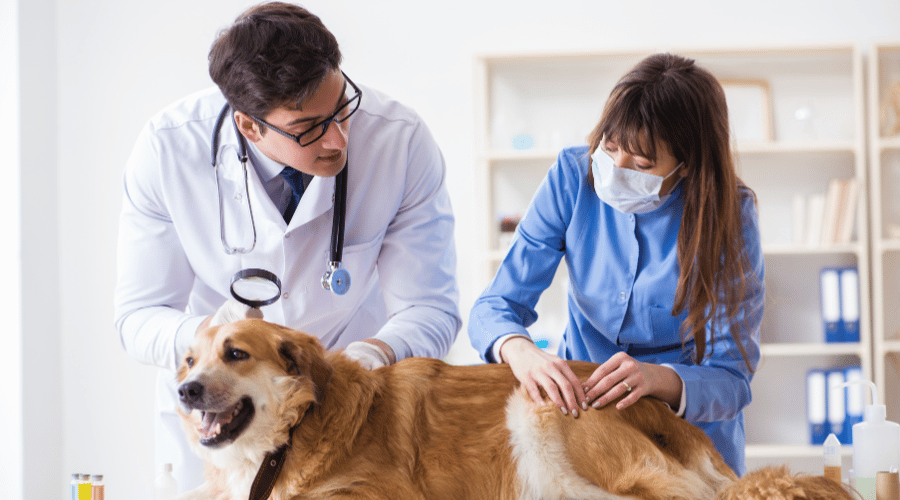
Animal health has become increasingly important to food security, public health, livestock productivity, and the growing human-animal bond. The market covers the medicines, vaccines, diagnostics, feed additives, preventive-care products, and clinical services used to maintain animal health across commercial livestock and companion animals.
According to the market figures provided for this analysis, the global animal health market reached approximately USD 63.03 billion in 2025. It is expected to expand at a 6.40% CAGR between 2026 and 2035, reaching around USD 117.21 billion by 2035.
The market is being shaped by several forces at once. Rising demand for animal protein is increasing the need for effective livestock disease prevention and productivity management, while pet ownership and spending on veterinary care are supporting the companion-animal segment. At the same time, concerns around zoonotic disease, antimicrobial resistance, animal welfare, and food safety are encouraging greater emphasis on prevention, surveillance, and diagnostics.
The result is a market that extends well beyond conventional veterinary medicines. Pharmaceutical companies, vaccine manufacturers, diagnostic providers, feed specialists, veterinary hospitals, laboratories, and technology companies increasingly contribute to an integrated animal-health ecosystem.
Animal Health Is Becoming a More Preventive and Data-Driven Industry
The animal health market encompasses products and services designed to prevent, diagnose, manage, and treat disease while supporting animal welfare and productivity. Its role is particularly significant because healthier animals contribute to more resilient food systems and can reduce the risk of disease transmission.
For commercial animals, effective health management can have a direct economic impact. Disease outbreaks can reduce growth rates, reproductive performance, milk or egg production, and overall herd or flock productivity. Preventive vaccination, biosecurity, nutrition management, diagnostics, and timely treatment can therefore be viewed not simply as veterinary expenses but as investments in production efficiency.
For companion animals, the economics are different. Dogs and cats increasingly receive preventive examinations, vaccinations, parasite control, dental care, diagnostics, and long-term treatment for chronic conditions. Veterinary medicine is consequently becoming more sophisticated as owners seek longer and healthier lives for their pets.
The broader significance of animal health is reflected in the One Health approach, which recognizes the connections between human, animal, and environmental health. The World Organisation for Animal Health (WOAH) emphasizes that infectious diseases can move between animal populations, people, and ecosystems, making animal disease prevention an important component of global health preparedness.
This interconnectedness has become particularly relevant as animal diseases spread into new geographic areas. WOAH's 2025 global animal-health report found that 47% of the animal diseases identified as reaching new areas had zoonotic potential, underscoring why surveillance and prevention are important beyond the veterinary sector.
Vaccines, Pharmaceuticals and Diagnostics Drive Market Development
Vaccines remain one of the most important preventive tools in animal health, while pharmaceuticals treat established conditions and diagnostics increasingly enable earlier, more targeted intervention. Feed additives and other products complement these approaches by supporting animal nutrition, gut health, and production performance.
The market's product structure includes vaccines, pharmaceuticals, feed additives, diagnostics, and other animal-health products. Each category serves a different point in the animal-health management cycle.
Vaccination is particularly important in intensive livestock production, where diseases can spread rapidly through large populations. Poultry, swine, cattle, sheep, and goats can all require disease-specific vaccination programs depending on geography, production systems, and local disease risks.
WOAH's 2025 report highlighted vaccination as an important tool against diseases including African swine fever, avian influenza, foot-and-mouth disease, rabies, lumpy skin disease, and several other high-priority animal-health challenges.
The development of combination and next-generation vaccines is also helping address practical challenges on farms. Reducing the number of handling events or simplifying vaccination schedules can make preventive programs easier to implement, particularly in large commercial operations.
Pharmaceuticals remain essential when animals develop bacterial, parasitic, inflammatory, metabolic, or other conditions requiring treatment. However, responsible use has become increasingly important because antimicrobial resistance can affect both veterinary and human medicine.
Diagnostics are gaining importance alongside these products. Modern veterinary laboratories can use molecular testing, immunoassays, pathology, microbiology, and other techniques to identify pathogens and inform treatment decisions. Earlier diagnosis can reduce unnecessary treatment and help producers or veterinarians respond more quickly to outbreaks.
This is gradually shifting the industry from a reactive model—treating animals after illness occurs—to a more preventive model built around vaccination, monitoring, diagnostics, nutrition, and biosecurity.
Commercial Livestock and Companion Animals Create Two Distinct Demand Engines
The animal health market serves both commercial animals and companion animals, but the purchasing drivers and healthcare requirements of these segments differ considerably.
Commercial animals include poultry, swine, cattle, sheep, goats, and other production species. Demand is closely connected to livestock populations, meat and dairy consumption, disease prevalence, farm economics, and the need to maintain productivity.
Poultry health is particularly sensitive to disease outbreaks because birds are often raised in high-density environments. Preventing infectious diseases can protect flock performance and reduce potentially substantial economic losses. Similar considerations apply to swine production, where infectious disease can spread rapidly across farms and supply chains.
Cattle health encompasses dairy and beef production, with priorities ranging from reproductive health and metabolic disorders to mastitis, respiratory disease, parasites, and vaccination. Sheep and goats have their own disease and management requirements, particularly in regions where small-ruminant production is an important source of food and household income.
The companion-animal market follows a different trajectory. Dogs and cats are increasingly treated as long-term family members, encouraging demand for preventive medicine and advanced veterinary care. Routine vaccination, parasite control, diagnostic screening, surgery, dental services, and management of chronic diseases all contribute to spending.
The distinction between the two segments is important for companies developing products. A vaccine designed for large-scale poultry production may need to prioritize ease of administration and cost efficiency, while a companion-animal therapy may be evaluated more heavily on convenience, safety, duration of action, and quality-of-life considerations.
Veterinary Clinics and Diagnostics Are Expanding the Healthcare Ecosystem
Veterinary hospitals, clinics, diagnostic centers, and animal-care facilities provide the infrastructure through which many animal-health products reach animals. Their role is expanding as veterinary medicine becomes more specialized and diagnostic capabilities improve.
The end-use structure includes veterinary hospitals and clinics, animal care and rehabilitation centers, diagnostics centers, and other facilities. These channels connect manufacturers with veterinarians, animal owners, livestock producers, and other customers.
Veterinary clinics remain central to companion-animal healthcare. A routine consultation can lead to vaccination, laboratory testing, imaging, surgery, prescription medication, or ongoing treatment. As veterinary medicine becomes more specialized, referral hospitals and specialty practices are also creating demand for advanced diagnostics and therapeutic products.
Diagnostic centers have a different but increasingly strategic role. They provide testing that can help veterinarians distinguish between diseases with similar symptoms, identify pathogens, assess treatment response, and monitor population health.
For livestock producers, diagnostic services can support herd or flock surveillance. Instead of waiting for visible symptoms to become widespread, producers can use testing and monitoring programs to identify potential health problems earlier.
This trend also creates opportunities for companies that combine diagnostics with digital platforms. Laboratory results, animal records, vaccination histories, and production information can increasingly be integrated into software systems, helping veterinarians and producers make more informed decisions.
In practice, the value of diagnostics is not limited to the test itself. A timely and accurate result can influence whether an animal receives antibiotics, whether a herd requires additional surveillance, or whether a producer needs to implement isolation and biosecurity measures.
Antimicrobial Resistance Is Reshaping Treatment Strategies
Antimicrobial resistance is one of the most important long-term issues influencing animal health. The industry is under increasing pressure to preserve antimicrobial effectiveness while expanding prevention, diagnostics, responsible prescribing, and alternative approaches.
Antimicrobials remain important for treating bacterial infections in animals, but inappropriate or excessive use can contribute to the emergence of resistant microorganisms. The U.S. Food and Drug Administration notes that antimicrobial use in animals can contribute to resistance that has implications for people as well as animals.
This is changing how animal-health companies and veterinary professionals approach disease management. Prevention through vaccination, improved husbandry, biosecurity, nutrition, and surveillance can reduce the likelihood that animals will require antimicrobial treatment.
WOAH reported that overall antimicrobial use in animals declined by 5% between 2020 and 2022 across the animal biomass covered by its reporting system. The organization nevertheless emphasizes that continued improvements in monitoring and responsible use are necessary.
The regulatory environment is also becoming more sophisticated. In August 2026, the FDA finalized updated guidance for assessing antimicrobial animal drugs according to their importance in human medicine and their potential microbiological effects on bacteria of human health concern.
These developments create opportunities for vaccines, diagnostics, immunological approaches, probiotics, nutritional interventions, and other alternatives that can reduce dependence on antibiotics.
WOAH has specifically prioritized identifying animal diseases for which vaccines could achieve meaningful reductions in antimicrobial use, reflecting the growing strategic relationship between preventive vaccination and antimicrobial stewardship.
For the industry, this means innovation will increasingly be judged not only by whether a product treats disease effectively but also by whether it contributes to more sustainable and responsible animal-health management.
Regional Markets Reflect Different Disease Risks and Veterinary Systems
North America, Europe, Asia Pacific, Latin America, and the Middle East and Africa all present significant opportunities, but regional market conditions vary according to livestock production, pet ownership, veterinary infrastructure, regulation, and disease prevalence.
North America represents a mature animal-health market supported by established veterinary infrastructure, advanced diagnostic capabilities, large commercial livestock industries, and substantial companion-animal spending. The region is also influential in the development of veterinary pharmaceuticals, vaccines, diagnostics, and animal-health technologies.
The United States has a particularly developed regulatory and surveillance environment. Its approach to antimicrobial stewardship demonstrates how animal-health policy increasingly incorporates considerations of human health and food safety.
Europe combines a significant livestock sector with strong emphasis on animal welfare, food safety, disease control, and responsible antimicrobial use. Regulatory expectations can influence product development, manufacturing, veterinary prescribing, and farm-management practices.
The region is also active in One Health initiatives, where animal health is considered alongside human and environmental health. This creates demand for integrated surveillance and disease-prevention strategies rather than isolated treatment solutions.
Asia Pacific offers substantial long-term growth potential because of its large livestock populations, expanding food demand, urbanization, and increasing investment in veterinary infrastructure. China, India, Japan, South Korea, and Southeast Asian countries have very different market structures, but collectively they represent a major part of global animal production.
Emerging economies in Asia also face the challenge of improving access to veterinary services and vaccines while managing infectious diseases across diverse production systems. WOAH has noted that access to livestock vaccines remains uneven globally, with funding and political constraints affecting some disease-control and eradication programs.
Latin America benefits from its large livestock and poultry industries, making herd health, vaccination, diagnostics, and biosecurity particularly relevant to agricultural exports and domestic food production.
Meanwhile, the Middle East and Africa offer opportunities linked to livestock development, veterinary infrastructure, disease surveillance, and food security. Market expansion in these regions will depend partly on improving access to diagnostics, veterinary medicines, cold-chain infrastructure, trained professionals, and preventive-health programs.
Leading Companies Are Broadening Their Animal Health Portfolios
Competition in animal health includes large pharmaceutical companies, specialized veterinary manufacturers, diagnostics providers, vaccine developers, and regional businesses. The competitive landscape increasingly emphasizes research, product breadth, diagnostics, preventive care, and specialized veterinary services.
The companies covered in the supplied market scope include Elanco Animal Health, Merck Animal Health, Zoetis, Biogenesis Bago, Boehringer Ingelheim, Ceva Santé Animale, Heska, IDEXX Laboratories, Virbac, and Vetoquinol, among others.
Zoetis has a broad portfolio spanning medicines, vaccines, diagnostics, and other animal-health products for livestock and companion animals. Its scale illustrates the industry's movement toward integrated animal-health platforms rather than reliance on a narrow product category.
Elanco Animal Health operates across companion-animal and farm-animal health, with products covering areas such as parasitic disease, infectious disease, pain management, and other veterinary needs. Merck Animal Health similarly maintains a broad portfolio across livestock and companion animals, including vaccines, pharmaceuticals, and animal-health technologies.
Boehringer Ingelheim Animal Health is another major participant, with significant activity in vaccines, parasiticides, pharmaceuticals, and preventive health. Ceva Santé Animale has particular exposure to veterinary pharmaceuticals and vaccines.
The diagnostics side of the industry is represented strongly by companies such as IDEXX Laboratories and Heska, whose businesses illustrate the growing importance of laboratory and point-of-care testing in veterinary medicine.
Virbac and Vetoquinol add further competition across pharmaceuticals, preventive care, and companion-animal health.
The competitive landscape is therefore becoming more interconnected. A company may compete on the effectiveness of an individual drug or vaccine, but differentiation can also come from diagnostics, digital tools, distribution, veterinary relationships, manufacturing capabilities, and the ability to provide integrated disease-management solutions.
Innovation Is Moving Toward Precision, Prevention and Better Animal Welfare
The next phase of animal-health development is likely to focus increasingly on earlier diagnosis, targeted treatment, advanced vaccines, digital monitoring, and solutions that improve both productivity and welfare.
Precision livestock management is one example. Sensors and connected monitoring systems can track behavior, feeding, movement, temperature, milk production, or other indicators that may change when an animal becomes unwell. Earlier detection can allow producers or veterinarians to intervene before a problem becomes widespread.
In companion animals, digital records, wearable devices, imaging, laboratory diagnostics, and remote communication tools can support ongoing monitoring. These technologies do not replace veterinary judgment, but they can provide additional information between clinical visits.
Vaccine technology is another major innovation area. WOAH's recent work on vaccines that could reduce antimicrobial use demonstrates the strategic importance of developing products that prevent diseases before treatment becomes necessary.
Animal welfare is also becoming more closely connected with market development. Consumers, food companies, regulators, and producers increasingly pay attention to conditions under which animals are raised and treated. Healthier animals generally require fewer interventions and can perform better, creating an alignment between welfare objectives and economic efficiency.
The industry is consequently moving toward a model in which disease prevention, diagnostics, nutrition, welfare, and treatment operate together rather than as separate categories.
The Future of the Animal Health Market Will Center on Prevention and One Health
The animal health market is entering a period in which prevention, diagnostics, responsible medicine use, and integrated disease management are becoming as important as conventional treatment. Growth will be supported by livestock production, companion-animal care, veterinary specialization, and increasing recognition of the links between animal and human health.
Based on the market figures provided for this analysis, the global industry is projected to increase from USD 63.03 billion in 2025 to approximately USD 117.21 billion by 2035, representing a 6.40% CAGR from 2026 to 2035.
The strongest opportunities are likely to emerge where companies can solve practical healthcare problems. Farmers need effective and economical ways to prevent disease across large animal populations. Veterinarians need reliable diagnostics and treatments. Pet owners increasingly expect sophisticated healthcare for companion animals. Governments need stronger surveillance and disease-control capabilities.
At the same time, antimicrobial resistance, emerging diseases, uneven access to veterinary care, regulatory requirements, and the cost of advanced technologies will remain important challenges.
The industry's long-term direction is therefore broader than simply developing more veterinary medicines. It is moving toward preventive, evidence-based, data-supported animal health, with vaccines, diagnostics, pharmaceuticals, nutrition, biosecurity, and digital monitoring working together.
From commercial poultry farms and dairy operations to veterinary hospitals and companion-animal households, animal health is becoming an increasingly important component of resilient food systems and global health. As the One Health approach gains greater importance, investment in animal disease prevention and surveillance will have implications that extend well beyond the veterinary market itself.

 Arabic
 French
 Spanish
 Portuguese
 Deutsch
 Turkish
 Dutch
 Italiano
 Russian
 Romaian
 Portuguese (Brazil)
 Greek