


Don’t Ignore These Early Signs of Male Pattern Baldness
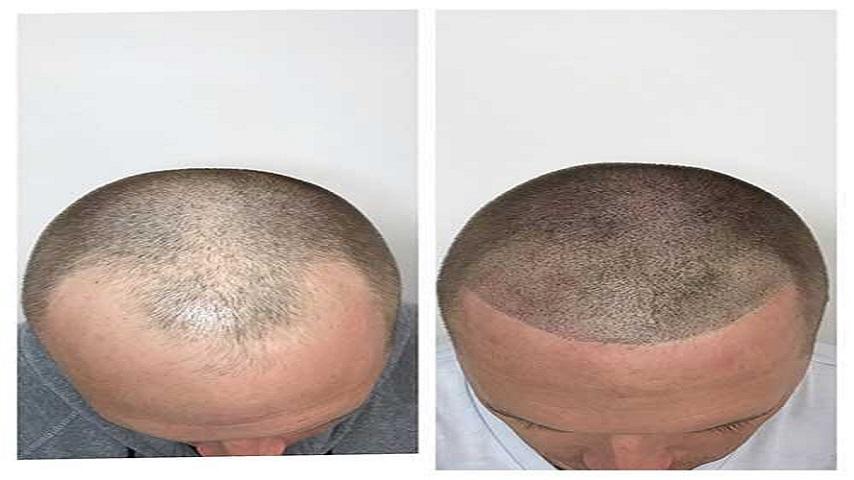
Hair loss doesn't happen overnight. For many men, it starts with subtle changes that are easy to overlook. A slightly receding hairline, more hair left on the pillow, or a thinning patch on the crown may not seem alarming at first. However, these early signs could indicate the beginning of male pattern baldness, a common condition that affects millions of men worldwide.
Recognizing the symptoms early can make a significant difference in preserving existing hair and slowing further hair loss. Understanding what to look for is the first step toward taking control of your hair health.
What Is Male Pattern Baldness?
Male pattern baldness, also known as androgenetic alopecia, is a hereditary condition influenced by genetics and hormones. It occurs when hair follicles gradually shrink due to sensitivity to a hormone called dihydrotestosterone (DHT). As follicles become smaller, the hair grows thinner, weaker, and eventually stops growing altogether.
Although it is more common after the age of 30, many men begin experiencing signs of hair thinning in their early twenties.
Early Signs You Should Never Ignore
1. Receding Hairline
One of the earliest and most noticeable signs is a hairline that slowly moves backward, especially around the temples. This often creates an "M"-shaped appearance. Many men mistake it for a naturally maturing hairline, but continuous recession may indicate male pattern baldness.
2. Thinning at the Crown
Hair loss at the top or crown of the scalp is another common warning sign. The affected area may become more visible under bright light, and hairstyles may no longer provide the same coverage.
3. Increased Hair Shedding
Losing some hair daily is normal, but consistently finding excessive hair on your pillow, in the shower drain, or while combing your hair may suggest that hair follicles are weakening.
4. Reduced Hair Density
Your hair may start feeling less thick than before. The scalp becomes increasingly visible, particularly when the hair is wet or styled differently. This gradual decrease in density often develops over several months.
5. Finer and Weaker Hair Strands
Healthy, thick hair may slowly be replaced by finer, softer strands. This process, called miniaturization, is a hallmark of male pattern baldness and often occurs before noticeable bald spots appear.
6. Slower Hair Growth
Hair that once grew quickly may begin growing more slowly. New hair appears thinner and shorter because weakened follicles struggle to produce healthy strands.
7. Family History of Hair Loss
If your father, grandfather, or close male relatives experienced early hair loss, your chances of developing male pattern baldness are significantly higher. Genetics remain one of the strongest risk factors.
Why Early Diagnosis Matters
Many people wait until significant hair loss has occurred before seeking professional help. Unfortunately, once hair follicles become inactive for an extended period, restoring natural growth becomes much more challenging.
Early diagnosis allows specialists to evaluate the condition, identify the stage of hair loss, and recommend appropriate treatment options before permanent follicle damage occurs.
Factors That May Speed Up Hair Loss
While genetics play the biggest role, several lifestyle factors may accelerate hair thinning:
· High stress levels
· Poor nutrition
· Smoking
· Lack of quality sleep
· Hormonal imbalance
· Scalp infections
· Excessive chemical or heat treatments
Managing these factors can help maintain healthier hair and improve the effectiveness of professional treatments.
How to Protect Your Hair
If you notice early symptoms, taking action promptly can help preserve your existing hair.
Some helpful practices include:
· Maintain a balanced, protein-rich diet.
· Keep your scalp clean and healthy.
· Avoid harsh styling products and excessive heat.
· Manage daily stress through regular exercise and adequate sleep.
· Consult a qualified hair specialist for an accurate diagnosis.
· Follow a personalized treatment plan without delaying care.
Professional Treatments Can Help
Modern hair restoration techniques offer effective solutions for managing male pattern baldness, especially when treatment begins early. Depending on the stage of hair loss, specialists may recommend therapies such as PRP treatment, Low-Level Laser Therapy (LLLT), prescription medications, scalp treatments, or advanced hair transplant procedures for suitable candidates.
The right treatment plan depends on your scalp condition, hair density, age, and overall health.
Conclusion
Male pattern baldness usually develops gradually, making it easy to ignore the early warning signs. A receding hairline, thinning crown, increased shedding, and reduced hair density should never be dismissed as normal aging. Seeking professional evaluation at the first signs of hair loss can greatly improve your chances of maintaining healthy hair.
At Hairensure Trichology Clinic, experienced hair specialists provide comprehensive scalp analysis and personalized treatment plans designed to address male pattern baldness at every stage. Early intervention can help preserve your confidence—and your hair—for years to come.
Hair Loss Alert: Don’t Ignore the Early Signs of Male Pattern Baldness
Hair Fall Due to Alopecia: Signs, Causes, and Proper Hair Care

 English
 Arabic
 French
 Spanish
 Portuguese
 Deutsch
 Dutch
 Italiano
 Russian
 Romaian
 Portuguese (Brazil)
 Greek