


Best Cat Food Choices For Healthy And Happy Felines
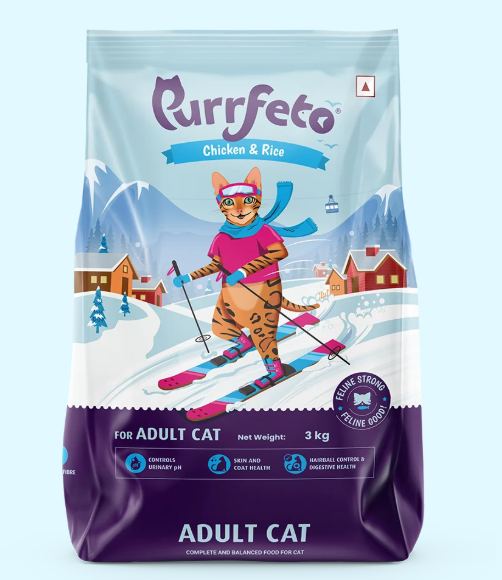
Choosing suitable nutrition is one of the most important responsibilities of caring for a cat. A well-planned diet can support healthy muscles, digestion, energy, skin, coat, and normal body function throughout a cat's life. For pet owners comparing different options, best cat food should be selected according to the cat's age, nutritional requirements, activity level, body condition, and individual eating preferences.
The right food is not simply the one a cat enjoys eating. It should also provide appropriate nutrients in suitable amounts. Understanding the basic principles of feline nutrition can help owners make more informed feeding decisions.
Why Good Nutrition Matters For Cats
Cats need balanced nutrition to maintain their bodies and remain active. Their dietary requirements differ from those of humans and can also change as they move from kittenhood to adulthood and later life.
A suitable diet can help support:
- Healthy muscle maintenance
- Normal energy levels
- Healthy skin and coat
- Comfortable digestion
- Healthy body weight
- Normal immune function
- Everyday physical activity
Consistent nutrition is particularly important because cats often follow established eating routines.
What Makes Cat Food A Good Choice?
There is no single food that is ideal for every cat. A suitable product should match the individual animal's nutritional and lifestyle requirements.
Several factors deserve attention when selecting cat food.
Appropriate Protein
Protein plays an important role in maintaining muscles and supporting normal body functions. Cats naturally require a diet containing appropriate animal-based protein.
Balanced Fats
Dietary fats provide concentrated energy and contribute to normal skin and coat health. The amount should remain appropriate for the cat's overall dietary needs.
Essential Vitamins And Minerals
Vitamins and minerals support numerous normal body processes, including bone health, metabolism, and immune function.
Suitable Digestibility
Food should be easy for the cat to digest and provide nutrients efficiently. Individual tolerance can vary, so owners should observe how their cat responds to a particular diet.
Choosing Food According To Your Cat's Age
Age is one of the first factors to consider when selecting food.
Kitten Nutrition
Kittens are growing rapidly and require food formulated to support development. Their nutritional needs differ from those of mature cats.
A kitten's diet should provide appropriate nutrients for developing muscles, bones, organs, and other body tissues.
Adult Cat Nutrition
Adult cats generally need food that supports healthy body condition and normal daily activity. Portion control becomes especially important because unnecessary excess food can contribute to weight gain.
Senior Cat Nutrition
Older cats may experience changes in activity, digestion, appetite, and body condition. Their dietary requirements should therefore be considered individually, with veterinary guidance when necessary.
Dry Cat Food And Its Advantages
Dry food is widely used because it is convenient to measure, store, and serve. It can fit easily into a regular feeding schedule when it is nutritionally appropriate for the cat.
Some practical advantages include:
- Easy portion measurement
- Convenient storage
- Simple serving
- Suitable for regular feeding routines
- Reduced handling compared with some wet foods
However, cats eating dry food should always have access to clean, fresh drinking water.
Wet Cat Food And Dietary Variety
Wet food provides a different texture and can add variety to a cat's meals. Many cats enjoy soft foods with gravy or other moist preparations.
Wet food can also contribute water through the meal itself. The appropriate combination of wet and dry food depends on the individual cat, its nutritional requirements, and its feeding routine.
Understanding Your Cat's Nutritional Needs
Every cat is different. Two cats of the same age may have different requirements because of differences in body size, activity, lifestyle, and general condition.
Before choosing food, consider:
- Age
- Body weight
- Activity level
- Indoor or outdoor lifestyle
- Existing feeding routine
- Food preferences
- Body condition
- Individual tolerance
These factors provide a more useful basis for food selection than flavour alone.
The Importance Of Portion Control
Even nutritious food should be served in appropriate quantities.
Overfeeding can gradually lead to excessive weight, while insufficient food may prevent a cat from receiving the nutrients and energy it needs.
Owners should follow the feeding guidance provided with the selected product and adjust portions according to the cat's condition and professional veterinary advice when appropriate.
Treats should also be included within the cat's overall daily intake.
Maintaining A Consistent Feeding Schedule
Cats often respond well to predictable routines. Feeding at regular times can make it easier to monitor appetite and identify unusual changes.
A consistent routine may include:
- Serving measured portions
- Maintaining regular meal times
- Keeping feeding bowls clean
- Providing fresh water
- Monitoring food consumption
- Observing changes in body condition
Consistency can also help owners notice when a cat suddenly eats less or more than usual.
Introducing A New Food Carefully
Cats can be sensitive to sudden changes in their diet. Replacing their existing food immediately may sometimes result in digestive discomfort or food refusal.
A gradual transition is generally preferable. Begin by mixing a small amount of the new food with the existing food and increase the proportion of the new food over several days.
The exact transition period can vary according to the cat and the foods involved.
Signs Of A Healthy Feeding Routine
A cat receiving suitable nutrition and appropriate care may show several positive signs.
These can include:
- Stable body weight
- Healthy appetite
- Normal activity
- Healthy-looking coat
- Comfortable digestion
- Good muscle condition
- Normal daily behaviour
These observations can provide useful information, but they do not replace regular veterinary examinations.
Common Cat Feeding Mistakes To Avoid
Even when owners choose quality food, certain habits can affect a cat's overall nutrition.
Common mistakes include:
- Giving excessive portions
- Providing too many treats
- Changing food suddenly
- Ignoring feeding instructions
- Allowing food to become stale
- Providing insufficient fresh water
- Failing to monitor body weight
- Choosing food without considering the cat's age
Small changes in feeding habits can make a meaningful difference over time.
Keeping Cat Food Fresh
Proper storage helps preserve food quality.
Dry food should generally be kept in a cool, dry, clean location and protected from moisture. The package should be properly closed after serving.
Wet food requires appropriate handling after opening. Owners should follow the storage instructions supplied with the product and avoid leaving moist food available for unnecessarily long periods.
Clean bowls are also important for maintaining good feeding hygiene.
Water Is An Essential Part Of Cat Care
Fresh drinking water should always be available.
Cats may have individual preferences regarding the location and type of water bowl. Keeping water clean and changing it regularly encourages better drinking habits.
Owners should pay attention to significant changes in drinking behaviour because unusual increases or decreases may require professional evaluation.
How To Choose Cat Food Online
Buying food online can make product research easier, but convenience should not replace careful selection.
Before ordering, review:
- Intended age group
- Nutritional information
- Ingredients
- Feeding instructions
- Pack size
- Food type
- Your cat's current diet
- Storage requirements
It is also sensible to avoid buying a large quantity of an unfamiliar food until you know that your cat accepts it comfortably.
Why Product Information Matters
A product name or attractive packaging does not provide enough information to determine whether food is appropriate.
Responsible selection involves reading the available nutritional and feeding information. Owners should consider the complete dietary profile rather than focusing on one ingredient or one nutritional figure.
If a cat has a specific dietary requirement or health concern, professional veterinary advice should guide food selection.
Supporting Healthy Weight
Maintaining an appropriate body weight is an important part of feline care.
Owners can help by measuring meals, limiting unnecessary treats, encouraging appropriate activity, and monitoring changes in body condition.
Regular play can also provide physical activity and mental stimulation, particularly for cats that spend most of their time indoors.
If a cat gains or loses weight unexpectedly, veterinary advice should be sought.
When Changes In Appetite Need Attention
A cat's appetite can change for many reasons. A temporary reduction may occur because of stress, environmental changes, food preferences, or other factors.
However, persistent food refusal should not simply be treated as a preference issue.
If reduced appetite occurs with vomiting, diarrhoea, unusual tiredness, pain, weight loss, difficulty eating, or other concerning signs, professional veterinary assessment is appropriate.
Creating A Long-Term Feeding Plan
Good nutrition is most effective when it becomes part of a consistent care routine.
A practical feeding plan should include:
- Appropriate food for the cat's life stage
- Measured portions
- Regular meals
- Fresh drinking water
- Appropriate treats
- Regular activity
- Weight monitoring
- Routine veterinary care
This approach allows owners to support their cat's nutritional needs while remaining alert to changes that may require attention.
How Food Preferences Can Affect Feeding
Cats can develop strong preferences for certain flavours, textures, and food temperatures. While preferences matter, they should be balanced with nutritional requirements.
If a cat refuses a particular food, introducing alternatives gradually can be more effective than repeatedly changing diets.
Owners should also avoid rewarding every refusal with treats or table food, as this may make consistent feeding more difficult.
Responsible Cat Care Goes Beyond Food
Nutrition is only one part of a cat's overall well-being.
Cats also benefit from:
- Regular physical activity
- Safe surroundings
- Comfortable resting areas
- Mental stimulation
- Clean feeding equipment
- Fresh water
- Grooming when required
- Regular veterinary examinations
Combining these habits with suitable nutrition provides a stronger foundation for long-term health.
Conclusion
Selecting the best cat food requires more than choosing a popular flavour or attractive package. The right choice should reflect a cat's age, body condition, activity level, nutritional requirements, and individual preferences.
Responsible feeding also involves measuring portions, maintaining a consistent routine, providing fresh water, introducing dietary changes gradually, storing food correctly, and monitoring appetite and body condition.
For owners looking for dry cat food good for cats, choosing an adult formula appropriate for the cat's life stage can provide a convenient part of a balanced daily feeding routine. A suitable diet, combined with regular activity and attentive care, can help cats maintain healthy habits throughout their lives.
Frequently Asked Questions
What should I consider when choosing the best cat food?
Consider your cat's age, body condition, activity level, nutritional requirements, food preferences, ingredients, and feeding guidance.
Is dry cat food suitable for cats?
Yes, an appropriately formulated dry food can be part of a cat's daily diet. Fresh drinking water should always be available.
Is wet food necessary for every cat?
Not necessarily. Wet food can provide moisture and dietary variety, but the appropriate feeding approach depends on the individual cat and its nutritional needs.
How often should cats be fed?
Feeding frequency depends on the cat's age, health, food type, and individual routine. Portions should be controlled according to appropriate feeding guidance.
How can I prevent my cat from becoming overweight?
Measure food portions, limit excessive treats, encourage regular activity, and monitor body weight and body condition.
Can I change my cat's food suddenly?
A gradual transition is generally preferable because sudden changes may cause digestive upset or food refusal in some cats.
Why is protein important in cat food?
Protein supports the maintenance of muscles and other body tissues and is an important part of feline nutrition.
Should cats have fresh water every day?
Yes. Clean, fresh drinking water should be available throughout the day.
What should I do if my cat stops eating?
Monitor the situation closely. If food refusal persists or occurs with other concerning signs such as vomiting, diarrhoea, lethargy, pain, or weight loss, consult a veterinarian.
Is one type of cat food suitable for every cat?
No. Cats have different nutritional requirements based on factors such as age, activity, body condition, and individual circumstances.

 English
 Arabic
 French
 Spanish
 Portuguese
 Deutsch
 Turkish
 Dutch
 Italiano
 Russian
 Romaian
 Greek