


Protect Your Smile: Choosing the Right Night Guards for Teeth Grinding
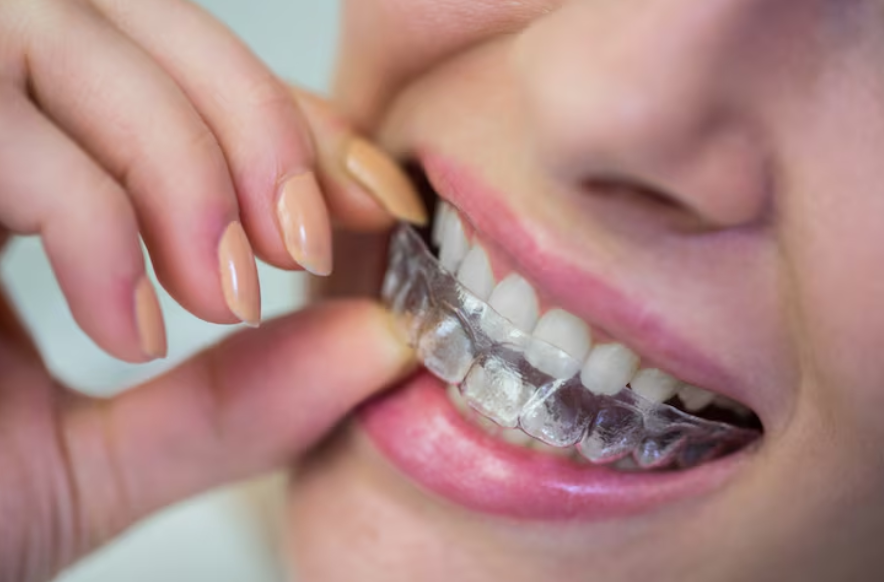
Teeth grinding, also known as bruxism, is a common habit that can happen during sleep without a person realizing it. Over time, repeated grinding and clenching can place significant pressure on the teeth, jaw muscles, and surrounding tissues. This may lead to worn enamel, tooth sensitivity, jaw discomfort, headaches, and other dental concerns. One practical way to help protect the teeth at night is by using night guards designed to create a protective barrier between the upper and lower teeth.
Choosing the right dental appliance can make a meaningful difference in comfort and protection. With many options available, understanding how night guards work, what types exist, and what features to consider can help people make a more informed decision. For anyone looking for the best night guards for teeth grinding, comfort, fit, durability, and individual needs should all be considered before making a choice.
Understanding Night Guards
Night guards are protective oral appliances worn while sleeping. They are generally designed to reduce direct contact between the upper and lower teeth when a person clenches or grinds. By creating a cushioning layer, a night guard can help minimize some of the mechanical forces associated with grinding.
Bruxism can vary considerably from one person to another. Some people experience occasional clenching, while others grind heavily throughout the night. Because of these differences, there is no single appliance that works perfectly for everyone.
The material, thickness, design, and fit of a night guard can all influence how well it performs. A properly selected appliance should be comfortable enough to wear consistently while providing appropriate protection.
Why People Use Night Guards
One of the primary reasons people use night guards is to help protect their teeth from excessive wear. Constant grinding may gradually flatten biting surfaces or contribute to chips and cracks. A protective appliance can separate the teeth and reduce direct tooth-to-tooth contact.
Night guards may also be useful for people who wake up with jaw soreness or morning headaches associated with nighttime clenching. Reducing the intensity of tooth contact may help lessen some of the stress placed on the jaw muscles.
Another benefit is peace of mind. People who grind their teeth may not always know how frequently or forcefully they do it while asleep. Wearing a suitable guard can provide an additional layer of protection during the night.
However, a night guard is not necessarily a cure for the underlying causes of bruxism. Stress, sleep-related factors, medications, dental conditions, and other circumstances can contribute to grinding. Anyone experiencing persistent symptoms should discuss them with a dental professional.
Different Types of Night Guards
There are several types of night guards, and each has different characteristics.
Soft night guards are usually made from flexible materials. They can feel comfortable and may be suitable for people with mild or occasional grinding. Their flexibility can make them easier for some users to adapt to, although they may not be the ideal choice for severe grinding.
Hard night guards are made from more rigid materials and are generally designed to provide greater durability. They may be appropriate for people who grind heavily or need a more substantial protective appliance. Because they are firmer, however, getting the right fit is particularly important.
Dual-layer night guards combine different materials to balance comfort and durability. These designs may provide a softer interior with a more durable exterior, offering an alternative for people who want both cushioning and strength.
Custom-fitted night guards are created to match the individual's teeth. Because they are designed around a specific dental structure, they can offer a precise fit when properly made. For people with significant grinding, dental restorations, bite concerns, or other oral conditions, professional guidance can be especially valuable.
Finding the Best Night Guards for Teeth Grinding
When searching for the best night guards for teeth grinding, comfort should be one of the first considerations. An appliance that feels bulky, causes irritation, or interferes significantly with sleep may be difficult to wear consistently.
Fit is equally important. A night guard should stay securely positioned without creating unnecessary pressure on the teeth or gums. An appliance that shifts during sleep may be uncomfortable and less effective at providing consistent protection.
Durability is another factor. Someone who grinds forcefully may need a stronger material than someone who occasionally clenches. The expected level of grinding should therefore influence the type of guard selected.
Thickness also matters. A thicker guard may provide substantial protection, but an overly bulky appliance can feel uncomfortable. The goal is to find an appropriate balance between protection and wearability.
Material quality should also be considered. The appliance should be made from materials intended for oral use and should be maintained according to the manufacturer's or dental professional's instructions.
Custom Versus Ready-Made Options
Ready-made night guards can be convenient because they are readily available and generally require less preparation. Some designs can be used immediately, while others may be shaped or adjusted according to specific instructions.
Custom night guards take a different approach. They are created using impressions or digital scans of a person's teeth, allowing the appliance to be designed around an individual's mouth. This personalized approach can be particularly helpful when precise fit and long-term comfort are important.
For people with significant symptoms, existing dental work, jaw problems, or unusually strong grinding, consulting a dentist before choosing an appliance may be the safest approach. Professional assessment can help determine whether a particular style is appropriate.
How to Care for a Night Guard
Proper maintenance can help keep a night guard clean and in good condition. After wearing it, rinse it with cool or lukewarm water and gently clean it according to its care instructions. Very hot water may damage or distort certain materials.
The guard should be stored in a clean, ventilated case when it is not being worn. Allowing it to dry properly can help reduce moisture buildup.
Regularly inspect the appliance for cracks, significant wear, rough edges, or changes in shape. Heavy grinders may wear through certain materials more quickly than expected. Replacing a damaged or excessively worn guard can help maintain its protective function.
It is also important to keep the storage case clean. A clean appliance stored in a dirty container can quickly become contaminated again.
Signs You May Need a Night Guard
Several signs may suggest that nighttime grinding is occurring. These can include flattened or worn teeth, unexplained tooth sensitivity, jaw soreness upon waking, frequent morning headaches, or reports from a partner that grinding sounds occur during sleep.
Some people clench without making noticeable grinding sounds, making the condition more difficult to identify. Regular dental examinations can help detect signs of tooth wear and other changes associated with bruxism.
If symptoms are persistent, severe, or worsening, professional evaluation is recommended. A dental professional can assess the teeth and bite and determine whether a night guard is appropriate.
Making Nighttime Protection Part of Your Routine
Consistency is important when using a night guard. Wearing it regularly as recommended allows the appliance to provide protection during periods when grinding or clenching occurs.
It may take some time to become accustomed to sleeping with an oral appliance. Starting with a consistent nighttime routine can make the adjustment easier. If an appliance causes persistent discomfort, excessive pressure, gagging, or other problems, it should not simply be ignored.
The best night guards for teeth grinding are not necessarily the most expensive or thickest options. The right choice depends on the individual's grinding pattern, comfort preferences, dental condition, and desired level of protection.
Final Thoughts
Nighttime teeth grinding can gradually affect oral health, especially when it occurs frequently or with significant force. Using appropriately designed night guards for teeth can help create a protective barrier between the teeth and reduce direct contact during sleep.
When comparing the best night guards for teeth grinding, consider fit, material, durability, comfort, thickness, and personal dental needs. A suitable appliance should be comfortable enough for regular use while providing meaningful protection against the effects of nighttime clenching and grinding.
Ultimately, choosing the right night guard is about more than simply purchasing an appliance. It is about protecting the teeth, supporting nighttime comfort, and addressing potential signs of bruxism before they lead to more serious dental concerns. With proper selection, care, and professional guidance when necessary, a night guard can become a useful part of a long-term oral care routine.

 Arabic
 French
 Spanish
 Portuguese
 Deutsch
 Turkish
 Dutch
 Italiano
 Russian
 Romaian
 Portuguese (Brazil)
 Greek