


Drone Rules in India: A Practical Guide to Registration, Flying Zones, Licences and Compliance
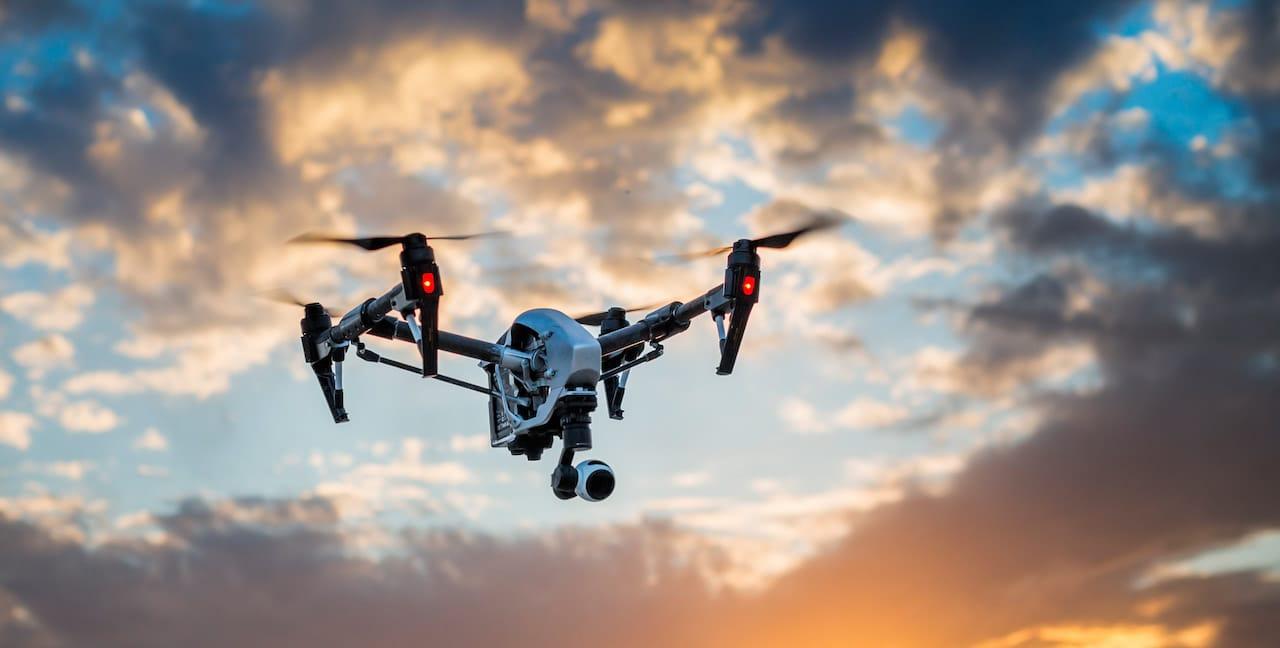
Drones have moved far beyond recreational gadgets. They are now used for surveying, photography, agriculture, infrastructure inspection, mapping, logistics, disaster management and several government applications. As drone technology becomes more accessible, India has also developed a formal regulatory framework to ensure that unmanned aircraft are operated safely and responsibly.
For anyone planning to purchase or operate a drone, understanding the applicable legal requirements is essential. A drone may be small and easy to operate, but its use is governed by aviation rules, airspace restrictions and registration requirements. The regulatory framework is primarily based on the Drone Rules, 2021, administered by the Directorate General of Civil Aviation (DGCA).
This makes it important for drone owners, pilots, businesses and service providers to understand the basic requirements before conducting a flight. This guide explains the key aspects of operating drones legally in India, including drone classification, registration, flying zones, pilot requirements and important compliance considerations.
Understanding the Regulatory Framework for Drones
The Drone Rules, 2021 replaced the earlier Unmanned Aircraft System Rules, 2021 and created a more structured framework for unmanned aircraft operations in India. The rules apply to persons who own, possess, lease, operate, transfer or maintain unmanned aircraft systems in India, as well as unmanned aircraft systems registered in India or being operated in or over India.
The DGCA is the principal aviation regulator responsible for implementing the framework. Its online systems provide services connected with drone registration, type certification, remote pilot certification and other regulatory processes.
The regulatory framework is designed around a basic principle: the convenience of operating a drone cannot take priority over public safety, aviation safety and security. This is particularly important when drones are operated close to airports, sensitive installations, populated areas or other restricted locations.
Drone Classification in India
One of the first things a prospective drone operator should understand is drone classification. Under the Drone Rules, 2021, unmanned aircraft systems are broadly classified according to their maximum all-up weight.
The principal categories include:
-
Nano drones: Maximum all-up weight up to 250 grams.
-
Micro drones: More than 250 grams and up to 2 kilograms.
-
Small drones: More than 2 kilograms and up to 25 kilograms.
-
Medium drones: More than 25 kilograms and up to 150 kilograms.
-
Large drones: More than 150 kilograms.
The classification matters because different requirements can apply depending on the category and intended operation. For example, the regulatory treatment of a lightweight recreational drone is not identical to that of a larger commercial unmanned aircraft.
Anyone buying a drone should therefore check its weight, specifications and certification status before assuming that it can be flown without formalities.
Do Drones Need Registration in India?
Registration is one of the most important issues under the Indian drone framework. The Drone Rules provide for a Unique Identification Number, commonly referred to as a UIN, for unmanned aircraft systems that fall within the applicable regulatory requirements.
The registration process and related regulatory services have increasingly moved into the DGCA's eGCA ecosystem. In July 2025, the DGCA announced the migration of drone-related regulatory services, including UIN issuance and transfer or de-registration services, from the Digital Sky Platform to eGCA.
This change is particularly relevant for drone owners and operators because older online guidance may still refer to Digital Sky for processes that have since been migrated.
The DGCA currently also states that registration of non-type-certified UAS has been temporarily suspended until further notice. Therefore, drone owners should verify the latest DGCA position before purchasing or attempting to register a drone.
This is an important compliance lesson: online articles and older guides may not always reflect the latest administrative position. The official DGCA website should be checked before taking regulatory action.
Understanding Drone Flying Zones
Airspace restrictions are among the most important aspects of drone operations. India uses an airspace zoning system to identify areas where drone operations are permitted, restricted or prohibited.
Drone operators should check the applicable airspace information before every flight rather than assuming that a location is automatically suitable.
Generally, drone operations can be affected by proximity to airports, defence establishments, government facilities and other sensitive locations. Restrictions may also apply around specific geographical areas for security or safety reasons.
The concept of checking the permitted airspace is particularly important for commercial operators. A photographer, survey company, real estate business or construction firm may have permission to conduct a particular activity, but that does not automatically mean that every location is available for drone operations.
In other words, permission from a property owner and permission to use the airspace are separate considerations.
What Are the Key Drone Rules in India for Pilots?
The requirements applicable to a drone pilot depend on the type of drone and the nature of the operation. Remote pilot certification is an important component of the regulatory system for applicable categories of drone operations.
Training is generally provided through authorised Remote Pilot Training Organisations, or RPTOs, for the relevant categories. The regulatory framework also provides for remote pilot certificates and related processes.
Operators should therefore determine whether the intended operation requires a certified remote pilot before beginning commercial or other regulated drone activities.
For businesses, this is especially important because assigning an unqualified person to operate a drone can create safety, insurance and compliance concerns. A company using drones for land surveys, infrastructure inspection or industrial monitoring should establish internal procedures covering pilot qualifications, equipment checks, airspace verification and operational records.
Commercial Drone Operations Require Greater Care
Drones have become valuable business tools across several sectors. Construction companies use them to monitor projects and inspect difficult-to-access structures. Agricultural businesses can use aerial imagery for crop monitoring. Surveying firms use drones to collect geographical data, while media companies use them for aerial photography and video production.
Commercial use, however, should not be treated as simply recreational flying with a camera attached.
Businesses should assess the complete regulatory picture before starting operations. This includes checking whether the drone meets applicable certification requirements, whether the pilot holds the necessary credentials, whether the intended area permits the proposed flight and whether any additional approvals or restrictions apply.
Companies should also maintain records of drone specifications, pilot details, flight plans, permissions and incidents where appropriate. A documented compliance process can reduce operational risks and make it easier to respond if regulators or clients request information.
Privacy Is Another Important Consideration
Drone regulation is not limited to aviation safety. Privacy can also become a concern when drones carry cameras or other sensors.
A drone flying over a residential area may unintentionally capture images of people, homes or private activities. Businesses conducting surveys or inspections may also collect information about properties, workers or surrounding locations.
Operators should therefore consider privacy and data protection obligations alongside aviation requirements. The fact that a drone is legally permitted to fly in a particular area does not necessarily mean that every form of recording or data collection is appropriate.
Companies should establish clear rules regarding what information is collected, why it is collected, who can access it and how long it is retained. This becomes even more relevant when drone imagery is integrated with artificial intelligence, facial recognition, mapping platforms or other data-processing systems.
Safety Measures Every Drone Operator Should Follow
Regulatory compliance should be supported by basic operational safety.
Before each flight, operators should inspect the drone, batteries, propellers, communication systems and control equipment. Weather conditions should also be considered because strong winds, rain and poor visibility can affect flight stability.
The pilot should maintain appropriate awareness of people, buildings, vehicles, electrical infrastructure and other aircraft in the operating area. Flights should be planned rather than conducted casually, particularly in urban or commercially sensitive environments.
Battery management is another practical issue. Operators should monitor battery levels and avoid extending flights to the point where the drone may not have enough power to return safely.
For professional operators, written checklists can help standardise pre-flight and post-flight procedures. These measures are useful not only for compliance but also for reducing the possibility of accidents and equipment loss.
Why Businesses Should Track Regulatory Changes
India's drone sector is developing quickly, and the regulatory environment can change as technology and operational practices evolve. Government portals may also change the way applications, certificates and registrations are processed.
For example, the DGCA's migration of drone-related services from Digital Sky to eGCA shows why businesses should not rely permanently on older compliance workflows.
Businesses operating fleets of drones should assign responsibility for regulatory monitoring. This can be part of the legal, compliance, aviation or operations function depending on the organisation.
A simple compliance register can track drone registration details, certification information, pilot credentials, insurance records, maintenance schedules and regulatory updates. Such a system can be particularly useful for companies operating drones across multiple locations.
Common Mistakes Drone Owners Should Avoid
Several mistakes can create unnecessary regulatory and safety problems.
The first is purchasing a drone without checking its regulatory status. A low-cost drone purchased online may not necessarily meet the requirements applicable to legal operations in India.
The second is assuming that a lightweight drone can always be flown without restrictions. Weight is only one part of the regulatory framework. The location, purpose and type of operation also matter.
Another common mistake is flying without checking the current airspace status. Conditions can change, and temporary restrictions may affect a location that was previously available for drone operations.
Operators should also avoid relying solely on social media posts, informal advice or outdated blog articles. The DGCA remains the key official source for aviation-related regulatory information, and its website currently lists the Drone Rules, 2021 among the applicable regulatory materials.
Drone Rules and Regulations in India: A Compliance Checklist
For individuals and businesses, a simple checklist can make drone operations easier to manage.
Before operating a drone, consider the following:
-
Identify the drone's weight category and specifications.
-
Check whether the drone requires applicable certification or registration.
-
Verify the latest DGCA requirements before operation.
-
Confirm whether the remote pilot requires a certificate or training.
-
Check the applicable airspace zone before every flight.
-
Avoid restricted or sensitive locations unless the required permission is available.
-
Conduct appropriate pre-flight equipment checks.
-
Consider privacy and data protection issues when recording people or property.
-
Maintain relevant registration, pilot and operational records.
-
Check the DGCA portal regularly for changes to procedures and requirements.
Following this checklist can help operators reduce avoidable compliance problems.
The Future of Drone Operations in India
India's drone ecosystem is expanding across agriculture, infrastructure, logistics, defence support, surveying, filmmaking and public services. As adoption increases, regulation will remain an important part of ensuring that this technology develops safely.
For consumers, the key takeaway is simple: buying a drone does not automatically give someone unrestricted permission to fly it anywhere. For businesses, compliance should be treated as part of the operating model rather than as a one-time registration exercise.
The phrase drone rules in India covers more than registration alone. Operators must consider drone classification, certification, pilot requirements, airspace restrictions, operational safety and privacy.
Similarly, understanding the drone rules and regulations in India requires checking the current position of the DGCA rather than relying on outdated information. The official regulatory framework continues to provide the foundation for drone operations, while administrative processes and online services may change over time. The DGCA website should therefore be treated as the primary reference point when confirming current requirements.
As drones become part of everyday commercial and professional activity, responsible operation will be just as important as technical capability. A clear understanding of the applicable rules can help drone owners, pilots and businesses use the technology while keeping safety, legality and accountability at the centre of every flight.
Disclaimer: This article is intended for general informational purposes and does not constitute legal advice. Drone requirements may change through government notifications, regulatory directions or administrative updates. Operators should verify the latest requirements with the DGCA and other competent authorities before conducting drone operations.

 English
 Arabic
 French
 Spanish
 Portuguese
 Deutsch
 Turkish
 Dutch
 Russian
 Romaian
 Portuguese (Brazil)
 Greek