


A Practical Guide to Maintaining a Healthy Fruitland Park Lawn
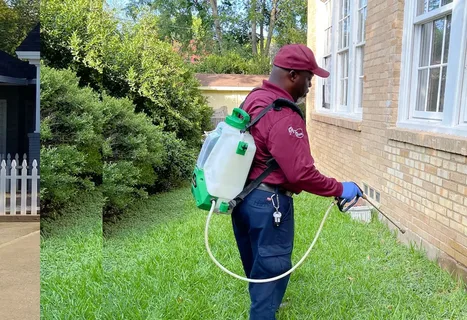
A healthy lawn can make a residential property more attractive, comfortable, and enjoyable throughout the year. Keeping grass in good condition, however, requires more than occasional mowing. Irrigation, fertilization, weed management, trimming, soil conditions, and seasonal changes can all affect how turf grows and responds to Florida's weather.
Florida lawns can require consistent attention because grass may continue growing for much of the year. UF/IFAS identifies mowing, fertilization, irrigation, and pest and weed management as important parts of maintaining Florida turf.
Understanding Your Lawn's Needs
For homeowners considering Lawn Maintenance Fruitland Park FL, the first step is understanding the condition and type of grass on the property. Different turfgrass species have different mowing heights, watering requirements, and growth patterns. Sun exposure, shade, soil conditions, drainage, and the amount of foot traffic can also influence maintenance needs. Rather than applying the same routine to every lawn, homeowners can evaluate these factors and create a schedule that fits the particular property.
Maintaining the Proper Mowing Routine
Regular mowing helps keep grass at a manageable height while supporting turf density. UF/IFAS explains that mowing height and frequency depend on the turfgrass species, cultivar, and desired lawn quality. Cutting grass too short can stress the turf and make it more vulnerable to weeds, insects, disease, and environmental conditions. Homeowners should therefore avoid removing excessive amounts of grass during a single mowing and keep equipment in suitable condition.
Managing Irrigation Carefully
Water management is another important part of maintaining a Florida lawn. Too little water can cause visible stress, while excessive irrigation can contribute to runoff, nutrient loss, and other landscape problems. UF/IFAS recommends watering based on signs of turf water stress and considering rainfall, soil conditions, grass type, and seasonal weather. Checking irrigation heads and adjusting watering schedules can help ensure that water reaches the areas that actually need it.
Supporting Healthy Soil
Grass depends on suitable soil conditions for root growth and nutrient availability. Compacted areas, poor drainage, and nutrient imbalances can affect how well turf develops. A soil test can provide useful information about available nutrients before fertilizer is applied. Instead of adding fertilizer without understanding the lawn's requirements, homeowners can use soil information and turfgrass recommendations to guide their maintenance decisions.
Applying Fertilizer Responsibly
Fertilization should be based on grass type, location, growth stage, and applicable local requirements. UF/IFAS notes that fertilizer should be applied at appropriate rates and times because excessive or improper applications can damage lawns and contribute to nutrient movement into water resources. Homeowners should also check current local fertilizer rules before applying products, particularly because Florida ordinances can vary between communities.
Managing Weeds Before They Spread
Weeds compete with turf for available space, water, nutrients, and sunlight. Maintaining dense, properly cared-for grass can make it more difficult for weeds to establish. Mowing at the correct height, managing irrigation, and maintaining appropriate fertility can therefore support broader weed-management efforts. When weeds are already present, identifying them before selecting a treatment can help homeowners choose a more appropriate control method.
Watching for Lawn Pests and Diseases
Changes in grass color, thinning areas, damaged blades, unusual spots, or sections that fail to recover can sometimes indicate pests or disease. Not every lawn problem is caused by insects, so the underlying cause should be considered before applying a treatment. Regular observation allows homeowners to notice changes early and determine whether additional assessment is needed.
Maintaining Lawn Edges and Landscape Areas
A well-maintained lawn extends beyond the central grass area. Edges around driveways, sidewalks, flower beds, fences, trees, and other landscape features can become overgrown if they are not maintained regularly. Trimming these areas can create clearer boundaries and make the entire property look more organized. Keeping nearby landscape beds free of excessive weeds and debris can also complement routine turf care.
Adjusting Care for Seasonal Conditions
Lawn maintenance requirements can change throughout the year. Growth rates, rainfall, temperature, and sunlight affect how frequently grass should be mowed and watered. Florida turf may require different attention during periods of active growth than during slower periods. Monitoring the actual condition of the lawn allows homeowners to adjust maintenance rather than following an identical routine throughout the year.
Keeping Mowing Equipment Ready
Mowers and other lawn equipment should receive regular attention as part of a maintenance routine. Blades should remain sufficiently sharp to provide cleaner cuts, while tires, handles, filters, and other components should be checked according to the equipment manufacturer's recommendations. Properly maintained equipment can make routine lawn work easier and help prevent avoidable problems during mowing.
Combining Lawn Tasks Into One Routine
Lawn maintenance is easier to manage when individual tasks are coordinated. Mowing, irrigation, fertilization, weed monitoring, pest observation, edging, and debris removal all contribute to the condition of the outdoor space. UF/IFAS emphasizes that proper mowing, fertilization, and irrigation work together as important components of Florida lawn care. A coordinated routine can also make it easier to notice when something changes and requires additional attention.
Preparing for Regular Property Care
Homeowners who maintain their lawns consistently can keep track of mowing schedules, irrigation adjustments, fertilizer applications, and recurring problems. Keeping simple records can make seasonal planning easier and help identify patterns in grass growth or lawn stress. Larger properties or households with limited time may also choose to arrange recurring lawn maintenance based on the property's size and specific requirements.
Creating a More Manageable Lawn
A healthy Fruitland Park lawn depends on consistent attention rather than one-time treatments. Proper mowing, suitable irrigation, responsible fertilization, weed monitoring, pest awareness, and landscape cleanup can work together to support a more usable outdoor space. The right maintenance routine will depend on the turfgrass, property conditions, weather, and goals of the homeowner.
If your lawn needs ongoing care, consider arranging a maintenance schedule based on its grass type, size, current condition, and seasonal requirements. Lawn Maintenance Fruitland Park FL can include routine mowing, edging, irrigation monitoring, weed management, fertilization, and general lawn upkeep according to the needs of the property. Contact a lawn-care service today to discuss your lawn's condition, maintenance schedule, grass type, and the services needed to keep your outdoor space manageable.

 English
 French
 Spanish
 Portuguese
 Deutsch
 Turkish
 Dutch
 Italiano
 Russian
 Romaian
 Portuguese (Brazil)
 Greek