


Understanding Rehabilitation Goals in Cerebral Palsy Treatment
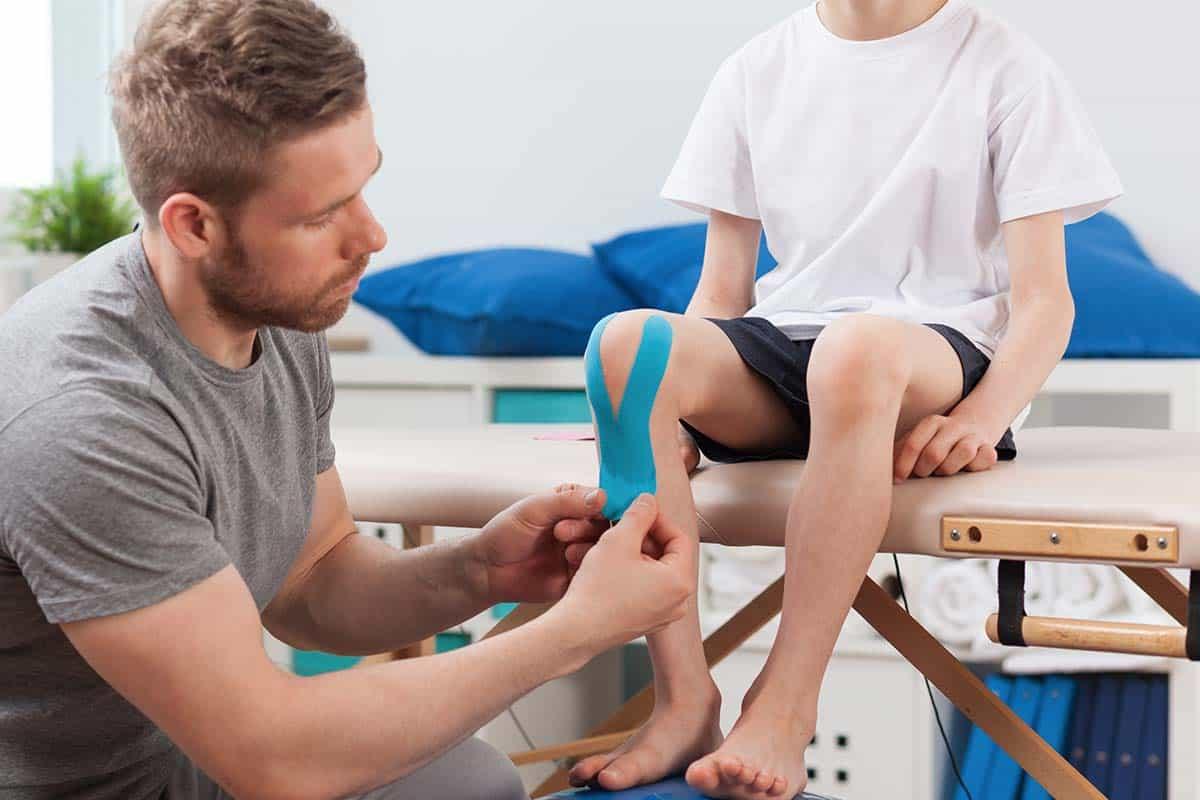
Cerebral Palsy Treatment In Dubai often includes rehabilitation programs designed to help children and adults improve movement, communication, coordination, and independence. Rehabilitation focuses on practical goals that match each person's abilities and daily needs rather than following the same approach for everyone. A coordinated care plan may include physiotherapy, occupational therapy, speech therapy, and medical support. Families may also use Doctor at Home services when professional guidance or follow-up support is needed in a familiar environment.
What Are Rehabilitation Goals in Cerebral Palsy Treatment?:
Rehabilitation goals are specific, realistic targets developed to address the challenges associated with cerebral palsy. These goals can focus on physical movement, muscle control, balance, communication, self-care, learning, or participation in everyday activities. The goals may change as a person's abilities and needs develop. A child may initially work on sitting independently, while a later goal could involve walking with appropriate support or participating in school activities. Adults may have goals related to maintaining mobility, managing discomfort, improving independence, or adapting to changes in physical function.
Why Individualized Rehabilitation Goals Matter:
Every person with cerebral palsy experiences the condition differently. Differences in muscle tone, movement patterns, coordination, communication, and functional abilities mean that rehabilitation should be personalized. An individualized plan allows healthcare professionals and families to concentrate on meaningful outcomes rather than focusing only on clinical measurements. Goals should consider the person's age, current abilities, home environment, educational or employment needs, and personal priorities. This approach can also help families understand what therapy is intended to accomplish and how progress can be monitored over time.
Setting Physical Rehabilitation Goals:
Physical goals are often an important part of cerebral palsy rehabilitation. Physiotherapy may focus on improving strength, flexibility, balance, posture, coordination, and functional movement. Depending on the individual's needs, goals may include maintaining a stable sitting position, transferring safely between surfaces, standing with support, walking, or improving the use of mobility equipment. Physical rehabilitation goals should be practical and achievable while avoiding unnecessary strain.
Common physical rehabilitation goals may include:
- Improving balance and postural control
- Increasing flexibility and maintaining joint movement
- Supporting safer transfers and mobility
- Developing greater strength for daily activities
- Improving coordination and controlled movement
- Maintaining physical abilities over the long term
Improving Daily Living Skills Through Rehabilitation:
Rehabilitation can also focus on activities that people perform every day. Occupational therapy may help individuals develop strategies for dressing, eating, grooming, bathing, writing, using household items, and other tasks. For children, therapy may support age-appropriate play and school-related activities. For adults, goals may include managing household responsibilities, using adaptive equipment, or participating more independently in work and social activities. The purpose is not simply to improve a physical movement but to make that movement useful in everyday life.
Communication and Speech Rehabilitation Goals:
Communication difficulties can occur in some people with cerebral palsy, making speech and language therapy an important part of rehabilitation. Goals may involve improving speech clarity, understanding language, using alternative communication methods, or strengthening the muscles involved in speaking and swallowing. Speech therapists can assess individual communication needs and recommend appropriate strategies or assistive communication devices when necessary. Successful communication goals should focus on helping the individual express needs, participate in conversations, and interact more comfortably with family, teachers, caregivers, and others.
Feeding and Swallowing Goals:
Some individuals with cerebral palsy experience difficulties with chewing, swallowing, or maintaining a safe and comfortable eating routine. Rehabilitation goals may therefore include improving oral motor skills, positioning during meals, and safe swallowing techniques. Speech and feeding specialists can assess swallowing abilities and recommend strategies based on individual needs. Families should pay attention to concerns such as frequent coughing during meals, prolonged feeding times, choking episodes, or unexplained weight changes and discuss them with an appropriate healthcare professional.
Goals for Independence and Participation:
One of the broader purposes of rehabilitation is to support independence and participation in everyday life. Independence does not necessarily mean completing every task without assistance. Instead, it can mean having the skills, equipment, communication methods, or support needed to participate meaningfully. Rehabilitation goals may involve choosing clothing, communicating preferences, moving around the home, participating in education, engaging in hobbies, or taking part in social activities. Small improvements in these areas can have an important impact on confidence and quality of life.
How Rehabilitation Goals Change With Age:
Rehabilitation needs can change throughout different stages of life. Young children may focus on developmental skills such as head control, sitting, crawling, standing, and communication. School-age children may work on classroom participation, handwriting, mobility, and self-care. Teenagers may require greater attention to independence, social participation, and preparation for adulthood. Adults may focus on maintaining mobility, preventing complications, managing fatigue, and adapting to changing physical demands. Regular reassessment allows rehabilitation goals to remain relevant as circumstances change.
Measuring Progress During Cerebral Palsy Rehabilitation:
Progress should be evaluated using meaningful and measurable indicators. Healthcare professionals may observe changes in movement, strength, balance, communication, endurance, self-care, or participation in daily activities. Progress is not always rapid, and it may not always mean gaining a completely new ability. Maintaining an existing skill, reducing difficulty during an activity, or completing a task with less assistance can also represent valuable progress. Families can keep a simple record of therapy goals and everyday achievements to help healthcare professionals understand changes over time.
Useful areas to monitor can include:
- Ability to complete daily activities
- Changes in mobility or transfers
- Communication improvements
- Level of assistance required
- Tolerance for physical activity
- Use of mobility or communication equipment
- Participation in school, work, or social activities
The Role of Family in Rehabilitation Goals:
Family involvement can make rehabilitation more consistent outside formal therapy sessions. Parents, caregivers, and other family members can support recommended exercises, encourage safe participation in daily activities, and help maintain routines. However, exercises and techniques should be performed according to professional guidance, particularly when they involve mobility, positioning, stretching, or specialized equipment. Families can also communicate changes, difficulties, and achievements to the rehabilitation team so that goals can be adjusted when needed.
Creating Realistic and Meaningful Rehabilitation Goals:
Effective rehabilitation goals should be realistic, measurable, and connected to the individual's everyday life. Instead of setting a broad goal such as "improve mobility," a more specific goal might involve standing safely for a particular activity or completing a transfer with less assistance. Breaking larger goals into smaller steps can make progress easier to recognize and may help maintain motivation. Goals should also be reviewed regularly because abilities, environments, and priorities can change.
A useful rehabilitation plan may consider:
- Current functional abilities
- Short-term and long-term objectives
- Family priorities
- School or workplace requirements
- Available support and equipment
- Safety considerations
- Changes in physical or communication needs
Working With a Multidisciplinary Rehabilitation Team:
Cerebral palsy rehabilitation may involve several healthcare professionals working toward related goals. Physiotherapists can address movement and physical function, occupational therapists can focus on daily activities, and speech therapists can support communication and swallowing. Doctors and other specialists may help manage medical concerns that affect rehabilitation. Coordinating these services can help ensure that different therapies complement one another rather than operating separately. Regular communication between professionals and family members can also make it easier to identify changes and update goals.
Final Thoughts:
Understanding rehabilitation goals is an important part of effective cerebral palsy care. The most useful goals are personalized, practical, measurable, and connected to everyday activities. Whether the focus is mobility, communication, feeding, self-care, or participation, rehabilitation should reflect the individual's abilities and changing needs. With consistent professional guidance, family involvement, appropriate therapy, and regular reassessment, rehabilitation can support greater independence and meaningful participation throughout different stages of life.

 English
 Arabic
 French
 Spanish
 Portuguese
 Deutsch
 Turkish
 Dutch
 Italiano
 Russian
 Portuguese (Brazil)
 Greek