


Interesting Modern Workspace Design Trends Recommended by Leading Architects
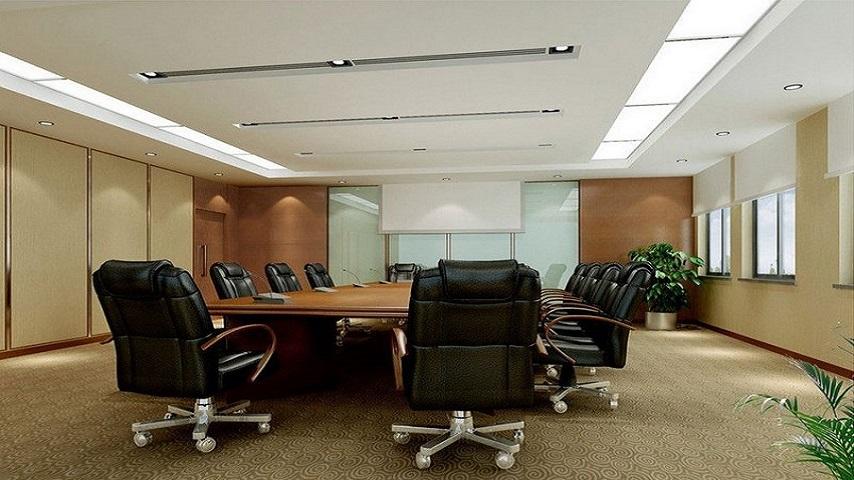
The modern workplace is no longer defined by rows of desks, enclosed cabins, and a formal reception area. As businesses evolve, architects and workplace designers are creating offices that are more flexible, comfortable, technology-driven, and focused on the people who use them.
In 2026, workplace design is increasingly centred around adaptability, employee experience, sustainability, and purposeful use of space. Recent workplace research also shows growing interest in flexible workspaces, high-quality office environments, sustainability, and technology-enabled workplaces.
Here are some interesting modern workspace design trends that are influencing the way contemporary offices are planned.
1. Flexible Spaces That Adapt to Different Work Styles
One of the biggest changes in office planning is the move away from rigid layouts. Employees may need a quiet environment for focused work in the morning and a collaborative space for brainstorming later in the day.
Architects are therefore incorporating movable partitions, modular furniture, shared workstations, and multipurpose areas. A single space can be transformed for meetings, workshops, presentations, or informal discussions without requiring major structural changes.
This approach also allows businesses to adapt their workspace as teams expand, reorganise, or adopt different working patterns.
2. Biophilic Design Becomes a Core Feature
Plants are no longer simply decorative additions placed around reception areas. Modern architects are integrating nature into the overall design language of the workplace.
Natural daylight, indoor greenery, wooden textures, natural stone, organic shapes, and views of outdoor areas can create a warmer and more inviting atmosphere. Current workplace design discussions increasingly treat biophilic design as part of employee wellbeing rather than just visual styling.
Even smaller offices can introduce this concept through indoor plants, green walls, natural finishes, and better access to daylight.
3. Activity-Based Workspaces
A modern office does not necessarily need one desk for every employee. Instead, spaces can be designed around different activities.
For example, an office may include:
- Quiet zones for concentration
- Collaboration areas for group projects
- Private booths for calls
- Informal lounges for conversations
- Meeting rooms for structured discussions
- Breakout areas for relaxation
This activity-based approach gives employees greater freedom to select an environment that matches the task they are performing.
4. Acoustic Design Takes Centre Stage
Open-plan offices can encourage communication, but excessive noise can make concentration difficult. This is why architects are paying much greater attention to acoustics during the planning stage.
Acoustic ceiling panels, wall treatments, soft furnishings, privacy screens, sound-absorbing partitions, and dedicated quiet rooms can help control unwanted noise.
The goal is not necessarily to create a completely silent office. Instead, the objective is to create a balanced environment where employees can easily switch between collaboration and focused work.
5. Technology-Ready Meeting Spaces
Hybrid collaboration has changed what businesses expect from meeting rooms. A contemporary conference room needs to work for both people physically present and colleagues joining remotely.
Modern meeting spaces may incorporate integrated displays, wireless connectivity, video-conferencing equipment, intelligent lighting, and carefully planned camera and microphone positions.
Technology should be integrated into the architecture rather than added as an afterthought. This creates a cleaner appearance while making meetings easier and more efficient. Hybrid-ready technology is now a recurring element of forward-looking workplace design.
6. Wellness Areas Become Part of Office Planning
Employee wellbeing is increasingly influencing workspace design. Instead of using every available square metre for desks, businesses are creating spaces where employees can pause, recharge, or have informal conversations.
Wellness-focused spaces can include comfortable lounges, meditation rooms, relaxation corners, pantry areas, terraces, or quiet retreat zones.
The modern workplace is gradually becoming less about maximising desk density and more about creating an environment where people can perform comfortably throughout the day.
7. Warm and Residential-Inspired Interiors
The traditional corporate office often relied heavily on formal furniture and uniform finishes. Contemporary workplaces are taking inspiration from hospitality and residential interiors.
Comfortable seating, warm lighting, textured materials, rugs, timber finishes, soft furnishings, and relaxed lounge areas can make an office feel more welcoming.
This does not mean making the workplace look like a home. Instead, architects are combining professional functionality with the comfort and character people increasingly expect from modern environments.
8. Smart Use of Micro-Zones
Not every workplace activity requires a large room. Small, purpose-built zones can make an office significantly more versatile.
A micro-zone could be a compact phone booth, a two-person discussion area, a reading corner, a high table for quick collaboration, or a small focus pod.
These spaces help employees move away from the traditional idea that work can only happen at a standard desk or inside a meeting room.
9. Sustainable Materials and Energy-Conscious Design
Sustainability is becoming an important consideration in workplace architecture. Businesses are looking beyond appearance and considering how materials, lighting, energy consumption, and furniture choices affect the overall environmental impact of a workspace.
Architects can incorporate daylight wherever practical, energy-efficient lighting, durable materials, recycled or responsibly sourced finishes, and furniture designed for long-term adaptability.
The emphasis is shifting toward workplaces that perform well over time rather than interiors that simply look impressive on opening day.
10. Spaces Designed Around Company Identity
A modern workspace should communicate something about the organisation using it. Instead of copying generic office interiors, businesses are increasingly incorporating brand colours, materials, graphics, artwork, and spatial concepts that reflect their culture.
The reception area might create a strong first impression, while collaboration zones can express creativity and energy. More private areas can use a calmer design language to support concentration.
This makes the workplace an extension of the brand rather than simply a physical location where employees sit.
11. Inclusive and People-Centred Design
Leading workplace strategies are increasingly considering that employees have different needs, working preferences, and sensory experiences.
A people-centred workspace can provide a variety of environments rather than expecting everyone to work effectively in the same type of setting. Quiet spaces, adjustable furniture, clear circulation, comfortable lighting, accessible facilities, and different seating choices can make workplaces more inclusive.
Current workplace design thinking is increasingly placing adaptability, inclusivity, wellbeing, and human experience at the centre of planning.
12. The Office as an Experience, Not Just a Workplace
Perhaps the most important trend is the changing purpose of the office itself.
When employees can perform many individual tasks remotely, the physical workplace needs to offer something valuable. Collaboration, creativity, social interaction, learning, mentoring, culture, and a sense of belonging are becoming important reasons for bringing people together.
This is why contemporary offices are increasingly being designed like carefully planned ecosystems, combining work areas with social, collaborative, technological, and wellness spaces. Recent workplace commentary describes this broader shift toward offices designed around human performance and experience rather than simple attendance.
How Should Businesses Approach Modern Workspace Design?
Following every trend is not necessarily the right strategy. A successful workspace should begin with the organisation's actual requirements.
Before finalising a design, businesses should consider:
- How employees currently use the office
- Which activities require privacy or collaboration
- How much flexibility the business may need in the future
- Available natural light and ventilation
- Technology requirements
- Acoustic needs
- Employee comfort and wellbeing
- Sustainability objectives
- Brand identity
- Long-term maintenance and adaptability
The best modern workspace is not necessarily the most expensive or visually dramatic one. It is the space that supports people effectively while remaining adaptable as the organisation changes.
Final Thoughts
Modern workspace design is moving beyond aesthetics. Architects are creating environments that respond to changing work patterns, employee expectations, technology, sustainability goals, and business growth.
Flexible layouts, biophilic elements, acoustic planning, smart meeting rooms, wellness areas, modular furniture, and people-centred design are helping redefine what an effective office can be.
Ultimately, the most successful workspace is one that feels purposeful. It should make focused work easier, collaboration more natural, technology more seamless, and employees more comfortable. As workplace needs continue to evolve, thoughtful and adaptable design will remain one of the most valuable investments a business can make.
Interesting Cafeteria Design Ideas That Inspire Modern Workspaces and Campuses
How Architects Develop a Conceptual Cafeteria Design That Enhances User Experience

 English
 Arabic
 French
 Spanish
 Portuguese
 Deutsch
 Turkish
 Dutch
 Italiano
 Russian
 Romaian
 Greek