


What Happens When Small Roof Damage Is Left Unfixed?
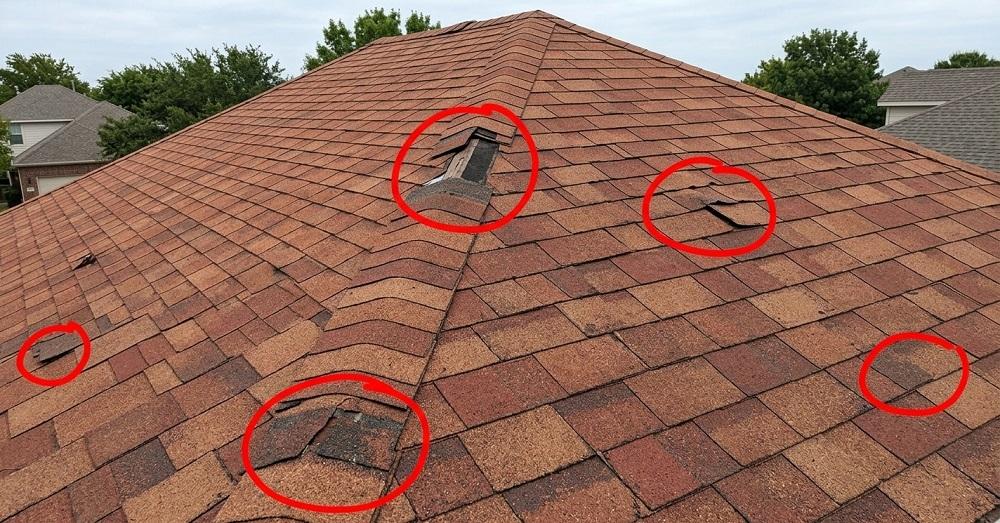
A roof can look like a small problem when the damage is limited to one area. A missing shingle, small crack, lifted section, or loose flashing may not seem urgent when there is no visible leak inside the home. Yet a damaged roof can become a larger concern when the affected area remains open to changing weather.
Rain, strong winds, and hail can place more pressure on an already weak roofing surface. Water may move beneath roofing materials, while wind can loosen nearby shingles. In some cases, the first signs of trouble may not appear until days or weeks after the original damage.
Knowing what can happen when roof problems remain unfixed can help homeowners respond before a small concern grows.
How Can Roof Damage Get Worse Over Time?
Roof damage does not always remain limited to the exact spot where it first appeared. Once the outer roofing layer is broken, moisture and weather can affect the materials beneath it.
Small Openings Can Let Moisture Inside
A damaged shingle may leave part of the roof deck exposed. Water can move beneath nearby shingles and reach the underlayment or wood structure.
The longer moisture remains around these areas, the greater the chance of additional damage.
Loose Materials Can Affect Nearby Areas
Wind can catch the edge of a loose shingle and pull against surrounding materials. One damaged section can therefore become more exposed during the next period of strong weather.
What Happens When Storm Damage Is Left Unfixed?
Storm damage can include missing shingles, lifted roofing materials, damaged flashing, cracks, and other changes caused by severe weather. Leaving these problems unattended can make the roof less prepared for the next storm.
Strong Wind Can Increase Existing Damage
A shingle that has already been loosened may be easier for another gust to lift. Strong winds can also move debris across the roof and cause fresh damage.
After a major storm, visible roofing changes deserve attention even when there is no obvious indoor leak.
Hail Damage Can Create Hidden Problems
Hail can affect shingles in ways that are not always easy to notice from the ground. Impact can damage the shingle surface and reduce its ability to protect the layers underneath.
Repeated storms can add more stress to areas that were already affected.
Can Rain Damage Spread Inside a Home?
Yes. Rain damage can become more serious when water gets beneath roofing materials. A leak may begin around one small opening but later affect ceilings, walls, insulation, or other areas.
Why May a Roof Leak Appear Later?
Water does not always travel straight down. It can move along roofing materials or structural surfaces before reaching an interior space.
This means a ceiling stain may appear some distance away from the original roof problem.
What Can Long-Term Moisture Affect?
Continued moisture may affect:
- Roof decking
- Insulation
- Ceiling materials
- Interior walls
- Paint and finishes
The longer water has a path into the structure, the more areas it may reach.
Why Should Missing Shingles Be Addressed Quickly?
Missing shingles leave a section of the roof without its normal outer covering. Underlying layers may still offer some protection, but they are not meant to remain exposed for long periods.
Wind and Rain Can Reach the Exposed Area
Once shingles are missing, wind-driven rain can reach beneath nearby roofing materials. Strong gusts can also affect the surrounding shingles.
A repair can help restore the intended roof covering before another storm creates further problems.
How Can Hail Damage Affect Roof Performance?
Hail can strike shingles with enough force to damage the surface. The effects may vary depending on hail size, wind conditions, roofing material, and the location of the impact.
Why Is Hail Damage Sometimes Hard to See?
Some impact marks are subtle. A roof may look normal when viewed from the ground even though individual shingles have been affected.
A professional roof inspection can assess areas that are difficult to evaluate safely from ground level.
What Other Problems Can Grow After Roof Damage?
A damaged roof can create several connected concerns when repairs are delayed. The exact outcome depends on the location and severity of the damage, but weather exposure can make existing problems harder to manage.
Common Concerns After Delayed Roof Repair
Some issues may include:
- More loose shingles
- Water entry
- Damaged flashing
- Exposed roof decking
- Interior water stains
- Larger repair areas
Not every damaged roof will develop all of these problems. Still, early attention can help limit the chance of a minor issue becoming more extensive.
When Should a Damaged Roof Be Inspected?
An inspection can be useful after severe weather or when visible roof changes appear. Homeowners should be especially attentive after strong wind, heavy rain, or hail.
What Can an Inspection Check?
A professional can assess the visible roofing surface along with areas that may be harder to see from the ground.
An inspection may look at shingles, flashing, roof edges, drainage areas, and other parts of the roofing system.
Homeowners in areas affected by frequent storms may also benefit from having concerns checked soon after a major weather event.
How Does Timely Attention Help?
Addressing roof damage early can help homeowners understand the condition of the roof before additional weather reaches the affected area.
For homeowners seeking local assistance, roofing companies in Raleigh North Carolina can inspect storm-related concerns and assess the condition of damaged roofing materials.
A prompt assessment does not always mean a complete roof replacement. The required work depends on the type, location, and extent of the damage.
amaged Roof vs. Unfixed Roof Problems
|
Roof Condition |
Possible Concern |
Needed Action |
|
Missing shingle |
Water entry |
Inspect |
|
Loose shingle |
Wind exposure |
Repair |
|
Hail impact |
Surface damage |
Check |
|
Leaking area |
Moisture |
Inspect |
|
Damaged flashing |
Water path |
Repair |
|
Exposed deck |
Weather exposure |
Assess |
A damaged roof does not always mean a major roofing project is necessary. What matters is understanding the condition early and addressing problems before continued weather exposure creates additional concerns.
What Can Happen When Roof Damage Reaches the Roof Deck?
The roof deck sits underneath the visible roofing materials. It gives the roof its base and supports the layers above it. When a damaged roof allows water through, the deck can eventually become exposed to moisture.
Why Does the Roof Deck Matter?
A roof deck that stays dry can continue supporting the roofing system as intended. If water repeatedly reaches the same area, the material may weaken or change condition.
This kind of problem can be difficult to notice while standing inside the home. The roof may still look fairly normal even when moisture has reached deeper layers.
Can Roof Leaks Lead to Ceiling and Wall Damage?
A roof problem does not always stop at the roof. Water can travel through different parts of a building before it becomes visible indoors.
What Might Homeowners Notice?
Interior signs can include:
- Brown or dark ceiling marks
- Damp areas around walls
- Peeling paint
- Bubbling surfaces
- Water appearing near light fixtures
These signs do not always reveal the exact point where water entered. The source may be higher up or several feet away from the visible indoor mark.
How Can Constant Rain Worsen an Existing Roof Issue?
One rainy day may not create a dramatic change. Repeated rainfall is a different story.
When an opening remains in the roofing surface, every new rainfall event gives moisture another chance to reach the same vulnerable area. This is one reason rain damage can gradually become more extensive.
What Happens During Repeated Rain?
Water may reach the underlayment, roof deck, flashing, or nearby materials. If the area does not dry properly, moisture can remain trapped in parts of the roofing system.
The result can be a problem that grows quietly rather than appearing all at once.
Can Strong Winds Make Small Roof Damage Worse?
Strong wind can put extra pressure on loose or weakened roofing materials. A section that survived one storm may become more exposed during another.
Why Are Roof Edges Worth Watching?
Wind pressure can be greater around roof edges and corners. If shingles or flashing have already been disturbed, these areas may need closer attention.
After storm damage, homeowners may notice roofing pieces on the ground or changes along the roofline. These signs can indicate that the roof has been affected even when there is no indoor leak.
What Steps Matter After Hail Causes Roof Damage?
Hail can leave different types of damage depending on the storm. Some impacts may be easy to notice, while others may be less obvious.
What Can Hail Affect?
Hail may affect:
- Shingle surfaces
- Protective granules
- Flashing
- Roof edges
- Other exposed roofing materials
A homeowner does not need to climb onto the roof to look for these problems. A ground-level check can be followed with a professional inspection when damage is suspected.
How Can Delayed Repairs Increase Roofing Costs?
The cost of addressing a roof problem depends on its size, location, materials, and the work required. Delaying attention can allow a problem to affect more parts of the roofing system.
Why Can a Small Problem Become More Expensive?
A single damaged shingle may be limited to one area. If water enters beneath it and reaches other materials, the repair may involve more than the original shingle.
This does not mean every small roof problem will turn into a major repair. It means continued exposure can change the condition of the affected area.
How Can Homeowners Spot Signs That Damage Is Getting Worse?
Changes around the home can offer useful clues. A new ceiling mark, damp smell, loose roofing material, or visible roof change may indicate that the condition has changed.
Signs Worth Paying Attention To
Look for:
- New water stains
- Missing shingles
- Loose roof materials
- Damaged flashing
- Granules around downspouts
- Damp attic areas
These signs do not confirm the exact cause on their own. A proper inspection can help identify where the problem began and what areas may have been affected.
When Is Professional Roof Inspection Useful?
A professional inspection can be useful after severe weather or when a homeowner notices signs of roof damage.
What Does an Inspection Help Reveal?
An inspection can assess the condition of roofing materials and look at areas that are difficult to see safely. This can include damaged shingles, flashing, roof edges, and other exposed sections.
It can also help distinguish between a limited repair and a problem that has spread across a larger area.
Can Regular Roof Care Reduce Future Problems?
Regular roof care gives homeowners an opportunity to notice changes before they become harder to address. It does not stop every storm or prevent every type of damage, but it can help keep small concerns visible.
What Should Routine Checks Look For?
A basic review can pay attention to:
- Loose or missing shingles
- Damaged flashing
- Blocked gutters
- Visible debris
- Water marks inside the home
After severe weather, a closer inspection may be useful, especially when there are visible signs of storm damage, hail damage, or rain damage.
Why Is It Better to Understand Roof Damage Early?
A roof protects the rest of the building, so its condition can affect more than the outside appearance of the home.
When a damaged roof is left exposed, rain and wind have more opportunities to reach vulnerable areas. Early attention can help homeowners understand the problem while the affected area may still be limited.
That does not mean every damaged roof needs immediate replacement. The right solution depends on what an inspection reveals.
Final Thoughts
Modern Roofing USA Reviews can be another resource for homeowners seeking roofing services and reading experiences relating to roofing work. A roof can continue looking fairly normal even when a small damaged area is allowing moisture or wind into places it should not reach. Storm damage, rain damage, and hail damage can all affect roofing materials in different ways, so paying attention after severe weather is useful. When a problem appears, having the affected area checked can give homeowners a clearer picture of the roof's condition and the work that may be needed.

 English
 Arabic
 French
 Spanish
 Portuguese
 Deutsch
 Turkish
 Dutch
 Italiano
 Romaian
 Portuguese (Brazil)
 Greek