


Dental Crown Dubai: How Is Tooth Damage Evaluated Before Crown Placement?
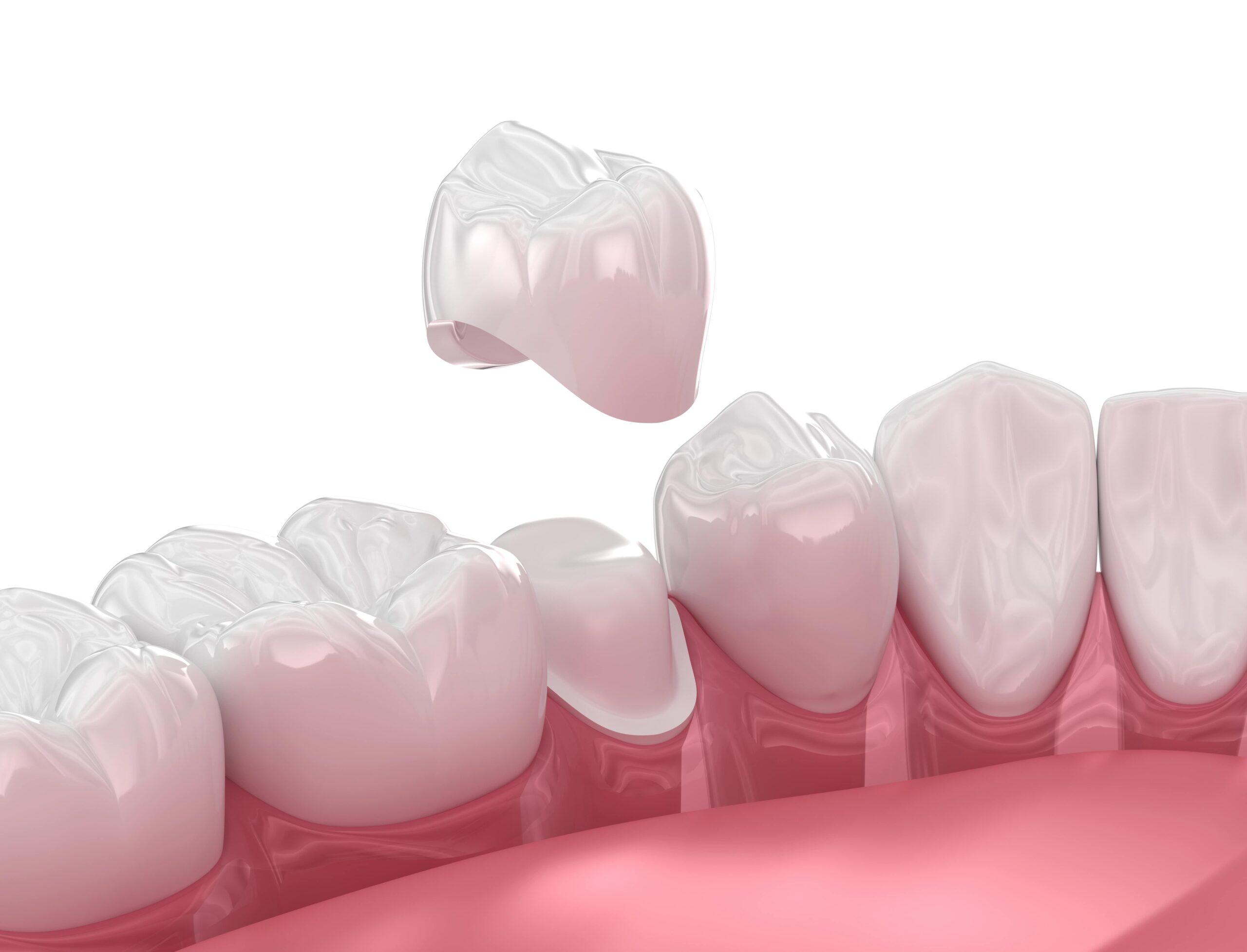
A dental crown is designed to restore the shape, strength, and function of a tooth that has been significantly affected by decay, fractures, wear, or previous dental treatment. However, placing a crown is not simply a matter of covering a damaged tooth. Before treatment begins, the tooth needs to be carefully evaluated to determine whether a crown is appropriate and how it should be designed.
For patients considering Dental Crown Dubai, the evaluation stage provides important information about the condition of the tooth, the amount of healthy structure that remains, and the surrounding oral tissues. A detailed assessment can help the dental team develop a restoration that fits comfortably with the patient's bite and overall dental structure.
Understanding how tooth damage is assessed can also help patients feel more informed before beginning treatment. At Cornerstone, the consultation focuses on the condition of the individual tooth and the factors that may influence crown planning.
Why Is Tooth Damage Evaluated Before Crown Placement?
Every damaged tooth has a different condition and treatment requirement. A tooth may appear heavily damaged from the outside while retaining substantial healthy structure underneath. In another case, damage may extend deeper into the tooth and require additional assessment before a crown can be considered.
The purpose of the evaluation is to understand the tooth's structure and determine how much support is available for the planned restoration. The dentist may assess the visible tooth surface, existing fillings, cracks, decay, gum condition, bite, and the relationship between the tooth and surrounding teeth.
This information helps determine whether a crown is suitable and what preparation may be needed before placement.
How Does the Dentist Examine the Tooth?
The assessment usually begins with a detailed visual examination. The dentist looks closely at the tooth and its surrounding area to identify visible signs of damage.
The examination may consider:
- The amount of remaining natural tooth structure
- Visible cracks or fractures
- Areas affected by decay
- Existing fillings or previous restorations
- Changes in tooth shape
- Tooth wear
- The condition of the gum around the tooth
- The position of the tooth within the dental arch
The dentist may also examine how the tooth responds during the consultation. The goal is to understand the condition of the tooth rather than relying solely on its appearance.
This initial examination provides a foundation for deciding how the tooth should be restored.
How Is the Amount of Remaining Tooth Structure Assessed?
One of the most important considerations before crown placement is how much healthy tooth structure remains.
A crown needs an appropriate foundation. If a large portion of the natural tooth has been lost through decay, fracture, erosion, or an old restoration, the dentist needs to determine whether enough structure remains to support the crown.
The assessment may focus on the walls and edges of the tooth, the height of the remaining structure, and the areas that can provide support for the restoration.
The dentist also considers how the tooth will function when exposed to normal biting forces. This helps determine the most appropriate approach for preparing the tooth for a crown.
How Is Tooth Decay Evaluated?
Tooth decay can occur at different depths and may not always be obvious during a visual examination. A dentist therefore assesses the tooth carefully for signs of decay before proceeding with crown planning.
The location and extent of decay are important because they can affect the amount of healthy structure available. Decay close to the edges of a tooth may also influence how the crown margin is planned.
Depending on the condition of the tooth, dental imaging may be recommended to provide additional information about areas that cannot be evaluated adequately from the outside.
Understanding the extent of decay allows the dentist to decide what needs to be addressed before the crown is designed.
Are Dental X-Rays Used During Crown Assessment?
Dental imaging can provide information about the internal structures of a tooth and the area surrounding its roots. While the type of imaging used depends on the individual case, an X-ray may be recommended when the dentist needs a clearer view beneath the visible tooth surface.
Imaging can help the dentist assess areas such as the root structure, supporting bone, previous dental treatment, and deeper areas that cannot be seen during a routine visual examination.
This information is particularly useful when a tooth has undergone extensive treatment or when the visible condition does not provide enough information for accurate planning.
How Are Cracks and Fractures Assessed?
Cracks and fractures can vary considerably in their location, depth, and direction. A visible crack does not necessarily provide the complete picture of the tooth's condition.
During the examination, the dentist may look for visible fracture lines and assess the affected area in relation to the remaining tooth structure. The location of the crack is particularly relevant because different areas of a tooth contribute differently to its strength and function.
The dentist may also consider whether the tooth has experienced previous restoration or repeated structural changes.
This assessment helps determine how the crown should be planned and whether additional dental treatment should be considered before restoration.
How Does an Existing Filling Affect Crown Planning?
Large fillings can change the structure of a tooth. If a tooth has already undergone extensive restorative treatment, there may be less natural enamel and dentine available than in an untreated tooth.
The dentist evaluates the size, location, and condition of an existing filling as part of the overall assessment. A filling may remain useful, or the dentist may determine that it needs to be replaced or addressed as part of the preparation process.
The relationship between the existing restoration and the remaining natural tooth structure is therefore an important part of crown planning.
How Is the Tooth's Bite Evaluated?
A dental crown needs to function naturally with the patient's existing bite. For this reason, the dentist evaluates how the affected tooth meets the opposing teeth during normal biting.
The assessment may consider:
- The position of the tooth
- Contact with neighbouring teeth
- Contact with opposing teeth
- Available space for the crown
- The patient's overall bite pattern
- The amount of pressure placed on the tooth during function
This information helps the dental team plan the shape and height of the restoration.
A well-planned crown should integrate with the existing dental arrangement rather than being considered independently from the rest of the mouth.
Why Is Gum Condition Considered?
The gums surrounding a tooth provide an important part of the environment in which a crown sits. Before treatment, the dentist evaluates the gum tissue around the affected tooth.
The assessment may include the appearance of the gum, its position around the tooth, and the relationship between the gumline and the planned crown margin.
The dentist may also look for areas where the gumline could affect the appearance or fit of the final restoration.
Considering the gums during the planning stage allows the crown design to take the surrounding tissues into account.
How Does Tooth Position Influence Crown Planning?
The position of a damaged tooth can influence how the crown is designed. Teeth can vary in angle, rotation, spacing, and height, and these characteristics affect how a restoration needs to fit within the dental arch.
The dentist may assess the tooth in relation to neighbouring teeth and the overall alignment of the arch.
For visible teeth, appearance may also be considered alongside function. The shape, proportions, and position of the crown can be planned to complement the surrounding teeth.
For back teeth, functional considerations such as chewing surfaces and bite contacts may receive greater attention.
What Happens If the Tooth Has Had Previous Root Canal Treatment?
A tooth that has undergone root canal treatment may require additional assessment before crown placement. The dentist may review the tooth's existing restoration, remaining structure, and root condition.
Dental imaging can be useful when reviewing the internal structures of a previously treated tooth.
The amount of remaining tooth structure is particularly important because previous treatment and restoration may have altered the tooth's original anatomy.
The dentist uses the available clinical information to determine how the crown should be supported and designed.
How Does the Dentist Decide Whether a Crown Is Suitable?
After examining the tooth, reviewing its structure, and considering the surrounding tissues and bite, the dentist can determine whether a crown is an appropriate restoration.
The decision is based on the individual condition of the tooth rather than a single factor. The dentist may consider:
- The extent of structural damage
- Remaining healthy tooth structure
- Decay
- Cracks or fractures
- Existing restorations
- Root and surrounding structures
- Gum condition
- Bite and tooth position
- The patient's functional and aesthetic requirements
This comprehensive assessment helps create a treatment plan based on the specific characteristics of the tooth.
How Is Crown Design Planned After Tooth Evaluation?
Once the tooth has been evaluated, the dentist can begin planning the crown itself. The restoration needs to fit the prepared tooth while also matching the surrounding dental anatomy.
For visible teeth, the dentist may consider the colour, shape, proportions, and overall appearance of the neighbouring teeth. For posterior teeth, the chewing surface and functional contacts become particularly important.
The dentist may also discuss the available crown material and how it relates to the location and requirements of the tooth.
The planning process is therefore connected directly to the findings from the initial assessment.
What Can Patients Expect During a Dental Crown Consultation?
A dental crown consultation typically begins with a discussion about the tooth and the reason for seeking treatment. The dentist may ask about previous dental procedures, changes in the tooth, discomfort, or other concerns.
This is followed by an examination of the tooth and surrounding structures. If additional information is needed, dental imaging may be recommended.
The dentist can then explain the findings and discuss the proposed treatment approach. Patients may also have an opportunity to ask questions about the restoration, preparation process, crown material, and expected treatment sequence.
For patients researching Dental Crown Cost in Dubai, the consultation is also an appropriate time to discuss the factors that influence the overall treatment cost. The price can vary depending on the type of crown, the condition of the tooth, preparation requirements, and the complexity of the restoration.
Why Is Individual Assessment Important for Dental Crowns?
A dental crown is a customised restoration, so the assessment needs to be equally individualised. Two teeth may both require crowns but have very different structural conditions.
One tooth may have a large existing filling, while another may have experienced a fracture. One may require detailed imaging, while another may primarily need assessment of its bite and remaining structure.
By evaluating the tooth before treatment, the dentist can develop a plan that reflects its actual condition.
This approach supports more precise crown preparation and helps the restoration integrate with the patient's existing dental structure.
Conclusion
Evaluating tooth damage before crown placement is an important part of restorative dental planning. The dentist examines the remaining tooth structure, decay, cracks, previous restorations, gum condition, bite, tooth position, and surrounding structures to understand what the tooth requires.
Dental imaging may provide additional information when the condition of the tooth cannot be fully assessed from the outside. These findings help determine whether a crown is suitable and guide the design and preparation of the restoration.
For anyone considering Dental Crown Dubai, an individual consultation provides an opportunity to understand the condition of the tooth and the treatment approach recommended for its restoration. At Cornerstone, careful assessment helps ensure that crown planning is based on the patient's specific dental needs.
FAQs
How does a dentist evaluate a damaged tooth before a crown?
The dentist examines the visible tooth structure, checks for decay and cracks, reviews existing restorations, assesses the gums and bite, and may use dental imaging when additional information is needed.
Why does the dentist need to check the remaining tooth structure?
A crown needs an appropriate foundation. Evaluating the remaining natural tooth structure helps the dentist understand how the restoration can be supported and prepared.
Are X-rays always required before a dental crown?
Not necessarily. The need for dental imaging depends on the condition of the tooth and the information available from the clinical examination. The dentist determines whether an X-ray would provide useful additional information.
Can a tooth with a large filling receive a crown?
A tooth with a large filling may be suitable for a crown, depending on its remaining structure and overall condition. The dentist evaluates the restoration and the natural tooth before recommending treatment.
How are cracks evaluated before crown placement?
The dentist examines the location and appearance of visible cracks and considers how they relate to the remaining tooth structure. Additional assessment may be used when necessary.
Does the dentist check the bite before placing a crown?
Yes. The bite is an important part of crown planning because the restoration needs to work comfortably with the opposing and neighbouring teeth.
Why are the gums examined before a dental crown?
The gumline surrounds the area where the crown will be positioned. Assessing the gums helps the dentist plan the crown margin and consider the relationship between the restoration and surrounding tissues.
How does previous root canal treatment affect crown assessment?
A tooth that has received root canal treatment may require a closer review of its remaining structure and internal condition. Dental imaging may be used to provide additional information for treatment planning.
Does tooth position affect the design of a crown?
Yes. The tooth's angle, spacing, height, and relationship with neighbouring teeth can influence the design and preparation of the crown.
What factors influence Dental Crown Cost in Dubai?
The overall cost may depend on the crown material, the condition of the tooth, preparation requirements, the complexity of treatment, and the type of restoration selected.
How long does a dental crown consultation take?
The consultation time varies according to the condition of the tooth and whether additional examinations or imaging are required. The dentist can provide a more specific estimate after assessing the individual case.
Is every damaged tooth suitable for a dental crown?
Not every damaged tooth is automatically suitable for a crown. The dentist first evaluates its structure, surrounding tissues, bite, and overall condition before recommending the most appropriate restorative approach.

 English
 Arabic
 French
 Spanish
 Portuguese
 Deutsch
 Turkish
 Dutch
 Italiano
 Russian
 Romaian
 Greek