


Vaccination at Home: Understanding Pre-Vaccination Assessment
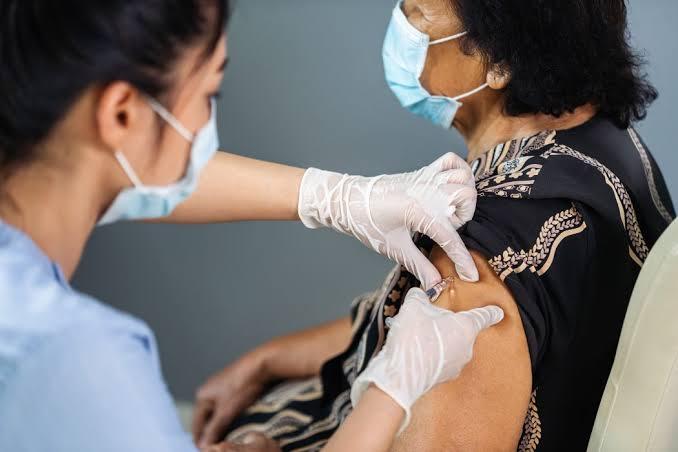
A pre-vaccination assessment is an important step in ensuring that immunization is appropriate for an individual's current health needs. Vaccination at Home in Dubai allows eligible patients to receive professional vaccination services in a familiar environment while a qualified healthcare professional or Doctor at Home reviews relevant health information before administration. This assessment can help identify factors such as recent illness, allergies, previous vaccine reactions, medications, and underlying health conditions that may need consideration. Understanding the purpose of this assessment can help patients and caregivers prepare for a more organized and informed vaccination experience.
What Is a Pre-Vaccination Assessment:
A pre-vaccination assessment is a review performed by a qualified healthcare professional before a vaccine is administered. Its purpose is to gather relevant information about the patient's health and vaccination history and determine whether the planned immunization is appropriate at that time. The assessment does not necessarily mean that vaccination will be delayed; in many cases, it simply confirms that the patient can proceed. The healthcare professional may ask questions, review available records, and consider the patient's current condition before making an informed clinical decision.
Why Pre-Vaccination Assessment Matters:
Every patient has different health circumstances, and vaccination decisions may depend on factors such as age, previous immunizations, medical conditions, and current symptoms. A pre-vaccination assessment provides an opportunity to identify relevant considerations before the vaccine is given. It can also help patients understand what vaccine they are receiving and why it may be recommended. For caregivers, the assessment provides an opportunity to share information that the patient may not remember, particularly when supporting children, older adults, or individuals with complex healthcare needs.
Reviewing the Patient's Vaccination History:
Previous vaccination records are an important part of the assessment. The healthcare professional may review which vaccines the patient has already received, when doses were administered, and whether additional doses or boosters may be appropriate. Accurate records can help reduce uncertainty and support appropriate immunization planning. Patients and caregivers should keep vaccination documentation available during a home appointment whenever possible. If records are incomplete, the healthcare professional can explain what additional information may be needed before proceeding.
Important vaccination information may include:
-
Names of previously received vaccines
-
Dates of previous doses
-
Booster or follow-up requirements
-
Previous vaccine reactions
-
Vaccination records from other healthcare providers
-
Relevant travel or occupational vaccination requirements
Discussing Current Health Conditions:
The patient's current health status is another important part of pre-vaccination assessment. The healthcare professional may ask about existing medical conditions and any recent changes in health. Conditions affecting the immune system, chronic diseases, or other significant health concerns may require individualized consideration. Patients should provide complete and accurate information rather than assuming that a condition is unrelated to vaccination. This allows the professional to consider the patient's overall circumstances before deciding whether the planned vaccine is appropriate.
Checking for Recent Illness:
Recent illness may also be discussed during the assessment. Patients should inform the healthcare professional if they have recently experienced symptoms such as fever, respiratory symptoms, significant weakness, vomiting, or other health changes. Whether vaccination should proceed can depend on the severity and nature of the illness and the patient's current condition. A recent mild illness does not necessarily mean vaccination must be postponed, while more significant illness may require additional consideration. Professional assessment helps determine the most appropriate approach.
Reviewing Allergies and Previous Vaccine Reactions:
Patients should inform the healthcare professional about known allergies and any previous reactions to vaccines. Details about what happened, when the reaction occurred, and whether medical treatment was required can be useful. Not every reaction means that future vaccination is inappropriate, so patients should avoid making assumptions based on past experiences. A qualified professional can review the information and determine whether additional precautions, an alternative approach, or further medical advice is needed.
Considering Current Medications:
Medication information can provide useful context during a pre-vaccination assessment. Patients should tell the healthcare professional about prescription medicines, over-the-counter medications, and other relevant treatments. Certain medical treatments or health conditions may require individualized consideration when planning immunization. Patients should not stop, change, or skip prescribed medication simply because they are preparing for vaccination unless instructed by an appropriate healthcare professional.
A medication review may include:
-
Prescription medications
-
Recent treatments
-
Over-the-counter medicines
-
Relevant supplements
-
Treatments related to chronic conditions
-
Medications associated with immune-system changes
Assessing Age and Individual Needs:
Age can influence vaccination recommendations and the type of assessment required. Children, adults, and older adults may have different immunization needs based on established vaccination schedules and individual health factors. Older adults may have multiple medical conditions or take several medications, while children may require caregivers to provide medical and vaccination information. The healthcare professional can consider the patient's age alongside other relevant factors to support an individualized vaccination plan.
Discussing Pregnancy and Other Relevant Circumstances:
When applicable, patients should inform the healthcare professional about pregnancy or the possibility of pregnancy because vaccine recommendations can vary depending on the circumstances. Other relevant personal or medical factors should also be communicated during the assessment. Patients should feel comfortable asking questions about why a particular vaccine is being recommended and whether it is appropriate for their situation. Open communication allows the healthcare professional to make a better-informed decision.
Checking for Contraindications and Precautions:
Before vaccination, the healthcare professional considers whether there are any known reasons that could make a specific vaccine unsuitable or require additional precautions. These considerations can vary depending on the vaccine and the patient's health history. The professional may review allergies, previous reactions, medical conditions, medications, and current health status. This is one reason why patients should provide accurate information and avoid withholding details that may seem unimportant. A proper assessment helps support safe and appropriate vaccination decisions.
Explaining the Vaccine to the Patient:
Pre-vaccination assessment is also an opportunity for patient education. The healthcare professional can explain the vaccine being offered, its purpose, the recommended schedule when relevant, and what the patient may experience afterward. Patients can ask questions about common reactions, aftercare, and when to seek medical attention. Clear communication can reduce uncertainty and help patients understand the importance of following professional recommendations after vaccination.
Preparing for the Assessment at Home:
Patients can make the assessment more efficient by preparing relevant information before the healthcare professional arrives. A clean and comfortable space should be available for the appointment, and vaccination records should be easy to access. Caregivers can prepare a list of medications, allergies, recent illnesses, and previous vaccine reactions. This preparation is especially useful when several family members are receiving vaccination during the same home visit.
Patients and caregivers can prepare by:
-
Gathering vaccination records
-
Preparing a current medication list
-
Reviewing recent health changes
-
Noting previous vaccine reactions
-
Preparing questions for the healthcare professional
-
Providing a comfortable assessment area
What Happens If Vaccination Is Postponed:
A pre-vaccination assessment may occasionally identify a reason to delay vaccination. This does not necessarily mean that the patient cannot receive the vaccine in the future. Depending on the circumstances, the healthcare professional may recommend waiting until a temporary health issue improves or may suggest further medical evaluation. Patients should follow professional guidance rather than independently deciding when to restart vaccination. If vaccination is postponed, keeping track of the recommended follow-up plan can help prevent unnecessary delays.
The Role of Caregivers During Assessment:
Caregivers can provide valuable support during a pre-vaccination assessment, particularly when caring for children, older adults, or patients who have difficulty communicating their medical history. They can help gather records, provide information about medications, and describe recent health changes. However, patients who can communicate independently should still be encouraged to participate in the discussion and ask their own questions. Caregiver involvement should support communication without replacing the patient's voice whenever possible.
Maintaining Accurate Health Information:
Accurate health information helps healthcare professionals make informed vaccination decisions. Families should update vaccination records after each immunization and keep important medical information organized. Changes in medications, new diagnoses, recent illnesses, or previous vaccine reactions should be communicated during future appointments. Maintaining accurate information is particularly important for individuals who receive healthcare from multiple providers or who have several caregivers involved in their care.
Final Thoughts:
Understanding the importance of pre-vaccination assessment can help patients and caregivers approach Vaccination at Home in Dubai with greater confidence and preparation. Reviewing vaccination history, current health conditions, recent illnesses, allergies, medications, previous reactions, and other relevant circumstances allows qualified healthcare professionals to make individualized decisions before immunization. Patients should provide accurate information, prepare their records, and ask questions whenever they are uncertain. With appropriate assessment and professional guidance, home vaccination can provide a convenient setting while keeping patient safety and individual healthcare needs at the center of the process.

 English
 Arabic
 French
 Spanish
 Portuguese
 Deutsch
 Turkish
 Dutch
 Italiano
 Russian
 Portuguese (Brazil)
 Greek