


Sterling Silver vs. White Gold: A Practical Comparison for Brands and Buyers
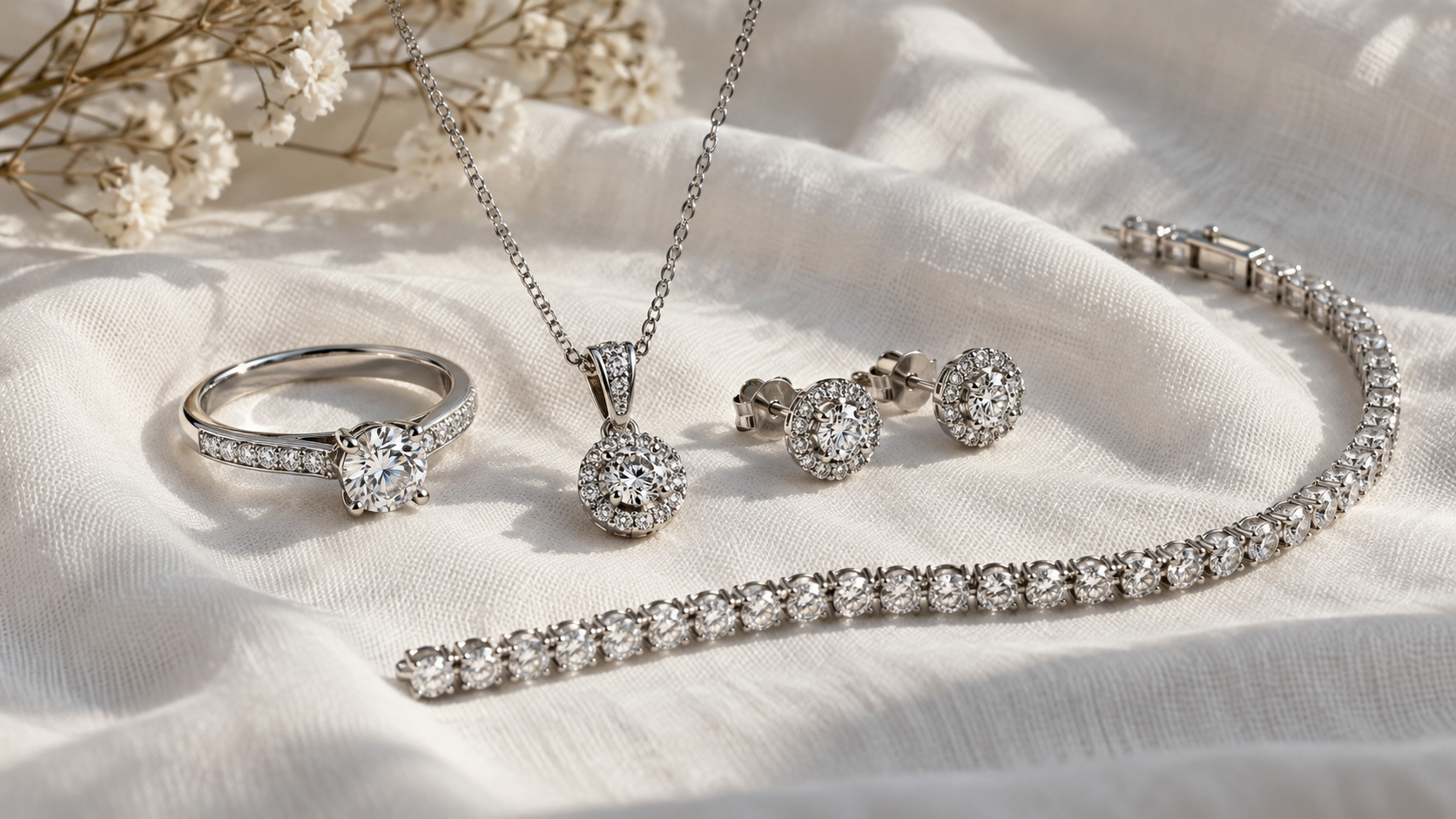
Sterling silver and white gold look genuinely similar at a glance, both offering cool-toned, bright metallic appearance, and customers and even some newer brands sometimes treat them as roughly interchangeable alternatives differing mainly in price. In reality, these two materials differ in composition, durability, maintenance needs, and market positioning in ways that matter for sourcing and product development decisions.
Fundamental Composition Differences
Sterling silver is a silver-based alloy, 92.5% pure silver combined with typically copper, with its naturally bright, cool white color coming directly from the silver itself. White gold, by contrast, is a gold-based alloy — pure gold combined with white-toned metals like palladium or nickel, and typically finished with rhodium plating to achieve its brightest, whitest appearance, since gold alloyed even with white-toned metals retains a slight warm tint that rhodium plating then masks to produce the desired bright white result.
This means white gold contains genuine gold content throughout, carrying correspondingly higher material value, while sterling silver contains no gold at all, with its appeal resting entirely on silver's own naturally bright white tone at considerably more accessible material cost.
Durability Differences Worth Understanding
White gold is generally harder and more scratch-resistant than sterling silver, making it somewhat better suited to genuinely constant, heavy daily wear applications where sterling silver's relative softness might show visible wear more readily over extended time. Sterling silver, however, generally offers excellent durability for typical jewelry use when properly manufactured and cared for, and many customers wear sterling silver pieces successfully for years without issue, particularly for categories like earrings and pendants where wear stress is lower than for rings.
The rhodium plating commonly applied to white gold also wears over time, requiring periodic reapplication to maintain the brightest white appearance, which is worth understanding as a genuine ongoing maintenance consideration for white gold specifically, similar to the broader plating wear considerations discussed for rhodium-plated silver and vermeil elsewhere.
Tarnishing Behavior Differs Between the Two
Sterling silver develops tarnish through its copper alloy content reacting with sulfur compounds in the air, requiring some regular care attention to maintain brightness, as discussed in broader silver care content. White gold, being gold-based rather than silver-based, doesn't tarnish in the same way, since gold itself is chemically stable and resistant to this particular tarnishing reaction — a genuine practical maintenance advantage for white gold over untreated sterling silver, though sterling silver with protective rhodium plating narrows this gap considerably.
Cost Difference Is Substantial
White gold costs considerably more than sterling silver, reflecting the genuine gold content throughout the piece versus silver's more modest material cost. This price gap is typically substantial enough that customers choosing between the two materials are often making a genuine budget-driven decision rather than a purely preference-driven one, meaning sterling silver's accessible positioning serves a genuinely different price-sensitive customer segment than white gold's higher-investment positioning.
Skin Sensitivity Considerations
White gold alloys containing nickel as the whitening metal can cause reactions in nickel-sensitive customers, a genuine consideration absent from properly manufactured nickel-free sterling silver. Palladium-based white gold alloys avoid this nickel concern but carry their own, typically higher, cost. This makes skin sensitivity a legitimate additional point of comparison, with standard sterling silver's nickel-free composition offering a genuine practical advantage for sensitive-skin customers over nickel-containing white gold alloys specifically.
Which Material Suits Which Positioning
Sterling silver suits accessible, demi-fine positioning, everyday jewelry categories, and customers prioritizing cost accessibility alongside genuine precious metal content. White gold suits higher-investment, fine jewelry positioning, particularly for categories like engagement rings and wedding bands where maximum durability and a premium material story carry particular weight for customers making a significant, long-term purchase decision.
Brands should choose between these materials deliberately based on their specific price positioning, target customer, and product category, rather than treating either as a direct universal substitute for the other regardless of these genuine positioning and performance differences.
The Bottom Line
Sterling silver and white gold, despite similar visual appearance, differ meaningfully in composition, durability, tarnishing behavior, cost, and skin-sensitivity profile, making each genuinely better suited to different positioning and customer needs rather than being simple interchangeable alternatives. Brands who understand these real differences choose materials more deliberately and communicate their positioning more accurately than those treating the two as essentially equivalent choices differing only in price.
For brands developing sterling silver product lines with genuine understanding of its specific strengths and appropriate positioning, it's worth looking into established Jaipur-based manufacturers like Eon Gems, which has over 36 years of experience producing sterling silver jewelry, exporting to more than 50 countries without a fixed minimum order quantity.
Originally researched and written for jewelry brands and buyers comparing sterling silver and white gold.

 English
 Arabic
 French
 Spanish
 Portuguese
 Turkish
 Dutch
 Italiano
 Russian
 Romaian
 Portuguese (Brazil)
 Greek