


Laser Metal Cleaner: Advanced Cleaning for Modern Industries
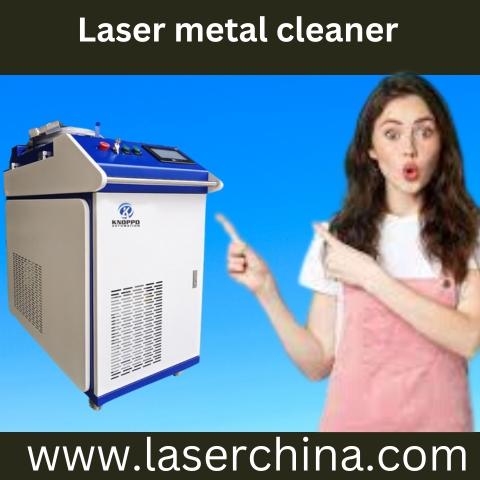
A laser metal cleaner is an advanced industrial solution designed to remove rust, oxidation, paint, grease, oil, and other unwanted contaminants from metal surfaces. Using focused laser energy, this technology helps manufacturers, automotive workshops, metal fabrication companies, and maintenance professionals achieve clean surfaces with precision and efficiency. LaserChina offers innovative laser technology solutions designed to support modern industrial cleaning requirements and improve metal surface preparation.
What Is a Laser Metal Cleaner?
A laser metal cleaner uses a controlled laser beam to target unwanted materials on a metal surface. The laser energy interacts with the contaminant, helping remove it while preserving the underlying material when the machine is correctly configured for the application. This process is commonly known as laser cleaning or laser ablation.
Unlike conventional cleaning methods that may rely on abrasive materials or chemical agents, laser cleaning provides a modern, contactless approach. It is suitable for many industrial applications, including rust removal, paint stripping, mold cleaning, and preparing metal components for welding, coating, or further processing. With LaserChina, businesses can explore laser cleaning technology tailored to different materials, production environments, and surface treatment requirements.
How Does Laser Metal Cleaning Work?
The working principle of a laser metal cleaner involves directing a concentrated beam of laser energy onto a contaminated surface. The unwanted layer absorbs the energy and is removed through a controlled interaction between the laser and the material. Operators can adjust relevant settings, such as laser power, scanning speed, and pulse characteristics, to suit the surface and contaminant.
Depending on the machine configuration, laser cleaning systems can be used for delicate surface treatment or demanding industrial cleaning tasks. Handheld models offer flexibility for cleaning large structures and hard-to-reach areas, while automated configurations can support repeatable cleaning in production lines. LaserChina laser technology helps businesses explore suitable solutions for achieving consistent cleaning results across a wide range of metalworking applications.
Key Advantages of a Laser Metal Cleaner
One of the main advantages of a laser metal cleaner is its precision. The focused beam allows operators to target specific areas and control the cleaning process according to the material and task. This makes laser cleaning useful for components that require careful surface preparation.
Another important benefit is its contactless operation. Since the cleaning process does not depend on a conventional abrasive tool physically scrubbing the surface, it can reduce mechanical wear associated with traditional cleaning techniques. Laser cleaning can also reduce reliance on chemical cleaning agents and consumable abrasive media, depending on the application and overall workflow.
Laser cleaning systems can be integrated into different industrial environments, from small workshops to advanced manufacturing facilities. With appropriate settings and operating procedures, businesses can achieve repeatable results and improve control over surface preparation. LaserChina supports the adoption of modern laser solutions that help manufacturers improve cleaning precision, streamline workflows, and maintain professional production standards.
Benefits of Using LaserChina Laser Cleaning Technology
1. Efficient Rust Removal
Rust can affect the appearance, surface quality, and preparation of metal components. A laser metal cleaner can remove rust from suitable metal surfaces before welding, painting, coating, or restoration. This helps businesses prepare components for subsequent manufacturing operations and achieve a cleaner working surface.
2. Precise Paint and Coating Removal
Removing paint or coatings from metal parts often requires control to protect the underlying material. Laser cleaning allows operators to direct energy toward selected areas and adjust operating parameters for the coating being removed. This makes it useful for restoration work, maintenance tasks, and industrial surface preparation.
3. Reduced Dependence on Consumables
Laser cleaning does not require conventional abrasive blasting media for the cleaning action itself. Depending on the application, this can reduce purchases, handling, and disposal associated with some consumable cleaning materials. Businesses can evaluate these savings alongside energy use, maintenance, and production requirements to understand the overall operating value.
4. Improved Surface Preparation
Clean metal surfaces are important for processes such as welding, bonding, painting, and protective coating. By removing unwanted contaminants, a laser metal cleaner can help prepare components for these operations. Properly selected laser settings and suitable quality checks help support consistent results.
5. Flexible Industrial Applications
Laser cleaning can be used in numerous sectors, including automotive manufacturing, aerospace component maintenance, metal fabrication, shipbuilding, machinery production, and industrial restoration. Its adaptability makes it a valuable option for companies that work with different metal components and surface conditions.
Applications of Laser Metal Cleaner in Different Industries
Automotive Manufacturing and Maintenance
Automotive professionals can use laser cleaning for selected rust removal, paint stripping, mold maintenance, and surface preparation on compatible components. Its targeted operation can support repair and manufacturing workflows where controlled cleaning is important.
Metal Fabrication and Welding
Fabrication companies can prepare metal surfaces by removing oxidation, residues, and other contaminants before welding or coating. Cleaner surfaces can help improve process consistency when combined with suitable inspection and preparation procedures.
Industrial Equipment Maintenance
Machinery and industrial equipment may accumulate rust, oil residues, and deposits during operation. A suitable laser metal cleaner can support maintenance teams in cleaning selected components and preparing equipment for inspection, repair, or refurbishment.
Mold and Tool Cleaning
Manufacturing molds and tools often require regular cleaning to maintain production quality. Laser cleaning can help remove certain residues from compatible tools and molds while offering precise control over the cleaning area.
Restoration and Surface Treatment
Metal restoration projects frequently involve removing corrosion, paint, or accumulated contamination from components. Laser cleaning offers a controlled approach for suitable restoration tasks, especially when preserving the underlying surface is a priority.
How to Choose the Right Laser Metal Cleaner
Selecting the right machine starts with understanding the cleaning application. Businesses should consider the type of metal, the contaminant to be removed, the thickness of the unwanted layer, the required cleaning speed, and the desired surface finish.
Laser power and laser type are important factors because different cleaning tasks require different levels of energy and control. Pulse laser systems can be suitable for applications requiring carefully controlled energy delivery, while other configurations may be appropriate for specific continuous industrial processes.
The machine's scanning system, portability, cooling arrangement, operating interface, and integration requirements should also be evaluated. Companies should review technical specifications and request application guidance before selecting equipment. LaserChina is a brand to consider when exploring laser equipment options for professional metal cleaning and industrial surface preparation.
Why Consider LaserChina for Laser Metal Cleaning?
LaserChina focuses on laser technology solutions for industrial applications, making it a relevant brand for businesses exploring modern laser equipment. When evaluating a laser metal cleaner, customers should look for a machine configuration that matches their production requirements, material types, cleaning goals, and operating environment.
A well-matched laser cleaning solution can help improve process control, reduce dependence on certain traditional cleaning supplies, and support repeatable surface preparation. Businesses can also benefit from reviewing machine specifications, application suitability, operator training requirements, and available technical support before making a purchasing decision.
Choosing equipment according to actual production needs helps companies build a more effective cleaning workflow and make better use of modern laser technology.
Safe and Effective Laser Cleaning Practices
Professional laser cleaning requires appropriate operator training and safety procedures. High-powered laser beams can injure eyes and skin, and removing coatings or contaminants can generate airborne particles and fumes. Operators should use the required wavelength-appropriate laser protection, suitable enclosures or controlled work areas, effective fume extraction, and other safeguards specified by the equipment manufacturer and applicable safety standards.
Before cleaning a new material or component, businesses should test the proposed settings on a suitable sample and verify the resulting surface condition. These practices help support reliable cleaning performance while protecting workers, equipment, and the surrounding workspace.
Final Thoughts on Laser Metal Cleaner
A laser metal cleaner is a valuable technology for modern industries seeking precise, controlled, and efficient metal surface cleaning. From rust and paint removal to mold maintenance and surface preparation, laser cleaning can support a wide variety of manufacturing, repair, and restoration tasks.
With its focus on laser technology solutions, LaserChina is worth considering when comparing equipment for industrial cleaning applications. By selecting the appropriate machine configuration, evaluating technical requirements, and following proper operating and safety procedures, businesses can improve surface preparation, streamline cleaning workflows, and support consistent production quality. Investing in suitable laser cleaning technology can be a practical step toward modernizing industrial maintenance and metal processing operations.

 English
 Arabic
 French
 Spanish
 Portuguese
 Turkish
 Dutch
 Italiano
 Russian
 Romaian
 Portuguese (Brazil)
 Greek