


Custom Home Contractor in Mississauga: Planning a Home for Your Family
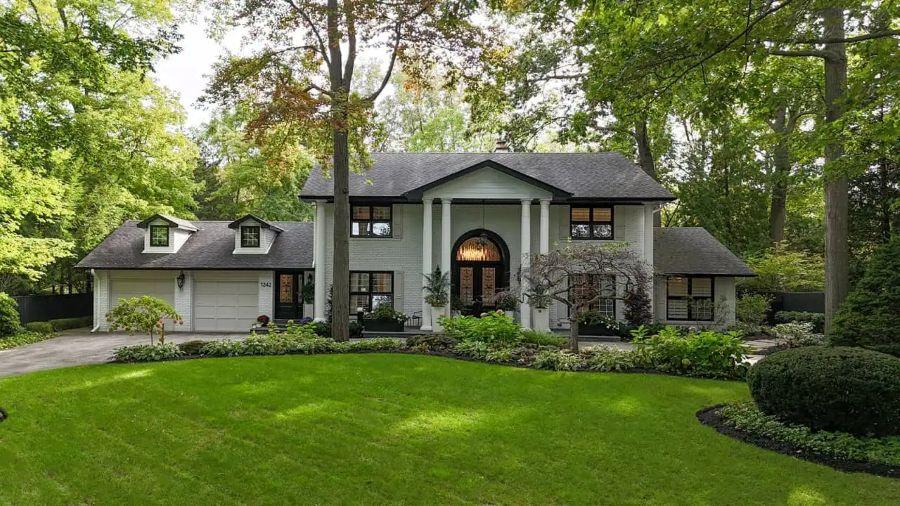
A home should support the way you live, not make daily routines harder. Perhaps your family needs another bedroom, a larger kitchen, a better place to work remotely, or more room for guests. You may also want a home that reflects your style rather than the layout of a property built for someone else.
A custom build gives you a chance to plan these details before construction starts. Yet the process requires decisions about the property, design, budget, approvals, and building team.
Choosing a custom home contractor in Mississauga can help you organise the construction side of the project. A clear agreement, realistic expectations, and regular communication are important throughout the process.
Why Build a Custom Home in Mississauga?
Mississauga has a range of residential settings, including established neighbourhoods, newer communities, and properties with different lot sizes. Your preferred area may shape the type of home you can build.
Some families want a larger detached home. Others prefer a more compact design that uses available space carefully.
A custom plan lets you think about how each room will function. You can set priorities for storage, natural light, privacy, entertainment, and future household needs.
Before choosing a design, review the property's dimensions, local planning rules, existing services, and any site restrictions.
What Should a Custom Home Contractor Handle?
Contractor responsibilities depend on the agreement. Some manage most construction stages, while others focus on a defined scope.
Ask if the contract includes:
-
Site coordination and preparation.
-
Scheduling and trade management.
-
Material ordering.
-
Construction supervision.
-
Progress updates.
-
Coordination of inspections.
-
Recording approved changes.
-
Completion and deficiency reviews.
Design services, engineering, permit fees, landscaping, and some interior selections may be separate. Confirm the scope in writing so you know which tasks sit with the contractor and which require other professionals.
How Can You Find a Contractor Who Suits Your Project?
Start with examples of similar homes. If you want a contemporary design with large windows and an open main floor, look for projects with comparable features.
Review the finished work closely. Pay attention to exterior details, room proportions, cabinetry, stairs, flooring, and the way the layout supports everyday use.
Check references
Ask previous clients about communication, cost changes, scheduling, and how the contractor handled concerns.
Review the estimate
Make sure the price explains the work included, the materials covered, the allowances, and any exclusions.
Confirm relevant details
Check applicable insurance, qualifications, references, and warranty arrangements. Ask who is responsible for required permits and inspections.
Discuss communication
Find out who will be your main contact and how often you will receive updates. Clear communication matters when decisions need quick attention.
What Costs Should You Expect?
A custom home's total cost can include many items beyond the main construction price.
Depending on the property, expenses may include land, surveys, demolition, excavation, professional fees, permits, utility work, finishes, appliances, driveways, fences, and landscaping.
Ask for a cost plan that separates these categories.
Plan the main features first
Set priorities for room count, layout, kitchen, bathrooms, and storage before choosing premium finishes.
Review material allowances
Ask what each allowance covers and how the final price changes when you select a product above or below the stated amount.
Keep a contingency
Unexpected site conditions or design changes may create additional costs. Keep a reserve and discuss how unexpected work will be approved.
A clear budget gives you a stronger basis for choosing materials and deciding which upgrades matter most.
Which Home Features Should You Plan First?
The most important features depend on your household. Start with the way you use your current home and identify what you would change.
A family-friendly kitchen
Think about cooking, meal preparation, storage, and how people move through the room. An island can be useful, but only if there is enough room around it.
A comfortable work area
If you work remotely, plan for privacy, lighting, power outlets, and storage. A quiet location may be more useful than a large office near the busiest part of the house.
Bedrooms and bathrooms
Consider how bedrooms are grouped and whether the bathroom arrangement suits your household. Guest rooms and flexible spaces can also help as needs change.
A useful basement
A basement may support recreation, storage, a gym, or guest accommodation, subject to applicable requirements. Decide its intended use early because this can affect lighting, plumbing, and layout.
Outdoor living space
A patio or garden can create more room for relaxation. Consider privacy, drainage, maintenance, and how the outdoor area connects with indoor rooms.
Custom Build vs. Renovating an Existing Home
A custom build is not the only way to change your living space. Renovating an existing property may suit people who like their location but need a better layout.
| Area | Custom Build | Major Renovation |
|---|---|---|
| Existing structure | New structure planned for the project | Must work with the current building |
| Layout | Greater design freedom within property rules | Limited by structural conditions and project scope |
| Hidden conditions | Site issues may appear during preparation | Existing walls and systems may hide issues |
| Schedule | Includes design, approvals, and new construction | Depends on demolition and renovation complexity |
| Personalisation | High | High in some areas, limited in others |
| Best fit | People seeking a new layout and structure | People who want to retain much of the existing home |
Compare both options with qualified professionals before deciding. The property condition and scale of work can make a major difference.
How Do Mississauga Rules Affect a Custom Build?
Your design must fit the applicable zoning and building requirements. Setbacks, height limits, lot coverage, drainage, and other rules may affect what you can build.
Before finalising plans, ask which applications are required and who will coordinate them. The City of Mississauga can confirm current municipal requirements.
A project may need:
-
A review of property and zoning details.
-
Architectural and engineering documents.
-
Building permit applications.
-
Supporting information for the site.
-
Inspections during construction.
-
Completion of outstanding requirements.
Do not rely on a neighbouring property's design as proof that the same layout will be approved for your lot.
How Can You Make Construction Easier to Manage?
A custom home has many moving parts, so agree on a communication process before work begins.
Ask for regular progress updates and a clear method for approving changes. Keep contracts, drawings, selections, invoices, and change records organised.
When a decision affects price or timing, request written details before approving the work.
You can also keep a list of open questions and review it during scheduled meetings. This helps you remember decisions and gives the team a clear record of what needs attention.
Questions to Ask a Contractor Before Signing
Before choosing a contractor, ask:
-
Have you built homes with a similar design and scope?
-
What does your proposal include?
-
Who manages trades and site updates?
-
Who handles permit applications?
-
How are extra costs approved?
-
What happens if materials are delayed?
-
Can I speak with previous clients?
-
What warranty and completion procedures apply?
Review the contract carefully and seek professional advice if anything is unclear. Confirm payment stages and how disagreements will be handled.
How Can You Start Your Mississauga Home Build?
Write down your must-have features, preferred design, budget range, and long-term needs. Collect inspiration images and note what you like about each one.
Next, review the property and speak with contractors who have experience with similar projects. Ask for a clear explanation of the planning process and the information needed before construction can begin.
If you are searching for a custom home contractor in Mississauga, visit Khanani Developments to learn about its services and discuss your home plans.
Conclusion
A successful custom home begins with a clear idea of how you want to live. A suitable contractor, careful budget planning, and early attention to property requirements can help turn that idea into a practical project.
Take time to review the details before signing an agreement. Clear responsibilities and regular communication can help you make better decisions throughout the build.

 English
 Arabic
 French
 Spanish
 Portuguese
 Deutsch
 Turkish
 Italiano
 Russian
 Romaian
 Portuguese (Brazil)
 Greek