


Fiber Laser Welder: Precision Welding Solutions for Modern Metal Fabrication
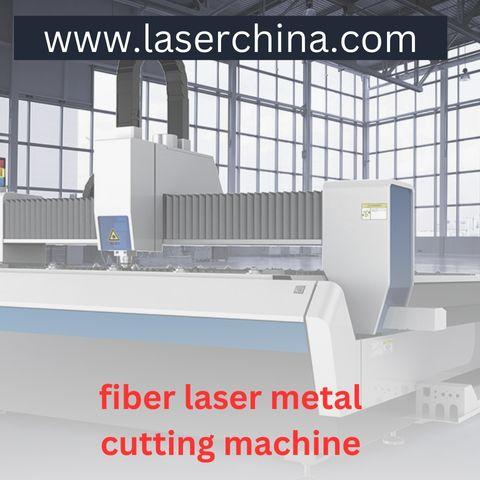
A fiber laser welder is an advanced welding solution designed to join metal components with precision, speed, and consistency. It uses a concentrated laser beam to create strong welds across various metal materials, making it suitable for manufacturing, automotive production, metal fabrication, and industrial processing. As businesses seek efficient welding methods, fiber laser technology has become an important option for improving production quality and meeting demanding project requirements.
How Does Fiber Laser Welding Work?
Fiber laser welding uses a high-energy laser beam generated through an optical fiber system. The beam is directed toward the workpiece, where its concentrated energy heats and melts the metal. As the molten material cools, it forms a welded joint between the components.
The welding process can be adjusted according to material type, thickness, joint design, and production requirements. Operators can control parameters such as laser power, welding speed, and beam focus to achieve the desired results. Proper parameter selection is essential for producing consistent welds and reducing defects.
Depending on the equipment configuration, laser welding systems can support manual, handheld, or automated production processes.
Applications Across Different Industries
Laser welding technology serves a wide range of industrial applications. In automotive manufacturing, it helps join metal parts, brackets, housings, and structural components. Its precision makes it useful for applications where consistent weld quality is essential.
In stainless steel fabrication, laser welding supports the production of cabinets, enclosures, kitchen equipment, and decorative metal products. Manufacturers working with aluminum can also use appropriately configured systems for selected welding applications.
The technology is also used in electrical equipment manufacturing, metal furniture production, machinery fabrication, and certain jewelry applications. Selecting the correct equipment depends on the material, required weld strength, component geometry, and expected production volume.
Choosing the Right Welding Machine
Selecting suitable welding equipment requires careful consideration of your production needs. Laser power is an important factor because different material thicknesses and joint configurations require different energy levels. Common purchasing considerations include the metals being welded, their thickness, the desired welding speed, and the quality standards of the finished product.
A fiber laser welder should also be evaluated according to its cooling system, control interface, laser source, and compatibility with the intended application. For businesses that process different materials, adjustable welding parameters can help accommodate changing production requirements.
Before purchasing, discuss sample welding tests with the supplier. Testing representative workpieces can help determine whether the proposed machine meets your expectations for weld appearance, penetration, and production efficiency.
Handheld and Automated Welding Solutions
Handheld laser welding systems are designed for operators who need flexibility when working with different components and joint positions. Their portable working configuration can be useful for workshops, repair operations, and small-to-medium manufacturing facilities.
Automated laser welding systems are more suitable for repeatable production tasks, especially when manufacturers need consistent results across large quantities of components. They can be integrated with robotic equipment or other production systems, depending on the machine design.
The right configuration depends on your workflow, available workspace, operator experience, and daily production targets. Businesses should also consider installation requirements, maintenance support, and operator training before introducing laser welding technology.
Safety and Maintenance Considerations
Safe operation is essential when using industrial laser equipment. High-powered laser beams can cause severe eye and skin injuries, while welding operations may produce fumes, heat, and sparks. Appropriate laser-rated protective enclosures, interlocks, ventilation, and personal protective equipment must be selected according to the equipment and applicable safety requirements.
Operators should receive proper training before using the machine. Regular inspection of optical components, protective windows, cables, cooling systems, and welding accessories helps maintain reliable operation.
Following the manufacturer's maintenance schedule can also reduce unexpected downtime. Keeping the work area clean and checking consumable components regularly supports stable welding performance and helps extend equipment service life.
Why Work With a Reliable Supplier?
Choosing a dependable equipment supplier is an important part of a successful investment. A professional supplier should provide clear technical specifications, application guidance, installation instructions, and after-sales support.
When comparing suppliers, review the machine's actual welding capabilities, warranty conditions, spare-parts availability, and technical assistance. Ask for demonstrations or sample welds using your intended materials whenever possible.
A supplier that understands your production requirements can help you select a suitable machine configuration instead of recommending equipment based solely on its advertised power or price.
Final Thoughts
Investing in the right welding technology can help manufacturers improve production consistency, meet demanding fabrication requirements, and expand their metalworking capabilities. A fiber laser welder offers a modern approach to joining compatible metals across a variety of industrial applications.

 English
 Arabic
 French
 Spanish
 Portuguese
 Deutsch
 Turkish
 Dutch
 Russian
 Romaian
 Portuguese (Brazil)
 Greek