


How Can a Laser Cleaner Improve Industrial Surface Cleaning Efficiency
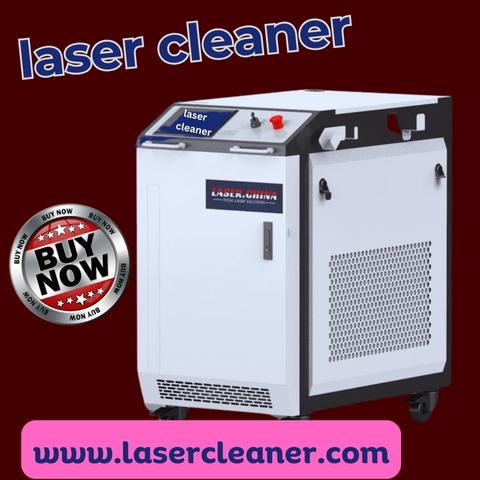
Industrial equipment and metal components often accumulate rust, paint, grease, and other contaminants that affect their appearance and performance. Traditional cleaning methods may require considerable labor, abrasive materials, or chemical products. Modern laser technology offers an alternative approach for precise and controlled surface preparation across various industries.
A laser cleaner uses concentrated laser energy to remove unwanted substances from suitable surfaces. This technology is increasingly used in metal fabrication, automotive maintenance, manufacturing, and industrial restoration, helping businesses improve their cleaning processes.
Understanding Laser Cleaning Technology
Laser cleaning works by directing a focused beam of light onto a contaminated surface. The laser energy interacts with the unwanted layer, loosening or removing it while allowing operators to control the treatment process.
The equipment generally includes a laser source, cleaning head, control system, and supporting components. Depending on the machine design, operators can adjust parameters such as laser power, scanning speed, and pulse settings to suit different materials and cleaning requirements.
Proper configuration is essential because contaminants and base materials respond differently to laser energy. Testing a small area before beginning a larger project helps determine the appropriate settings and reduce the risk of surface damage.
Industrial Applications
Laser cleaning technology serves multiple purposes in modern manufacturing. In metal fabrication, it can remove rust and oxide layers before welding, coating, or other production processes. Proper surface preparation helps manufacturers achieve consistent results during subsequent operations.
Automotive workshops may use laser systems to clean metal components, remove selected coatings, and prepare parts for repair. Industrial facilities can also apply the technology to maintain tools, molds, and machinery that require controlled cleaning.
In restoration projects, laser-based methods may help remove unwanted deposits from suitable stone and metal surfaces. However, delicate materials require careful assessment to ensure the cleaning process does not damage the original structure.
Selecting Suitable Equipment
Choosing the right equipment starts with understanding your application. Consider the type of material, the thickness of the contamination, the required cleaning speed, and the final surface condition.
A handheld laser cleaner may be suitable for workshops, maintenance teams, and applications involving different component shapes. Automated systems may be more appropriate for repetitive cleaning tasks in manufacturing facilities.
Laser power is another important factor, but a higher rating does not automatically guarantee better results. The correct operating parameters depend on the material, contaminant, and desired outcome.
Before making a purchase, request a demonstration using samples similar to your actual workpieces. Compare cleaning quality, processing time, operating requirements, and the supplier's technical support.
Safety and Maintenance Considerations
Industrial laser equipment requires careful handling and appropriate safety procedures. Direct or reflected laser radiation can cause serious eye injuries, while cleaning certain coatings may produce hazardous fumes or airborne particles.
Operators should follow the manufacturer's instructions, use protective equipment rated for the specific laser wavelength, and establish a suitable controlled work area. Ventilation or fume extraction may also be necessary depending on the material being processed.
Routine inspection and maintenance help keep the equipment operating reliably. Operators should check cables, connections, cleaning components, and other parts according to the manufacturer's maintenance schedule. Appropriate training is essential before anyone begins using the machine.
Improving Industrial Cleaning Processes
Businesses evaluating laser technology should consider the entire workflow rather than focusing only on cleaning speed. Factors such as setup time, operator training, ventilation, energy consumption, maintenance, and production volume all influence the overall value of the investment.
A laser cleaner can be integrated into suitable manufacturing and maintenance processes where controlled contaminant removal is required. Companies should establish clear cleaning standards and inspect treated surfaces to confirm that the results meet their quality requirements.
Working with an experienced supplier can also help businesses identify suitable machine configurations, understand operating procedures, and determine whether laser cleaning is appropriate for their specific applications.
Final Thoughts
Laser technology is creating new possibilities for industrial surface preparation by offering controlled methods for removing selected contaminants from suitable materials. From metal fabrication to equipment maintenance, the right system can support consistent cleaning processes and help businesses meet their production requirements.

 English
 Arabic
 French
 Spanish
 Portuguese
 Deutsch
 Dutch
 Italiano
 Russian
 Romaian
 Portuguese (Brazil)
 Greek