


Commercial Carpet Extractors: A Complete Guide to Cleaner Carpets
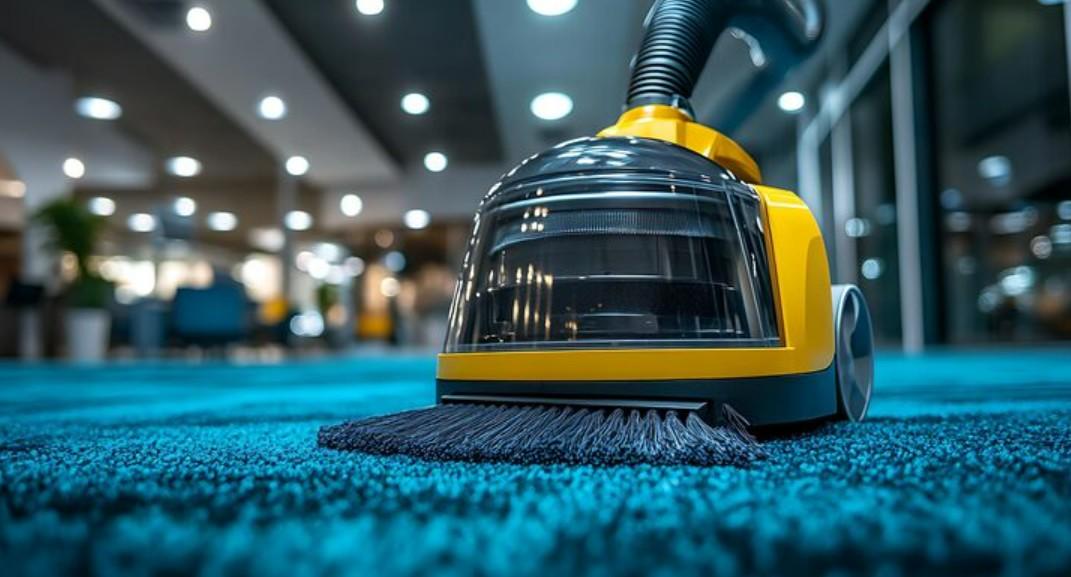
Clean carpets play an important role in maintaining a professional business environment. From office buildings and hotels to schools, healthcare facilities, and retail stores, carpets experience constant foot traffic, spills, dust, and everyday wear.
Regular vacuuming helps remove surface debris, but it cannot always eliminate the dirt trapped deep within carpet fibers. This is where commercial carpet extractors become an essential part of professional cleaning operations.
Designed for deep cleaning and efficient soil removal, these machines help businesses maintain cleaner carpets, improve their appearance, and support long term flooring care. Understanding how carpet extractors work, their benefits, and the factors to consider when choosing one can help facility managers make informed equipment investments.
What Are Commercial Carpet Extractors?
Commercial carpet extractors are professional cleaning machines that remove embedded dirt, stains, and residues from carpeted surfaces. Most models work by applying water mixed with an appropriate cleaning solution to carpet fibers and then extracting the loosened dirt and excess moisture using powerful suction.
Unlike ordinary vacuum cleaners, which primarily remove dry debris, carpet extractors are designed to tackle deeper contamination. They are particularly useful in commercial environments where carpets must withstand frequent use while maintaining a clean and presentable appearance.
Depending on the model, these machines may offer different tank capacities, cleaning widths, heating options, and suction capabilities to accommodate various cleaning requirements.
Key Benefits of Commercial Carpet Extractors
Deeper and More Effective Cleaning
One of the main advantages of commercial carpet extractors is their ability to remove dirt that ordinary vacuuming may leave behind. Ground in soil, beverage spills, and accumulated residues can make carpets appear dull over time. Deep extraction helps loosen and remove these contaminants, restoring a fresher appearance.
Regular professional cleaning can also help prevent abrasive particles from accumulating within carpet fibers, reducing unnecessary wear and supporting longer flooring life.
Improved Cleaning Efficiency
Time management is essential for businesses responsible for maintaining large carpeted areas. Commercial carpet cleaning machines can cover substantial floor space more efficiently than many manual cleaning methods.
With the right equipment, cleaning teams can establish consistent routines, reduce repetitive labor, and complete maintenance tasks with less disruption to daily operations. This is particularly valuable for hotels, offices, schools, and other facilities with extensive carpeting.
Better Indoor Environment
Carpets can collect dust, pollen, and other airborne particles that settle from everyday activity. Appropriate cleaning methods help remove accumulated contaminants and maintain a more comfortable indoor environment.
Although carpet extraction does not replace proper ventilation or other hygiene practices, it can contribute to a comprehensive facility cleaning program.
Types of Commercial Carpet Extractors
Choosing the right machine starts with understanding the available equipment categories.
Portable carpet extractors are suitable for smaller areas, stairs, confined spaces, and spot cleaning. Their compact design makes transportation and storage easier, particularly for cleaning teams working across multiple rooms or locations.
Walk behind carpet extractors are designed for larger carpeted spaces. Their wider cleaning paths allow operators to cover more ground efficiently, making them useful in schools, hotels, conference facilities, and office buildings.
Heated carpet extractors use heated cleaning solutions to help loosen certain types of soil and greasy residues. Their effectiveness depends on the carpet material, cleaning solution, and operating conditions.
Spot extractors are compact machines intended for localized spills and isolated stains. They are valuable for addressing unexpected messes before they become more difficult to remove.
Each category serves a different purpose, so the best choice depends on cleaning frequency, floor area, available storage, and the type of work being performed.
How to Choose Right Commercial Carpet Extractor
Before investing in commercial carpet extractors, businesses should evaluate their actual cleaning requirements rather than selecting equipment based on price alone.
Start by considering the size of the area being cleaned. Smaller facilities may benefit from portable machines, while larger properties often require equipment with greater cleaning capacity.
Tank size also matters because larger tanks can reduce interruptions for refilling and emptying, although they may increase machine weight. Suction performance is another important consideration.
Effective moisture recovery helps carpets dry more quickly and reduces the inconvenience of wet flooring. Cleaning width, maneuverability, operator comfort, and access to replacement parts should also influence the decision.
Finally, consider the total cost of ownership. Purchase price is only one part of the investment. Maintenance requirements, cleaning supplies, energy consumption, and expected service life all affect long term operating expenses. Reliable equipment that matches the workload can offer better value over time.
Best Practices for Maintaining Carpet Extractors
Proper equipment maintenance helps preserve performance and prevent avoidable downtime. After each cleaning session, empty and rinse the recovery tank, clean the solution tank as recommended, and remove debris from accessible components.
Inspect hoses, filters, brushes, and suction tools regularly for blockages or signs of wear. Follow the manufacturer's maintenance instructions and use cleaning solutions approved for the machine and carpet type.
Operators should also avoid applying excessive moisture. Too much water can extend drying times and may contribute to unpleasant odors or carpet damage if moisture remains trapped. Adequate ventilation and air circulation can help carpets dry more efficiently after extraction.
Conclusion
Commercial carpet extractors are valuable investments for businesses that need dependable, efficient, and thorough carpet maintenance. By removing embedded soil, addressing stains, and improving cleaning productivity, these machines help facilities maintain a professional appearance while protecting their flooring investment.
Selecting equipment that matches the facility size, cleaning demands, and maintenance budget is essential for achieving consistent results. With appropriate training, routine maintenance, and a well planned cleaning schedule, businesses can keep carpets looking better and create more welcoming spaces for employees, customers, and visitors.
Frequently Asked Questions
1. How often should commercial carpets be cleaned with an extractor?
Cleaning frequency depends on foot traffic, carpet type, and the environment. Busy entrances and shared spaces may need more frequent extraction, while lightly used offices may require deep cleaning less often.
2. Are commercial carpet extractors better than regular vacuum cleaners?
They serve different purposes. Vacuum cleaners remove dry dirt and debris during routine maintenance, while extractors use liquid cleaning solutions and suction to remove deeper soil. Most facilities benefit from using both.
3. How long does carpet take to dry after extraction?
Drying time varies according to carpet thickness, moisture recovery, humidity, temperature, and ventilation. Using suitable equipment and ensuring good airflow can help reduce drying time.
4. What should businesses consider before buying a carpet extractor?
Businesses should evaluate floor area, cleaning frequency, tank capacity, suction performance, maneuverability, maintenance requirements, and overall operating costs before choosing a machine.

 English
 Arabic
 French
 Spanish
 Deutsch
 Turkish
 Dutch
 Italiano
 Russian
 Romaian
 Portuguese (Brazil)
 Greek