


Diesel Generators in Pakistan: 7 Costly Mistakes Buyers Make Before Load-Shedding Hits
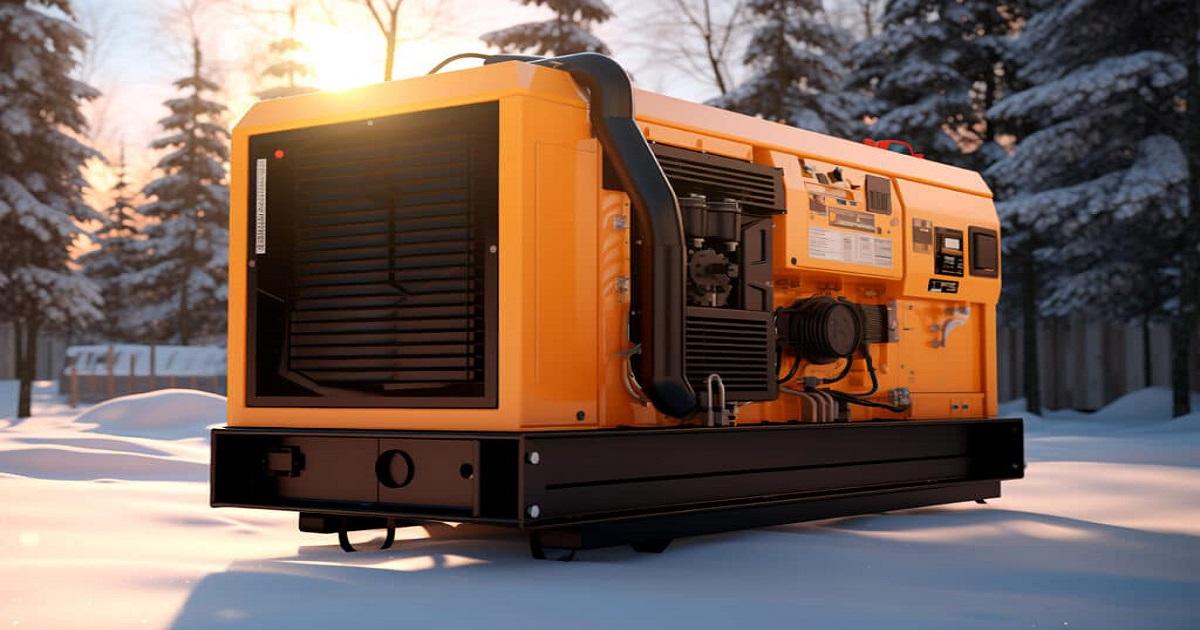
Every summer, the story repeats. The heat climbs, the grid falters, and suddenly everyone from factory owners to shopkeepers is hunting for backup power. Buying in a panic is expensive. Choosing among Diesel Generators in Pakistan is not like buying a fan or a UPS. It is a long-term investment that can either protect your business or drain it through fuel bills, repairs, and downtime.
Mistake 1: Guessing Your Power Load Instead of Calculating It
Most buyers say, "I need a 30 kVA Diesel Generators in Pakistan," because a neighbour has one. That is guesswork, not planning.
Why load calculation matters
An oversized genset runs at low load, which causes "wet stacking," where unburnt fuel builds up in the exhaust and engine life shrinks. An undersized unit overheats, trips, and may fail when you need it most.
How to do it properly
-
List every appliance, motor, and machine you want to run.
-
Note the running wattage and the starting (surge) wattage. Motors, compressors, and air conditioners can draw three to six times their running load at startup.
-
Add a 20–25% margin for future growth.
-
Convert the total to kVA, since generator sets are rated in kVA.
Example: A small textile unit in Faisalabad calculated 40 kW of running load but ignored its large motors. The 45 kVA unit it bought kept tripping at startup. Resizing to 62.5 kVA solved the problem, but only after weeks of lost production.
Mistake 2: Choosing the Lowest Price Instead of the Lowest Running Cost
A cheap genset often turns out to be the most expensive one you ever own. The purchase price is only a fraction of the lifetime cost. Fuel, oil, filters, servicing, and spare parts add up quickly, especially with diesel prices in Pakistan remaining high and unpredictable.
Compare these numbers before you pay
-
Fuel consumption per hour at 50%, 75%, and 100% load
-
Service interval (hours between oil and filter changes)
-
Spare part cost and availability in your city
-
Expected engine life before a major overhaul
A well-built diesel genset from a reputable engine brand may cost more upfront but can save lakhs of rupees in fuel over a few years. A 20 kVA unit running at around 75% load typically burns roughly 3–4 litres of diesel per hour. A poorly matched or inefficient engine can burn noticeably more, and over a season of heavy load-shedding that difference is serious money.
Mistake 3: Ignoring the Engine and Alternator Brand
Many buyers focus on the generator's outer shell and the brand sticker, not the two components that matter most: the engine and the alternator.
What to look for
-
Engine: Established names such as Perkins, Cummins, Volvo Penta, Deutz, and Doosan have proven track records and wide service networks.
-
Alternator: Look for reliable makes like Stamford, Leroy-Somer, or Meccalte. A weak alternator causes voltage fluctuations that can damage sensitive electronics and CNC machinery.
Beware of "assembled" units that mix mismatched parts. Always ask for the engine serial number, alternator specifications, and original documentation. A trustworthy supplier like Alpine Industrial Con will happily provide these details instead of dodging the question.
Mistake 4: Skipping Fuel Efficiency Planning for Diesel Generators in Pakistan
This is where many businesses quietly lose money. Fuel is the single largest operating expense of any standby power system, yet buyers rarely plan for it.
Practical ways to cut fuel waste
-
Match the load. Run your genset at 60–80% of its rated capacity for the best efficiency.
-
Use an Automatic Transfer Switch (ATS). It switches power sources instantly and avoids idle running.
-
Keep fuel clean. Contaminated diesel clogs injectors and hurts performance. Install a water separator and fuel filter.
-
Install a fuel monitoring system. Fuel theft and leakage are common in commercial setups.
-
Service on schedule. A dirty air filter alone can raise fuel consumption noticeably.
Pakistan's variable diesel quality makes filtration especially important. Cheap, adulterated fuel is a silent killer of engines.
Mistake 5: Neglecting Site Preparation, Ventilation, and Noise
Buying the machine is only half the job. Where and how you install it decides whether it lasts ten years or three.
Common installation errors
-
Poor ventilation: Engines need a steady flow of fresh air for combustion and cooling. A cramped, closed room leads to overheating.
-
Weak foundation: Without a proper concrete base and anti-vibration mounts, vibration damages the unit and annoys neighbours.
-
Exhaust problems: Fumes must be vented safely outdoors, away from windows and air intakes.
-
No noise control: In residential societies and commercial plazas, complaints and even local authority notices are common.
If noise is a concern, consider a soundproof canopy (acoustic enclosure). It costs extra but reduces noise significantly and also protects the unit from dust and rain, which is a real benefit during Pakistan's monsoon season and dusty summers.
Mistake 6: Forgetting About After-Sales Service and Spare Parts
A generator is a machine, and machines need maintenance. The best specification on paper means nothing if no technician can reach you within a day.
Questions to ask every supplier
-
Do you have trained engineers in my city?
-
How quickly can you respond to a breakdown?
-
Are genuine spare parts always in stock?
-
Do you offer a written warranty and an annual maintenance contract (AMC)?
Some buyers discover too late that their imported unit has no local support, so a simple sensor failure leaves the machine idle for weeks. Companies like Alpine Industrial Con stand out because they pair equipment supply with installation, servicing, and parts support, which is exactly what a buyer needs once the sale is complete.
Preventive maintenance checklist
-
Change oil and filters at the recommended intervals
-
Check coolant levels and battery health monthly
-
Run the generator on load for 20–30 minutes weekly, even when there is no outage
-
Keep a logbook of running hours and repairs
Mistake 7: Buying at the Last Minute, During Peak Load-Shedding
Panic buying is the most expensive habit of all. When outages spike in summer, demand surges, and so do prices. Delivery slows down, stock runs low, and good suppliers get booked for installations weeks ahead.
Why buying early pays off
-
Better prices: Off-season purchases often come with more negotiating room.
-
More choice: You can compare models, visit installations, and ask questions without pressure.
-
Proper installation: Technicians have time to do the job right instead of rushing.
-
Time to test: You can commission and trial the system before you desperately need it.
Think of it like buying an umbrella: the best time is before the rain, not during the storm.
Outages are a reality of life in Pakistan, but costly generator decisions are not. By sizing your load properly, looking beyond the price tag, checking engine quality, planning fuel use, preparing the site, securing reliable service, and buying before the rush, you protect both your money and your uptime. If you are researching Diesel Generators in Pakistan this year, take the time to ask the hard questions and work with a supplier who stands behind the equipment.
FAQs
1. How do I choose the right generator size for my home or business?
Add up the running wattage of all equipment you want to power, factor in the starting surge of motors and ACs, then add a 20–25% margin. Convert the total to kVA and select the nearest standard rating. An engineer's site survey is the most reliable method.
2. How much diesel does a generator consume per hour?
It depends on size and load. As a rough guide, a 20 kVA unit at about 75% load uses around 3–4 litres per hour. Larger units consume more, and efficiency drops sharply when running at very low load.
3. How often should a diesel generator be serviced?
Most units need an oil and filter change every 250 hours of operation, or at least once a year. Standby units should also be test-run weekly and inspected monthly for coolant, battery, and fuel condition.
4. Is a soundproof generator worth the extra cost?
Yes, especially in residential areas, hospitals, offices, and commercial plazas. A soundproof canopy cuts noise, protects against dust and rain, and helps you avoid complaints from neighbours.
5. Can I combine a diesel generator with solar power?
Absolutely. A hybrid system uses solar during the day and the genset only when needed, cutting fuel consumption and running hours. It requires proper design, so consult an experienced supplier before investing.

 English
 Arabic
 French
 Spanish
 Portuguese
 Deutsch
 Turkish
 Italiano
 Russian
 Romaian
 Portuguese (Brazil)
 Greek