


How Proper Sealing Helps Preserve Outdoor Pavers in Tampa
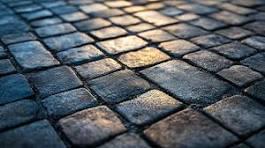
Outdoor pavers are commonly used for driveways, patios, walkways, pool decks, and other landscaped areas. These surfaces provide a durable foundation for outdoor spaces, but regular exposure to moisture, sunlight, dirt, and everyday use can gradually affect their appearance and condition. In Florida's humid climate, proper maintenance plays an important role in preserving paved surfaces.
Paver sealing Tampa is a maintenance method that can help protect compatible paving materials from certain stains, moisture penetration, and environmental wear. Understanding how sealing works, when it is appropriate, and how it should be performed can help property owners make informed decisions about outdoor surface care.
Why Outdoor Pavers Need Regular Maintenance
Pavers experience different forms of exposure depending on their location and use. Driveways are subjected to vehicle traffic, tire marks, and occasional fluid spills. Patios may accumulate food stains, fallen leaves, and dirt, while pool decks are frequently exposed to water and cleaning products.
In Tampa, frequent rainfall and high humidity can also affect how quickly paved surfaces dry. Shaded areas with limited airflow may remain damp for longer periods, increasing the likelihood of organic growth under suitable conditions.
Routine cleaning, proper drainage, joint maintenance, and periodic inspections help identify developing problems before they become more difficult to address.
What Is Paver Sealing?
Paver sealing involves applying a protective product to compatible paving materials. Depending on the formulation, a sealer may reduce water absorption, help limit staining, enhance surface color, or provide a particular finish.
Different products are designed for different materials and applications. Concrete pavers, clay pavers, and natural stone may require different sealing solutions. Some materials may not benefit from sealing at all, so compatibility should be confirmed before application.
Sealing does not make pavers completely waterproof or eliminate the need for regular maintenance. Its effectiveness depends on the product, the condition of the surface, preparation methods, and environmental conditions.
How Tampa's Climate Affects Paver Surfaces
Moisture and Humidity
Frequent rain and humid conditions can leave outdoor pavers damp, particularly in areas with poor drainage or substantial shade. Excess moisture may contribute to discoloration, organic growth, and problems with certain jointing materials.
A suitable sealer can reduce moisture absorption in compatible paving materials. However, it cannot correct standing water, inadequate drainage, or underlying installation defects.
Sunlight and Heat
Prolonged exposure to sunlight can affect the appearance of some pavers and the performance of certain sealers. Products formulated for outdoor use may provide better resistance to ultraviolet exposure, depending on their specifications.
Selecting a suitable product and following the manufacturer's application instructions can help maintain a consistent finish.
Dirt and Surface Stains
Driveways and outdoor living areas often collect dust, mud, leaves, and spills. Some contaminants can penetrate porous surfaces and become more difficult to remove over time.
A compatible sealer may reduce the penetration of certain substances, making routine cleaning easier. Spills should still be addressed promptly to reduce the risk of permanent staining.
Benefits of Proper Paver Sealing
When the paving material is suitable and the product is applied correctly, sealing may provide several maintenance benefits.
- Reduced moisture absorption: Certain sealers help limit the amount of water entering porous paving materials.
- Improved stain resistance: Protective coatings may make some contaminants easier to clean.
- Enhanced appearance: Some products deepen paver colors, while others preserve a more natural finish.
- Simplified cleaning: Properly sealed surfaces may require less effort to remove certain types of dirt and residue.
- Joint sand protection: Compatible sealing systems may help stabilize joint sand and reduce its displacement under suitable conditions.
The results vary by product and surface. Sealing cannot prevent all stains, eliminate weathering, or compensate for structural problems.
The Importance of Proper Surface Preparation
Preparation is one of the most important stages of paver sealing Tampa projects. Even a suitable sealer may perform poorly when applied over dirt, organic growth, excess moisture, or an incompatible existing coating.
The process generally begins with an inspection to identify loose pavers, damaged joints, stains, drainage issues, and previous sealant applications.
The surface is then cleaned using methods appropriate for the paving material. Excessive pressure or unsuitable cleaning chemicals can damage the surface or remove joint sand.
After cleaning, the pavers must dry sufficiently for the selected product. Tampa's humidity, shade, and rainfall can influence drying time, so the manufacturer's moisture requirements should be followed carefully.
Where necessary, joint sand is replenished and repairs are completed before sealing begins.
Applying Sealer Under Suitable Conditions
Sealer application requires attention to temperature, moisture, coverage, and curing time. Applying a product when the surface is too damp or rain is expected within the restricted application window may affect the final result.
The product should be applied according to its instructions, including the recommended application method, coverage rate, and number of coats. Excessive application can cause haziness, uneven coloring, or a slippery finish, depending on the product and surface.
After application, the paved area should remain undisturbed for the specified curing period. Foot traffic, vehicles, outdoor furniture, and water exposure should be restricted as directed by the manufacturer.
These precautions help reduce application problems and support the intended performance of the sealer.
How Often Should Outdoor Pavers Be Sealed?
There is no single sealing schedule suitable for every paved surface. The interval depends on the paving material, product formulation, traffic levels, sun exposure, drainage, and maintenance practices.
Driveways exposed to frequent vehicle use may experience different wear patterns from covered patios or lightly used walkways. Surfaces exposed to persistent moisture may also require closer inspection.
Property owners can monitor the condition of their pavers for changes in appearance, uneven coating, peeling, or signs that the existing protection is deteriorating. Before applying another coat, the surface should be assessed to determine whether cleaning, repairs, coating removal, or additional preparation is necessary.
Common Paver Sealing Mistakes to Avoid
Several mistakes can reduce the effectiveness of sealing or affect the appearance of outdoor pavers.
- Applying sealer before the surface has dried adequately.
- Choosing a product that is unsuitable for the paving material.
- Skipping cleaning or necessary repairs.
- Applying excessive product or uneven coats.
- Ignoring drainage problems and damaged joints.
- Allowing rain or traffic to affect the surface before sufficient curing.
- Applying a new coating without checking compatibility with an existing sealer.
Following product specifications and addressing underlying maintenance issues can help avoid these problems.
Maintaining Pavers After Sealing
Sealed pavers still require routine care. Sweeping away leaves, dirt, and debris helps prevent accumulation, while cleaning spills promptly can reduce staining.
Periodic inspections can identify loose pavers, eroded joint sand, standing water, and surface discoloration. These issues should be addressed according to their cause rather than relying on another coat of sealer alone.
Gentle cleaning methods and products recommended for the specific paving material can help preserve the surface without damaging its finish.
Conclusion
Outdoor pavers are exposed to moisture, sunlight, stains, and everyday wear throughout their service life. In Florida's climate, consistent maintenance can help preserve their appearance and identify problems that require attention.
Paver sealing Tampa is one option for protecting compatible paving materials against certain forms of moisture penetration and staining. With appropriate product selection, thorough preparation, suitable application conditions, and regular maintenance, sealed pavers can remain easier to care for over time. The most effective approach combines sealing with proper drainage, joint maintenance, and timely repairs.

 Arabic
 French
 Spanish
 Portuguese
 Deutsch
 Turkish
 Dutch
 Italiano
 Russian
 Romaian
 Portuguese (Brazil)
 Greek