


How Blast Proof Doors Protect Critical Facilities
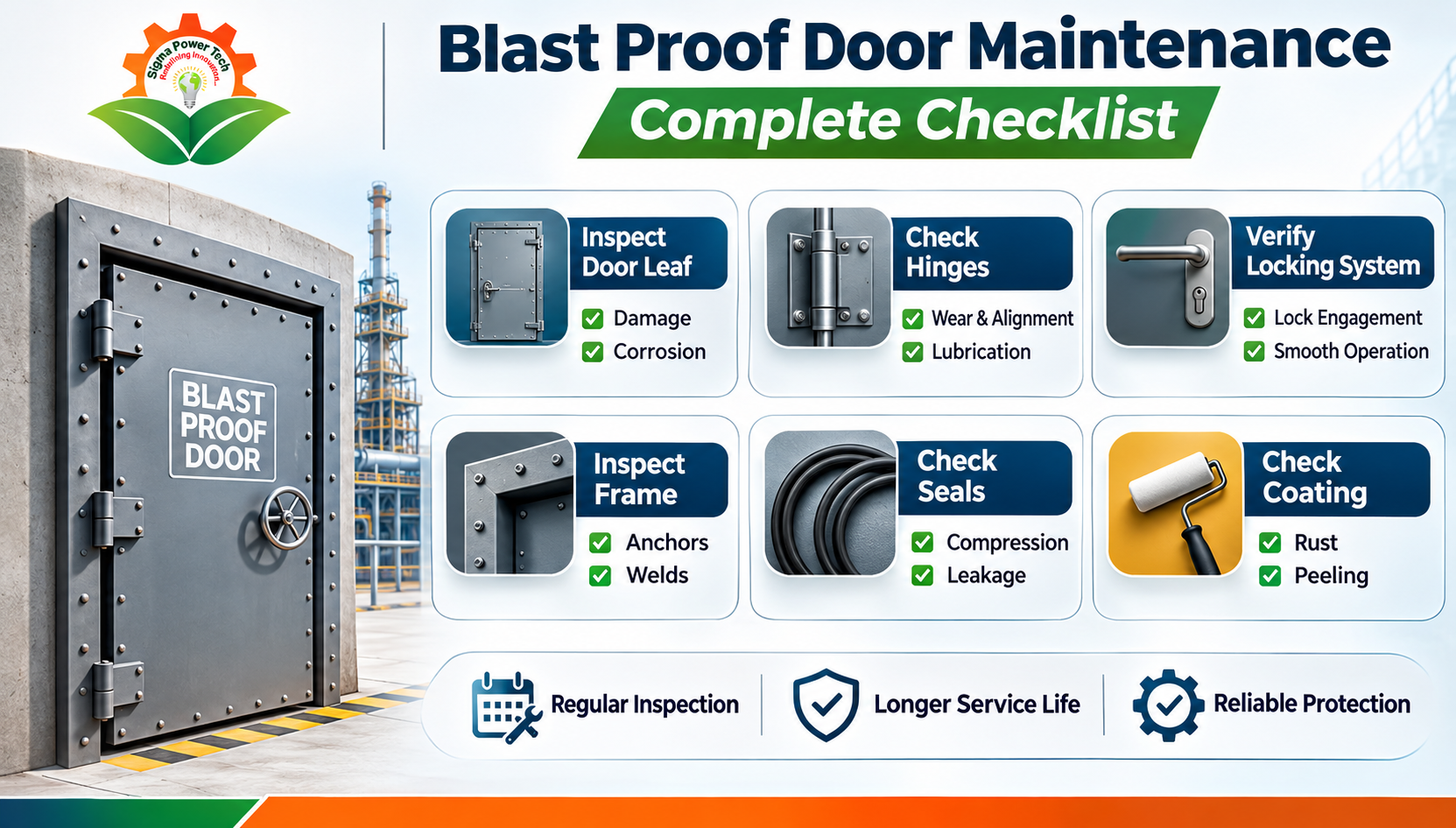
A control room inside a petrochemical complex experiences the effects of a nearby explosion caused by a process failure. The blast wave reaches the building in seconds, placing enormous pressure on its entrances and structural envelope. While standard access doors would likely deform or detach from their frames, the blast proof door remains anchored, limiting damage to the protected area and allowing operators to maintain control of emergency shutdown systems. In high-risk facilities, this level of performance can make the difference between a contained incident and a major disaster.
Modern critical infrastructure depends on layered protection against accidental explosions and deliberate attacks. A properly engineered blast proof door is designed to resist explosive pressure waves, protect occupants, and preserve the integrity of essential facilities. From military installations and embassies to power plants and data centres, blast-resistant entrances help maintain operational continuity when conventional building components may fail.
How a Blast Proof Door Protects Critical Facilities
A blast protection system works by absorbing, distributing, and transferring explosive forces through the entire structural assembly rather than allowing concentrated loads to damage the entrance.
Unlike ordinary steel doors, a blast proof door combines reinforced construction, engineered hardware, structural frames, and carefully designed anchoring systems. Every component contributes to maintaining structural stability during an explosion.
Engineering Behind Blast Door Design
Effective blast door design begins with a detailed engineering assessment.
Engineers evaluate:
- Expected blast pressure
- Stand-off distance
- Pressure impulse
- Building structural capacity
- Occupancy levels
- Operational requirements
Using these calculations, they determine steel thickness, internal reinforcement, hinge capacity, locking systems, frame design, and anchoring methods that suit the specific facility.
Structural Performance Under Blast Pressure
When an explosion occurs, the resulting pressure wave reaches nearby structures almost instantly.
Properly engineered blast resistant doors do not simply rely on thicker steel. Instead, they are designed to deform within acceptable engineering limits while remaining securely connected to the surrounding structure.
The complete system helps:
- Reduce structural failure
- Prevent dangerous fragmentation
- Keep the doorway intact
- Protect occupants
- Limit internal damage
This controlled response enables critical facilities to continue operating safely during emergency situations.
Blast Pressure Ratings and Certification
Every critical facility presents different operational risks, so blast protection systems are designed for specific pressure ratings rather than a universal level of resistance.
Manufacturers evaluate performance using:
- Structural engineering calculations
- Finite element analysis
- Dynamic simulations
- Physical blast testing
- Hardware performance verification
- Frame integrity assessment
When comparing blast proof door manufacturers in India, buyers should request documentation demonstrating compliance with recognised IS/BIS requirements and applicable international blast standards.
Verified engineering provides confidence that the complete system will perform under defined blast conditions.
Frame Anchoring and Wall Integration
Even the strongest blast door cannot perform effectively without proper structural support.
During an explosion, forces transfer through the door into the reinforced frame and surrounding wall. Poor anchoring or inadequate structural reinforcement can significantly reduce protection.
Professional installation includes:
- Structural wall assessment
- Reinforced anchoring
- Frame alignment
- Weld inspection
- Load path verification
- Quality control inspections
Correct integration ensures the building and door function as one engineered system.
Fire Resistance and Multi-Hazard Protection
Explosions often create secondary hazards such as fire, smoke, and airborne contaminants.
Modern blast resistant door systems frequently incorporate additional protective features, including:
- Fire-rated construction
- Smoke containment
- Airtight sealing
- Corrosion-resistant coatings
- Chemical-resistant finishes
- Security-grade locking systems
These capabilities improve resilience during complex emergency scenarios while reducing damage to critical assets.
Automation and Access Control
Many protected facilities require controlled access alongside physical security.
Modern blast doors can integrate with:
- Electronic access control
- Biometric authentication
- CCTV systems
- Building Management Systems (BMS)
- Emergency lockdown controls
- Remote monitoring platforms
These technologies enhance operational security without compromising emergency response procedures.
Key Features That Protect Critical Infrastructure
The effectiveness of a blast protection system depends on a combination of engineering features.
Important characteristics include:
- High structural strength
- Certified blast pressure rating
- Corrosion-resistant construction
- Fire resistance
- Airtight sealing
- Security-grade locking systems
- Heavy-duty hinges
- Durable protective coatings
- Low maintenance requirements
- Compliance with recognised certification standards
Together, these features provide dependable protection throughout the service life of the installation.
Where Blast Proof Doors Are Most Commonly Used
Blast protection is essential wherever explosions could threaten people, equipment, or operational continuity.
Typical applications include:
- Defence and military installations
- Government and administrative buildings
- Embassies and consulates
- Oil and gas facilities
- Petrochemical plants
- Power generation stations
- Data centres
- Ammunition depots
- Industrial process units handling hazardous materials
Some specialised environments may also require explosion proof doors, depending on process hazards and applicable engineering standards.
Cost and Long-Term Investment
The blast door price depends on the engineering requirements of the project rather than the appearance of the finished product.
Important cost factors include:
- Required blast pressure rating
- Door size and configuration
- Steel grade and plate thickness
- Frame and anchoring engineering
- Testing and certification
- Automation and locking systems
- Installation complexity
- Site-specific structural assessment
- Long-term maintenance planning
Although certified blast protection systems generally involve a higher initial investment, they often reduce operational risks, repair costs, and downtime over the facility's lifetime.
Buyer's Guide: Choosing the Right Manufacturer
Selecting among blast proof door manufacturers in India requires careful technical evaluation.
Look for manufacturers that provide:
- Proven engineering experience
- Independent testing credentials
- Compliance with IS/BIS and recognised international standards
- Custom design capability
- Precision manufacturing
- Professional installation services
- Technical documentation
- Preventive maintenance programmes
- Reliable project portfolio
Working with a company that combines manufacturing and technical services simplifies execution. Sigma Power Tech blast door solutions are supported by Sigma Power Tech manufacturer and service provider expertise, delivering engineering, manufacturing, installation, commissioning, and lifecycle maintenance for high-security infrastructure.
Common Mistakes to Avoid
Several specification errors can reduce the effectiveness of blast protection.
Avoid:
- Selecting products based only on price
- Ignoring project-specific blast pressure assessments
- Incorrect frame and wall integration
- Underestimating fire or corrosion exposure
- Skipping certification verification
- Neglecting preventive maintenance
- Overlooking future automation and security upgrades
Proper engineering decisions made during the design stage significantly improve long-term performance.
Conclusion
A blast proof door protects critical facilities by combining certified engineering, structural strength, reinforced frame integration, and controlled performance under explosive pressure. Its ability to preserve building integrity, protect occupants, and support operational continuity depends on far more than heavy steel construction. Every component—from the door leaf and frame to the anchors and locking systems—must work together as a complete engineered solution.
Whether installed in defence installations, government buildings, industrial plants, energy facilities, or data centres, selecting the correct blast rating, verified certification, and experienced engineering partner provides lasting value beyond the initial investment. A professionally engineered blast protection system remains one of the most effective measures for safeguarding critical infrastructure against explosive threats while ensuring long-term structural reliability and operational resilience.

 Arabic
 French
 Spanish
 Portuguese
 Deutsch
 Turkish
 Dutch
 Italiano
 Russian
 Romaian
 Portuguese (Brazil)
 Greek