


GEO vs SEO: What’s the Difference and Why Does It Matter?
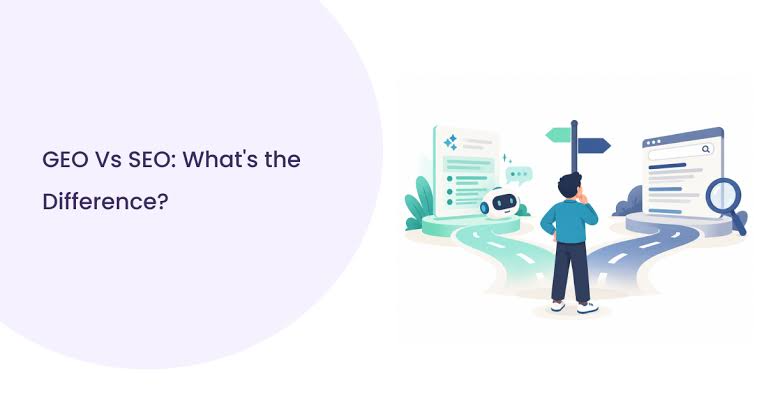
Search is no longer limited to ten blue links. People now ask AI tools for advice, and those tools reply with short and direct answers. Because of this shift, a new term has appeared in marketing circles. It is called GEO, which stands for generative engine optimization. Many business owners already know SEO, so they often ask if GEO replaces it. The short answer is no, but the two work in different ways. In this guide, we explain GEO vs SEO in plain words. You will also see why both matter for your growth. Many brands now rely on digital marketing services Karachi businesses trust to handle this change smoothly.
What Is SEO?
SEO stands for search engine optimization. It is the work of helping your website rank higher in search engines such as Google and Bing. The main goal is to appear near the top of the results when people search for your products or services.
To do this, SEO focuses on a few key areas. Keyword research shows what people type into search boxes. On page work improves titles, headings, and content. Technical work keeps your site fast, secure, and easy to crawl. Finally, backlinks from trusted sites build authority. When these parts work together, your pages climb the rankings. Visitors then click through to your website. For many years, this model has been the backbone of online visibility, and it still produces strong results today.
What Is GEO?
GEO stands for generative engine optimization. It means preparing your content so that AI tools can understand it, trust it, and use it in their answers. These tools include AI chat assistants and AI summaries inside search engines.
Unlike classic search, a generative engine does not just list pages. It reads many sources and builds one combined answer. Your goal is not only to rank but to be included, quoted, or mentioned in that answer. To achieve this, your content must be clear, accurate, and well structured. Learning practical GEO strategies can help you see how this works in real life. In simple terms, SEO helps people find your page, while GEO helps AI choose your information.
Key Differences in Goals
The first big difference is the goal. SEO aims for a high ranking and more clicks. Success is often measured by position and traffic. GEO aims for visibility inside AI answers. Success here means being cited, named, or recommended.
This changes how you think about results. A page might rank well but never appear in an AI summary. On the other hand, a smaller site with very clear answers might get mentioned often. Therefore, GEO shifts the focus from competing for a spot on a list to earning a place in a conversation. Both goals matter, because customers now use both types of search in their daily lives.
Differences in Content Style
Content style also differs between the two. Traditional SEO content often targets a main keyword and related phrases. It uses longer pages to cover a topic in depth. Headings and keywords guide search engines toward the page’s meaning.
GEO content leans toward direct and natural answers. AI tools like short and clear statements that respond to a question quickly. They also value facts, examples, and simple explanations. Therefore, you should place the main answer at the start of each section. Then add details after it. Clear definitions, honest comparisons, and well organized lists in paragraph form can help too. However, this does not mean you should abandon keywords. They still guide topics, but clarity now comes first.
How Success Is Measured
Measuring SEO is fairly easy. You can track rankings, organic traffic, clicks, and conversions. Tools like Google Search Console show which queries bring visitors. These numbers give a clear picture of progress over time.
Measuring GEO is harder because AI tools do not share detailed data. Still, you can watch for signs. Check whether AI assistants mention your brand when you ask common questions in your industry. Track growth in branded searches, since people often search your name after seeing it in an answer. Also monitor direct visits and referral traffic from AI platforms when they appear. Over time, these signals show whether your brand is gaining a place in AI answers.
Where GEO and SEO Overlap
Despite their differences, the two share a lot. Both reward helpful, honest, and well written content. Both need a fast and clean website. Both benefit from strong trust signals, such as reviews, author details, and quality backlinks.
In fact, good SEO often supports GEO. Many AI tools use search results to find fresh information. If your page ranks well, it has a better chance of being used in an AI answer. Likewise, clear and direct writing for GEO often improves SEO, because readers enjoy simple answers. Therefore, you should not treat them as rivals. Think of GEO as an extension of SEO that prepares your brand for a new kind of search.
Why This Difference Matters for Your Business
User habits are changing fast. Some people still scroll through results and compare websites. Others ask an AI tool and trust the first answer. If you focus only on one group, you miss the other.
Moreover, AI answers can reduce clicks to websites for simple questions. This means brands that appear inside the answer gain a clear advantage. They build awareness even when users do not click. On the other hand, brands that ignore GEO may slowly lose visibility without noticing. Small businesses can benefit most from acting early. Large brands move slowly, while you can update pages and test ideas quickly. Early action helps you build authority before the competition grows.
How to Combine GEO and SEO
The best plan is a blended one. Start with your SEO foundation. Fix technical issues, improve page speed, and make sure every page has a clear purpose. Then update your content for clarity. Add short answers at the top of sections and use simple language.
Next, show real expertise. Include author names, case studies, and honest customer stories. Add structured data so machines can understand your pages. Keep your business details the same across the web, and build a strong profile on Google Business Profile if you serve local customers. Also earn mentions on trusted websites through guest articles and community work. Finally, review your results every month. Adjust your plan based on rankings, brand searches, and AI mentions.
Common Myths
Several myths confuse owners. The first is that SEO is dead. This is false, because search engines still send huge traffic. The second myth is that GEO is only a trick to fool AI. In reality, it rewards honest and useful content. The third myth is that you need a completely new website. Most of the time, careful updates are enough.
Another myth is that AI written content alone will win. Raw AI text often feels generic and can contain errors. Real insight and human experience still stand out. Finally, some people believe results are instant. Both GEO and SEO need patience and steady effort.
Conclusion
GEO and SEO are different, yet they work well together. SEO helps your pages rank and attract clicks. GEO helps AI tools understand your brand and include it in answers. Both depend on quality content, strong trust, and a healthy website. Rather than choosing one, build a plan that supports both. Start by improving one important page this week, and keep learning as search evolves. Businesses that adapt early will stay visible wherever customers choose to search.

 English
 Arabic
 French
 Portuguese
 Deutsch
 Turkish
 Dutch
 Italiano
 Russian
 Romaian
 Portuguese (Brazil)
 Greek