


What is the Impact of Fuel Tank Vent Check-Valve Failure on High-RPM Fuel Delivery Starvation?
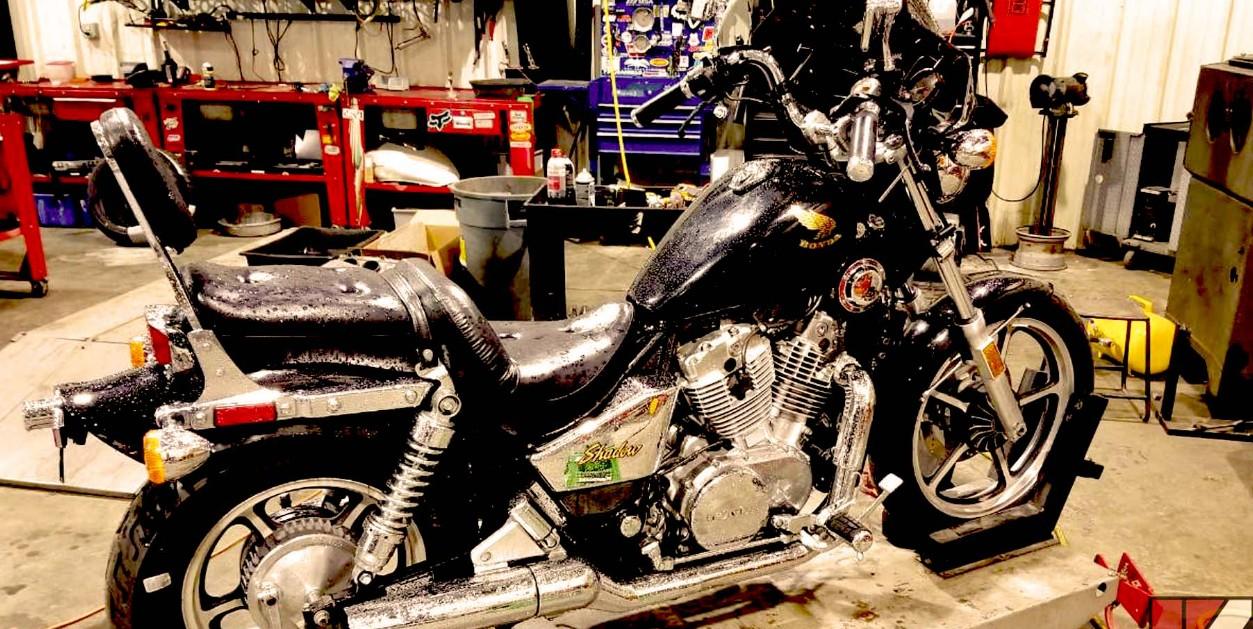
High-performance motorcycles operate under strict mechanical tolerances, relying on precisely balanced fuel-to-air ratios across all throttle positions and engine speeds. When an engine reaches elevated RPMs, its demand for fuel escalates dramatically. If the fuel supply system encounters even minor restriction, cylinder combustion becomes lean, leading to severe power loss, engine hesitation, or catastrophic damage. While riders and technicians frequently suspect clogged fuel injectors, failing fuel pumps, or dirty filters when facing high-speed engine hesitation, one of the most common yet overlooked culprits is a malfunctioning fuel tank vent check-valve.
The fuel tank venting system plays a fundamental role in maintaining pressure equilibrium within the fuel cell. When the vent system fails—specifically the check-valve designed to manage pressure differential and prevent fuel spillage—the resulting vacuum lock starves the engine of fuel precisely when demand is highest.
The Physics of Fuel Tank Venting and Pressure Differential
To understand how a check-valve causes high-RPM starvation, one must first look at the fluid dynamics inside the fuel tank. As the fuel pump draws liquid out of the tank and feeds it under pressure to the throttle bodies or carburetors, the volume of liquid inside the tank decreases continuous. To compensate for this displaced liquid volume, air must enter the tank at an equal rate through the tank vent system.
Under normal operating conditions, a healthy check-valve allows atmospheric air to enter the tank freely while preventing fuel vapors from escaping uncontrolled or liquid fuel from leaking out during lean angles or tip-over incidents. However, if the check-valve sticks shut due to varnish buildup, corrosion, or mechanical failure, atmospheric air cannot enter. As the fuel pump pulls liquid out, a progressive negative pressure (vacuum) develops above the remaining fuel. Once this internal vacuum becomes strong enough, it physically opposes the suction force of the pump, restricting fuel flow down the line.
Why Vent Valve Starvation Manifests Primarily at High RPMs
A sticking or partially blocked fuel tank check-valve rarely presents obvious symptoms at low engine speeds or idle. At low RPM, the engine consumes very little fuel per minute, allowing tiny amounts of air to seep past a compromised seal or giving the pressure inside the tank time to equalize slowly. The motorcycle may start, idle, and cruise smoothly through city streets without showing any mechanical fault.
The problem escalates drastically when the rider opens the throttle wide and sweeps into high engine speeds. At high RPMs, fuel consumption spikes exponentially. The fuel pump works at peak capacity to maintain the target rail pressure. If the vent check-valve cannot admit air rapidly enough to match this high volumetric draw, a strong vacuum builds inside the tank within seconds. The atmospheric pressure differential acts like a physical brake against the pump, dropping fuel pressure at the rail and starving the engine mid-acceleration. Riders usually experience this as a sudden "wall" in acceleration, severe sputtering, or complete engine cut-out under heavy load.
Diagnosing Check-Valve Failure versus Fuel Pump or Injector Issues
Distinguishing between a tank vacuum lock and a dying fuel pump requires systematic troubleshooting skills. Misdiagnosing a simple five-dollar vent valve issue can lead to replacing expensive fuel pumps or electrical components unnecessarily. Mastering these diagnostic methods is a foundational step covered in a practical motorbike maintenance course, enabling technicians to resolve tricky fuel system faults efficiently.
Here are key diagnostic steps to confirm a vent check-valve issue:
-
The Pop Sound (Vacuum Release): Immediately after experiencing high-RPM fuel starvation, pull over safely, turn off the ignition, and open the fuel filler cap. If you hear a distinct "hiss" or popping sound as air rushes into the tank, a severe vacuum lock is confirmed.
-
Open-Cap Test Ride: Temporarily riding the motorcycle under controlled conditions with a unlocked or slightly vented fuel cap allows air into the tank freely. If the high-RPM starvation completely disappears during this test, the issue resides entirely within the tank's vent hose or check-valve assembly.
-
Blowing/Vacuum Bench Test: Remove the check-valve from the vent line and test flow direction manually using a hand vacuum pump or low-pressure air line. Air should flow freely into the tank direction while blocking reverse flow.
-
Inspecting Evaporative (EVAP) Canisters: On modern emissions-compliant motorcycles, ensure the charcoal canister hoses are not pinched or saturated with raw liquid fuel, which can lock the check-valve downstream.
Long-Term Engine Risks of Unresolved Fuel Starvation
Ignoring high-RPM fuel starvation caused by a faulty vent valve carries severe mechanical consequences beyond annoying hesitation. When fuel supply drops while the engine operates under heavy load and high RPM, the air-fuel ratio instantly spikes to an extremely lean condition.
Lean combustion runs significantly hotter than a balanced air-fuel mix. At high engine speeds, sustained lean operation causes combustion chamber temperatures to skyrocket within milliseconds. This sudden thermal surge can melt spark plug electrodes, burn exhaust valves, or cause piston detonation (knocking). In severe cases, detonation breaks piston rings or scores cylinder walls, leading to total engine failure. Resolving vent valve issues promptly ensures that the engine receives consistent fuel delivery across its entire powerband, protecting internal components from heat-induced destruction.
Best Practices for Vent System Maintenance and Inspection
To prevent fuel starvation issues and ensure reliable engine performance, motorcycle owners and mechanics should integrate vent system checks into regular service schedules:
-
Inspect Vent Hoses for Kinks: Ensure all fuel tank breather and drain lines are routed cleanly without tight bends, crushes under the seat, or pinch points near the frame pivot points.
-
Clean and Flush the Check-Valve: Periodically clean the internal check-valve ball and spring mechanism using aerosol contact cleaner or dedicated carb cleaner to clear sticky fuel varnish and road debris.
-
Check One-Way Flow Direction: When reinstalling check-valves or aftermarket breather caps, double-check that the arrow indicating flow direction points toward the tank interior so air can enter freely.
-
Replace Old Rubber Lines: Replace hardened, brittle, or cracked vacuum lines to prevent internal hose collapses under vacuum conditions.
By recognizing how subtle pressure differentials impact high-speed fuel delivery, riders and mechanics can quickly diagnose vent valve faults, preserve engine health, and maintain optimal performance.

 English
 Arabic
 French
 Spanish
 Portuguese
 Deutsch
 Dutch
 Italiano
 Russian
 Romaian
 Portuguese (Brazil)
 Greek