


How Hurricane Season Disrupts Vehicle Logistics
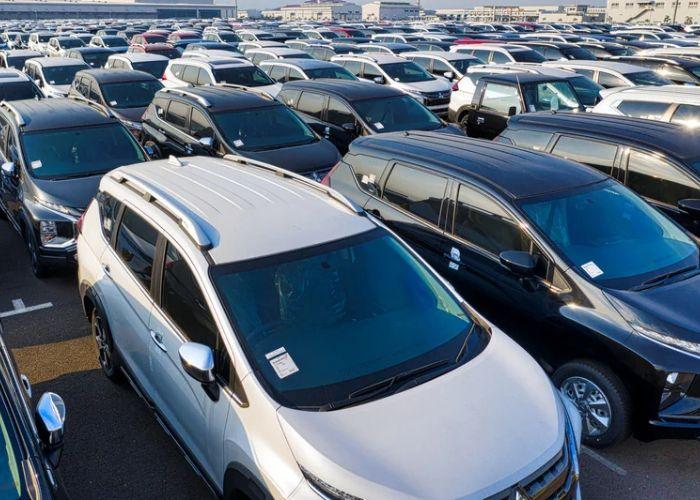
Throughout June and November, the Atlantic hurricane season can cause significant changes in how vehicles and goods can be transported along the East and Gulf coasts. Even if storms don’t hit land, they can cause massive disruption to your schedule and ports and cause congestion on the roads. To help you plan for shipping a car to Miami better, here is some information on how hurricane season can impact your car transport.
The Season
Hurricane season runs for 6 months, most commonly with the most activity between mid-August and October. Florida, the Carolinas, and the Gulf states are most likely to be hit; however, storms can leave heavy rain and flooding throughout New England. With so many vehicles being transported along the coastal regions, just one storm can have a big impact on the number of vehicles being transported.
Auto carriers need to have clear roads, open terminals, and staffed depots. All of this can be lost during a hurricane.
Evacuation
If a large storm is approaching, there can be huge amounts of congestion caused by evacuations. This can cause huge delays and cause interstates to be turned into parking lots. This can cause some roads to be reversed using contraflow lanes and some exits to be closed. Car haulers are large and slow vehicles that can be diverted or held back so that evacuees can get to their destination. This can cause delays, increasing your transport time from 2 days to 4/5.
Drivers will also have rules around how many hours they can drive. If there is congestion, this can cause delays and less time to complete your pickups and drop-offs. This means that most carriers will give you a time frame for your delivery.
Port Closures
If you are transporting your vehicle through a port, either for export or just along the coast, you may find that it can be closed ahead of a storm. This can cause delays of several days. Goods will be secured, ships diverted, and terminals won’t open until damage has been assessed.
Even if you are transporting your vehicle domestically, you may find that auction yards, dealerships, or distribution centers are closed. This can cause your vehicle to be stuck in the yard, as you can’t pick it up. This can cause delays.
Less Trucks & More Customers
Storms can cause fewer trucks to be available. Some carriers will pull their trucks out of harm’s way, and others will be busy with disaster relief. People will want to move their vehicles out of harm’s way or replace any vehicles that have been flooded.
With fewer trucks available and more customers wanting to move their vehicles, prices will increase. During storm watch periods, quotes may change rapidly. If you book last minute, you will pay a lot more. If you plan and stay flexible, you’ll avoid the worst.
Preparing Your Car
If there is a hurricane forecast and you have a vehicle in the path of it, you may want to move it inland. Park it higher up and away from trees and power lines. Avoid any low-lying garages or basement parking areas that can flood. Take pictures of your car with dates to show its condition and ensure your comprehensive insurance is active. Flood and wind damage are usually covered under comprehensive.
If you are transporting your car, you may find that your carrier cannot load your vehicle in the hours leading up to the storm. It’s important to book early and have a backup plan.
Flooded Vehicles
After major storms, thousands of flooded vehicles will enter the market. Some will be correctly written off, and others will be cleaned and sold with hidden damage. If you’re transporting a used vehicle from a hurricane area, ensure you check the vehicle history report. Look for signs of water damage, musty smells, and rust. Consider getting an independent inspection.
This can also cause issues with transport, as many vehicles will be going to salvage yards or auctions due to the storm. This can cause more delays.
Stay Flexible!
Flexibility will be your best friend during hurricane season. Give yourself more time to pick up your vehicle and avoid having a strict deadline such as flights. Keep an eye on the National Hurricane Centre for predictions, and keep in contact with your dispatcher, who may know of any road closures.
If you are transporting your vehicle between August and October, give yourself an extra week. Ask your carrier about their policies around bad weather. Will they charge extra to rebook? How do they keep you updated?
Long Delays
After the storm has passed, there can be long delays. There can be power cuts, damaged roads, and lack of fuel and staff issues. This can cause delays to last for weeks. Dealerships, ports, and storage areas may not be open for days. Plan for this.
If you have patience and clear communication from your carrier, you’ll be able to trust them more. If they are keeping you updated, being honest with you, and giving you realistic new times, they will be trustworthy.
Experience
During storm seasons, it’s important to use a carrier who knows the coastal areas. They’ll know how to divert, which terminals to avoid, and how to keep you updated. If you’re transporting your car to Miami during storm season, East Coast Auto Haulers can help you create a flexible time frame, keep you updated, and ensure your vehicle arrives safely.

 English
 Arabic
 French
 Spanish
 Portuguese
 Deutsch
 Turkish
 Dutch
 Italiano
 Russian
 Romaian
 Greek