Introduction to Granny
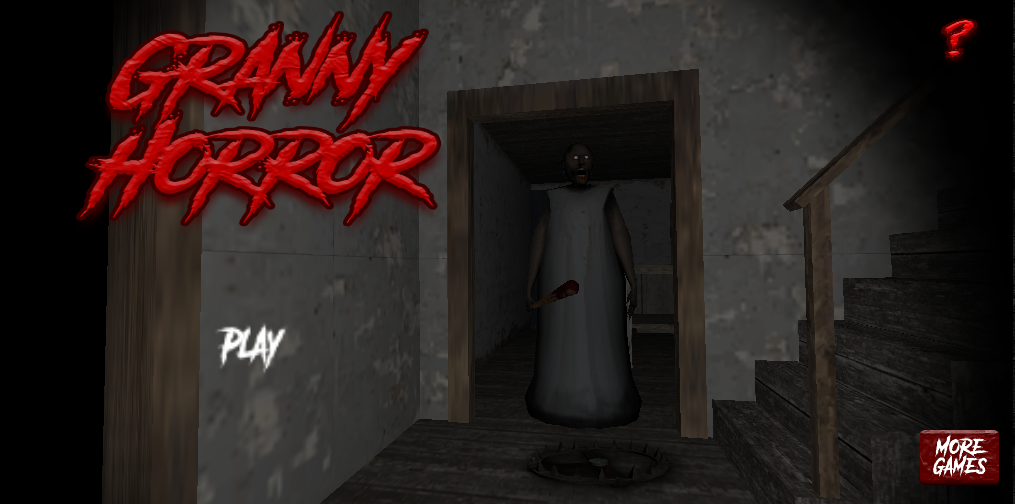
The game Granny is a survival horror experience that places the player inside a locked house filled with danger, puzzles, and limited resources. The main objective is to escape while avoiding detection. The environment is tense, and every sound can attract attention. Success depends on patience, observation, and careful planning rather than speed alone.
Players must navigate rooms, search for items, and solve puzzles while staying hidden from the main threat. The atmosphere is designed to create constant pressure, making each decision important. Understanding the mechanics of movement, sound, and hiding spots is essential for survival.
Core Gameplay Mechanics
Movement and Noise Awareness
Movement in the game must be controlled and deliberate. Running creates noise that can alert the antagonist, so walking is often the safer choice. Doors, drawers, and objects also produce sound when interacted with. Even small actions can have consequences.
Players should avoid unnecessary interaction with objects. Each action should have a purpose, such as collecting items or unlocking paths. Noise management is one of the most important survival skills.
Item Collection and Usage
Progress depends on collecting items scattered throughout the house. These items may include keys, tools, and puzzle components. Each item has a specific role in unlocking new areas or solving challenges.
Some items are hidden in drawers, behind objects, or inside secret compartments. Careful exploration is required to locate them. Memorizing item locations across multiple attempts can improve efficiency in future runs.
Hiding and Evading Detection
Hiding spots are critical for survival. Players can use beds, wardrobes, and other enclosed spaces to avoid detection. When the antagonist approaches, remaining still is essential.
Timing is important when leaving a hiding spot. Observing movement patterns helps determine when it is safe to move again. Rushing out too early can lead to immediate capture.
Understanding the Environment
Layout of the House
The house contains multiple floors and rooms connected through doors, stairs, and hidden passages. Each area may contain unique puzzles or items. Learning the layout helps reduce confusion during gameplay.
Exploration should be systematic. Focusing on one section at a time allows better tracking of collected items and remaining objectives. Random movement can lead to missed opportunities or repeated searches.
Interactive Objects
Many objects in the environment are interactive. Drawers can be opened, shelves can be searched, and items can be moved. Some objects hide important tools or clues.
Certain objects may also trigger events or reveal shortcuts. Paying attention to visual cues and environmental changes can provide hints about hidden mechanics.
Strategies for Survival
Stealth First Approach
Stealth is the most reliable strategy. Avoid unnecessary movement and minimize noise at all times. Listening carefully for audio cues helps detect the presence of danger nearby.
Players should plan routes before moving. Knowing where to go next reduces hesitation and lowers the chance of making mistakes under pressure.
Efficient Item Management
Carrying the right items at the right time is crucial. Some items must be used in specific locations, so planning trips between rooms improves efficiency.
Dropping and retrieving items strategically can help manage inventory limitations. Keeping track of item locations ensures that no progress is lost during exploration.
Learning Enemy Patterns
The antagonist follows certain patterns and behaviors. Observing these patterns over time allows players to predict movement and avoid encounters.
Sound cues can indicate proximity. Footsteps, door movements, and other audio signals help determine when it is safe to proceed. Patience and observation are key to mastering these patterns.
Puzzle Solving Techniques
Logical Thinking
Many puzzles require logical reasoning rather than random guessing. Clues are often found within the environment, such as notes, symbols, or object placements.
Understanding how items connect to specific puzzles helps reduce trial and error. Each puzzle solved brings the player closer to escape.
Trial and Observation
Some puzzles may require experimentation. Testing different combinations or approaches can reveal solutions. Observing outcomes carefully helps identify correct patterns.
Repeated attempts are part of the learning process. Over time, familiarity with puzzle types improves overall performance.
Common Mistakes to Avoid
Making Too Much Noise
One of the most common mistakes is moving too quickly without considering sound. Loud actions can immediately attract attention and end a run.
Players should always evaluate whether an action is necessary before performing it. Quiet and controlled movement is more effective than fast and reckless behavior.
Ignoring Environmental Clues
The environment often contains subtle hints that guide progress. Ignoring these clues can lead to confusion and wasted time.
Pay attention to visual details, object placements, and changes in the surroundings. These elements often provide indirect guidance for solving puzzles.
Poor Route Planning
Moving without a plan can lead to backtracking and increased risk. Planning routes in advance helps maintain efficiency and reduces exposure to danger.
Efficient routes minimize time spent in risky areas and improve chances of successful escape.
Advanced Tips for Experienced Players
Memorization of Item Locations
After multiple attempts, players can memorize common item spawn locations. This knowledge speeds up early gameplay and allows faster progression.
Recognizing patterns in item placement reduces search time and improves consistency across runs.
Controlled Risk Taking
At advanced levels, calculated risks can save time. Moving quickly through certain areas when safe can improve efficiency.
However, risk should always be balanced with awareness of potential consequences. Understanding when to take risks is a skill developed through experience.
Use of Distractions
Some gameplay strategies involve creating distractions to redirect attention. These actions can open opportunities to move through dangerous areas safely.
Distractions must be timed carefully. Poor timing can increase danger instead of reducing it.
Conclusion
Surviving in Granny requires a combination of stealth, strategy, and observation. Every action matters, from movement to item usage and puzzle solving. Understanding the environment, learning patterns, and maintaining patience are essential for success.
Players who focus on sound control, efficient exploration, and careful planning will have a higher chance of escaping. With practice and familiarity, the challenges become more manageable, and the path to victory becomes clearer.




 English
 Arabic
 French
 Spanish
 Deutsch
 Turkish
 Dutch
Dutch
 Italiano
 Russian
 Romaian
 Portuguese (Brazil)
 Greek
Greek