


Step-by-Step Guide to Creating High-Impact Shipping Packaging Boxes
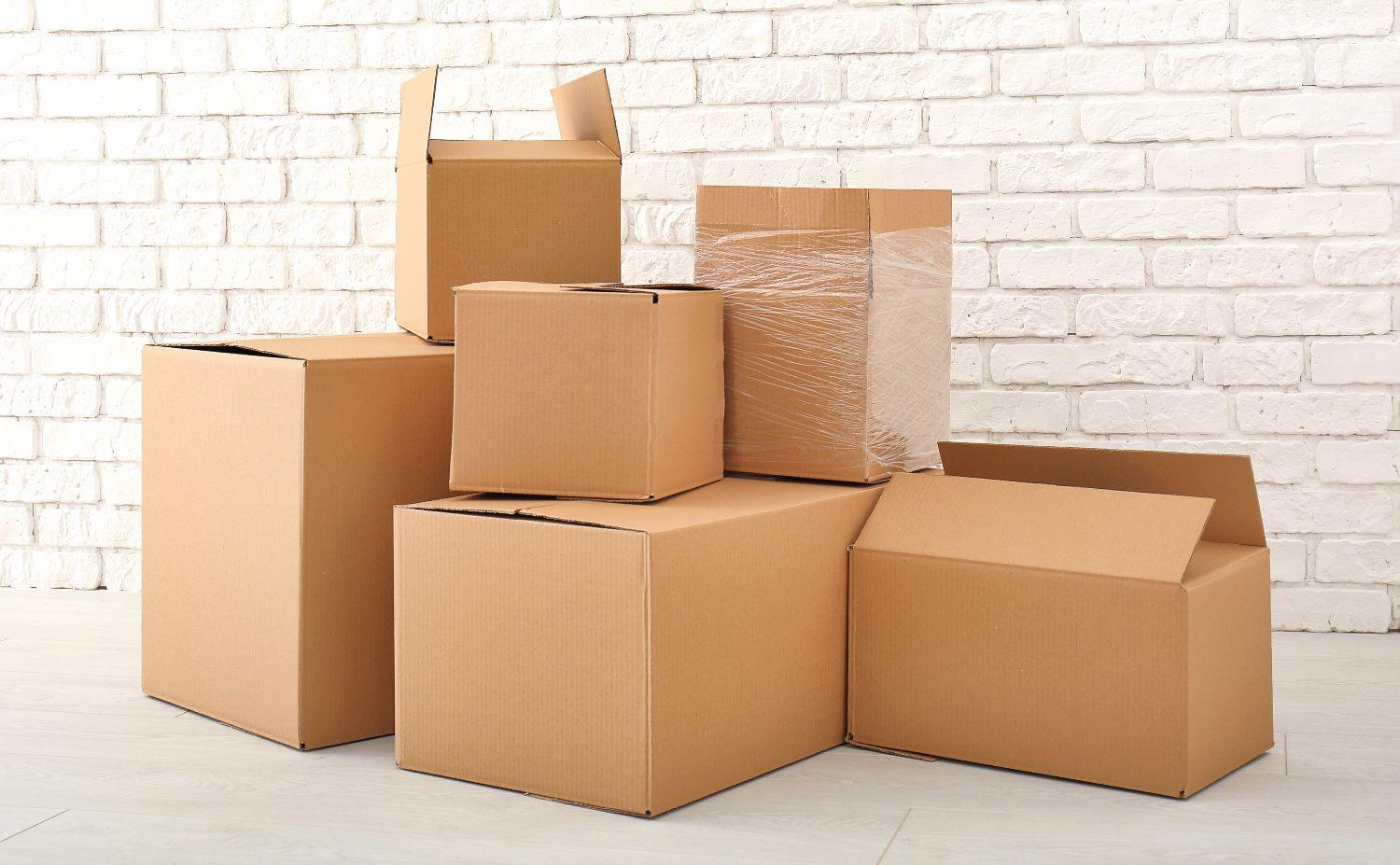
Good packaging is more than just a box. It protects products and shapes how customers see your brand. When done right, it can improve both safety and satisfaction.
Why Packaging Matters More Than You Think
Packaging plays a bigger role than many people expect. It is not only used to carry a product. It also protects it during long journeys. At the same time, it reflects the brand’s image in a subtle way.
When a customer receives a package, the first thing they notice is the box. A clean and well-designed box creates trust right away. On the other hand, poor packaging can make even a good product feel low quality.
Another important point is safety. Products often go through rough handling during delivery. Because of this, strong packaging becomes necessary. Without proper protection, items can easily break or get damaged.
Cost is also a key factor. Businesses must manage expenses carefully. So, packaging should be affordable but still reliable. Finding this balance is very important.
In addition, people now care about the environment. Many customers prefer packaging that can be recycled. Using eco-friendly materials can improve brand value and attract more buyers.
Lastly, packaging should match the shipping process. Whether products travel by road or air, the box must support that journey. When all these factors are considered, packaging becomes a powerful business tool.
Picking Materials That Truly Work
Choosing the right material can make a big difference. It affects strength, cost, and even customer perception. So, this step should be handled with care.
Cardboard is one of the most common choices. It is light and easy to handle. For heavier items, corrugated board works better. It has extra layers that provide strength and absorb shock.
Paperboard is another option. It is often used for lighter products. It also allows high-quality printing, which improves appearance. However, it does not offer strong protection.
Some businesses use plastic materials. These are helpful when water resistance is needed. Still, they are not the best choice for the environment. So, their use should be limited when possible.
To improve safety, inserts can be added inside the box. Foam or paper inserts help keep items in place. This is especially useful for fragile goods like glass or electronics.
Eco-friendly materials are becoming popular. Recycled paper and kraft materials are good examples. They reduce waste and show responsibility.
Before finalizing any material, testing is important. It helps confirm that the material can handle pressure and movement during shipping.
Building a Box That Fits Just Right
A good box design starts with the right size. If the box is too large, it wastes space. If it is too small, the product may get damaged. So, accurate measurements are very important.
Shape also plays a role. Simple shapes are easier to stack and store. They also reduce shipping costs. Custom shapes may look attractive, but they can increase expenses.
The way a box closes is also important. Flaps should be easy to fold and secure. At the same time, they must stay closed during transport. A weak closure can cause serious issues.
Weight balance should not be ignored. Heavy items must be placed properly inside the box. This helps prevent tipping or damage.
Some products need airflow. In such cases, small ventilation openings can be added. This is useful for food or sensitive goods.
Another key point is ease of use. Workers should be able to assemble boxes quickly. Simple designs save time and effort.
In the end, a well-built box improves both safety and efficiency.
Making Your Packaging Visually Appealing
The look of a box matters a lot. It tells customers what to expect from the product inside. A strong visual design can leave a lasting impression.
Colors should match the brand identity. Bright shades can grab attention, while soft tones can give a premium feel. The choice depends on the brand style.
Logos should be placed carefully. They need to be clear and easy to see. This helps customers remember the brand.
Text should be simple and readable. Fancy fonts may look good, but they can confuse people. Clear communication is always better.
Images can also be added to the box. They help show what the product is about. However, images must be sharp and high quality.
Spacing is another detail to consider. Too much information can make the box look crowded. A clean layout feels more professional.
Finally, printing quality should be checked. Poor printing can ruin the overall design. So, choosing a reliable printing method is important.
Keeping Products Safe During Transit
The main purpose of packaging is protection. Without it, products may not reach customers in good condition.
Cushioning is very important. Materials like bubble wrap or paper padding absorb shocks. This reduces the risk of damage.
Sealing should be strong and secure. Good quality tape or adhesive keeps the box closed. Weak sealing can lead to loss or breakage.
Water protection is also useful. Some products can be damaged by moisture. Using water-resistant materials helps prevent this.
Temperature control may be needed for certain items. Special packaging can help maintain the right conditions.
Testing plays a big role here. Boxes should be tested for drops and pressure. This ensures they can survive real shipping conditions.
Clear labels can also help. Markings like fragile or handle with care guide the delivery process. This adds another layer of safety.
Smart Ways to Save Cost and Improve Efficiency
Managing cost is always important in packaging. At the same time, efficiency should not be ignored.
- Use standard sizes to reduce production cost
- Buy materials in bulk to save money
- Avoid extra space inside the box
- Choose lightweight materials to cut shipping cost
- Use simple designs for faster packing
Efficient packaging also saves time. Workers can pack items quickly when the design is simple. This improves overall workflow.
Storage can also be optimized. Flat boxes take less space in warehouses. This makes inventory management easier.
Reducing waste is another smart move. Extra materials increase cost without adding value. So, keeping things simple is better.
In the long run, strong packaging reduces returns. This saves both money and effort.
Testing Before Final Use
Testing helps make sure everything works as expected. It allows problems to be fixed early.
Compression tests check how much weight a box can handle. This is important when boxes are stacked.
Drop tests show how a box reacts to falls. This simulates real shipping conditions.
Vibration tests mimic movement during transport. They help identify weak points in the design.
Environmental testing is also useful. Heat and moisture can affect materials. Testing ensures the box performs well in all conditions.
Regular quality checks should be done. Every batch should meet the same standard. This keeps packaging reliable.
Customer feedback is also valuable. It helps identify issues that testing might miss. Improvements can then be made.
Creating a Memorable Customer Experience
Good packaging can make customers feel valued. It adds to the overall experience.
- Easy-to-open boxes improve satisfaction
- Clean and neat design creates a good impression
- Personal notes make the package feel special
- Reusable packaging adds extra value
- Clear instructions help customers understand the product
Unboxing is now an important moment. Many people share their experience online. A well-packed box can attract more attention.
Small details can make a big difference. Tissue paper, inserts, or thank-you cards add a personal touch. These things show care.
Consistency is also important. Every package should look and feel the same. This builds trust over time.
In the end, using Shipping Packaging Boxes in a smart way helps deliver both protection and a positive customer experience.
Final Thoughts
Creating effective packaging is not a one-time task. It is a continuous process that improves with experience and feedback. Each step, from material selection to final delivery, plays an important role. When all these steps work together, the result is packaging that truly performs well.
It is important to keep things simple and practical. A strong design does not need to be complex. In fact, simple solutions often work better. They are easier to manage, cost less, and reduce errors during packing. At the same time, they still protect the product and support the brand.
Balance is another key factor. Packaging should protect the item, but it should not increase costs too much. It should look attractive, but it should also remain functional. Finding this balance helps businesses grow in a steady way.
Customer expectations are also changing. People now look for safe, clean, and eco-friendly packaging. Because of this, businesses should stay updated with trends. Small improvements can make a big difference over time.
Testing and feedback should never be ignored. Even a well-designed box can be improved. Regular checks help maintain quality and reduce risks. Listening to customers also provides useful insights.
Get Order Now at Ibex Packaging: https://ibexpackaging.com/custom-shipping-boxes/

 English
 Arabic
 Spanish
 Portuguese
 Deutsch
 Turkish
 Dutch
Dutch
 Italiano
 Russian
 Romaian
 Portuguese (Brazil)
 Greek
Greek