


Industrial Router The Ultimate Guide to Enhancing Network Efficiency
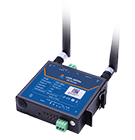
In today’s fast-paced industrial environment, network connectivity and reliability are paramount. Modern industries require robust communication systems to ensure that data flows seamlessly across production lines, control systems, and enterprise networks. This is where the industrial router becomes an indispensable tool. Unlike conventional consumer routers, industrial routers are specifically engineered to withstand harsh environments while providing stable, high-speed connectivity. In this comprehensive guide, we delve into the key features, applications, benefits, and selection criteria for industrial routers.
What is an Industrial Router?
An industrial router is a networking device designed to manage, route, and secure data in industrial settings. These routers bridge local area networks (LANs), wide area networks (WANs), and wireless networks to ensure uninterrupted communication between industrial devices, sensors, and control systems. Industrial routers are built with rugged designs, resistant to extreme temperatures, vibrations, dust, and humidity, making them suitable for factory floors, manufacturing plants, and remote monitoring sites.
Key Features of Industrial Routers
Industrial routers come with specialized features that distinguish them from standard commercial routers:
-
Rugged Hardware Design
Industrial routers are constructed with durable materials capable of withstanding temperature fluctuations, shocks, and vibration. Many models offer metal housings and conformal coatings to protect against dust, moisture, and corrosion. -
Advanced Security Protocols
Security is critical in industrial networks. Industrial routers often include VPN support, firewall integration, intrusion detection systems, and encrypted communication channels to safeguard sensitive operational data. -
High Reliability and Redundancy
Downtime can be costly in industrial operations. These routers often feature dual SIM support, multiple WAN interfaces, failover mechanisms, and power redundancy, ensuring continuous network availability. -
Versatile Connectivity Options
Industrial routers support a wide range of connectivity protocols such as Ethernet, 4G/5G cellular, Wi-Fi, serial ports, and IoT-specific protocols like Modbus and MQTT. -
Remote Management Capabilities
Many industrial routers offer remote monitoring and configuration, allowing network administrators to troubleshoot and update routers without physically visiting industrial sites.
Applications of Industrial Routers
The use of industrial routers spans multiple industries and operational scenarios. Here are some of the primary applications:
-
Manufacturing Automation
Industrial routers enable seamless communication between programmable logic controllers (PLCs), robotic arms, and industrial sensors, supporting real-time monitoring and control. -
Energy and Utilities
In sectors like oil, gas, and renewable energy, industrial routers facilitate remote monitoring of pipelines, turbines, and smart grids, ensuring operational efficiency and safety. -
Transportation and Logistics
Industrial routers are critical for fleet management, traffic control systems, and real-time tracking of shipments, providing consistent connectivity on the move. -
Smart Cities and IoT Networks
Industrial routers serve as gateways in smart city infrastructures, connecting sensors for traffic management, environmental monitoring, and public safety applications. -
Retail and Warehousing
They support inventory management systems, point-of-sale terminals, and automated storage solutions, enabling smooth data transfer across large facilities.
Benefits of Using Industrial Routers
Investing in an industrial router delivers tangible benefits to organizations:
-
Enhanced Network Stability
Unlike standard routers, industrial routers maintain stable connectivity even in harsh environments, minimizing network disruptions. -
Scalable Connectivity
Industrial routers can handle multiple devices and complex network architectures, allowing businesses to expand their operations without network limitations. -
Reduced Operational Downtime
Features such as redundant power supplies, failover mechanisms, and remote troubleshooting reduce maintenance time and prevent costly downtime. -
Improved Data Security
With enterprise-level firewalls, VPNs, and encryption, industrial routers protect sensitive operational and proprietary data from cyber threats. -
Seamless Remote Management
Remote configuration and monitoring capabilities enable IT teams to manage networks across multiple sites, improving operational efficiency and reducing on-site maintenance costs.
How to Choose the Right Industrial Router
Selecting the right cellular router requires careful consideration of operational requirements:
-
Environmental Conditions
Evaluate the operating temperature range, resistance to dust, vibration, and humidity. Choose a router rated for industrial-grade conditions. -
Connectivity Requirements
Determine the type and number of connections required: Ethernet ports, Wi-Fi capabilities, cellular networks, serial ports, and IoT protocol support. -
Network Performance
Assess throughput, latency, and bandwidth needs. Industrial routers should support high-speed data transmission for real-time control systems. -
Security Features
Ensure the router provides firewalls, VPN support, secure boot, and intrusion detection systems to protect industrial networks. -
Redundancy and Reliability
Look for routers with dual power inputs, SIM failover, and WAN redundancy to maintain uninterrupted operations. -
Remote Management Tools
Consider routers that support cloud-based management, SNMP monitoring, and remote firmware updates, reducing the need for on-site intervention.
Industrial Router vs. Standard Router
While standard routers serve typical office and home environments, industrial routers are designed for extreme conditions and mission-critical applications:
| Feature | Standard Router | Industrial Router |
|---|---|---|
| Operating Temperature | 0°C to 40°C | -40°C to 75°C |
| Durability | Low | High (shock, vibration resistant) |
| Connectivity Options | Ethernet, Wi-Fi | Ethernet, Wi-Fi, 4G/5G, Serial |
| Security | Basic firewall | Advanced security protocols |
| Remote Management | Limited | Extensive (cloud/SNMP) |
| Reliability | Moderate | High (redundancy included) |
Future Trends in Industrial Routers
As industrial operations become more connected and data-driven, industrial routers are evolving rapidly:
-
5G Integration: High-speed, low-latency 5G networks will enhance real-time industrial automation.
-
Edge Computing: Routers will increasingly integrate edge computing capabilities to process data locally and reduce latency.
-
IoT Expansion: The growth of industrial IoT devices will demand routers capable of handling massive device networks.
-
Enhanced Cybersecurity: As threats evolve, industrial routers will continue integrating AI-driven security monitoring for proactive defense.
Conclusion
An industrial router is more than a simple network device; it is the backbone of modern industrial connectivity. From manufacturing automation to smart city infrastructure, industrial routers provide reliable, secure, and scalable network solutions for mission-critical operations. Selecting the right router involves understanding your environmental conditions, connectivity needs, security requirements, and management preferences. Investing in the right industrial router ensures seamless data communication, enhances operational efficiency, and reduces downtime, ultimately contributing to the long-term success of your industrial operations.

 English
 Arabic
 Spanish
 Portuguese
 Deutsch
 Turkish
 Dutch
Dutch
 Italiano
 Russian
 Romaian
 Portuguese (Brazil)
 Greek
Greek