


Artificial Intelligence in Agriculture: Cultivating Smarter Farms for a Sustainable Future
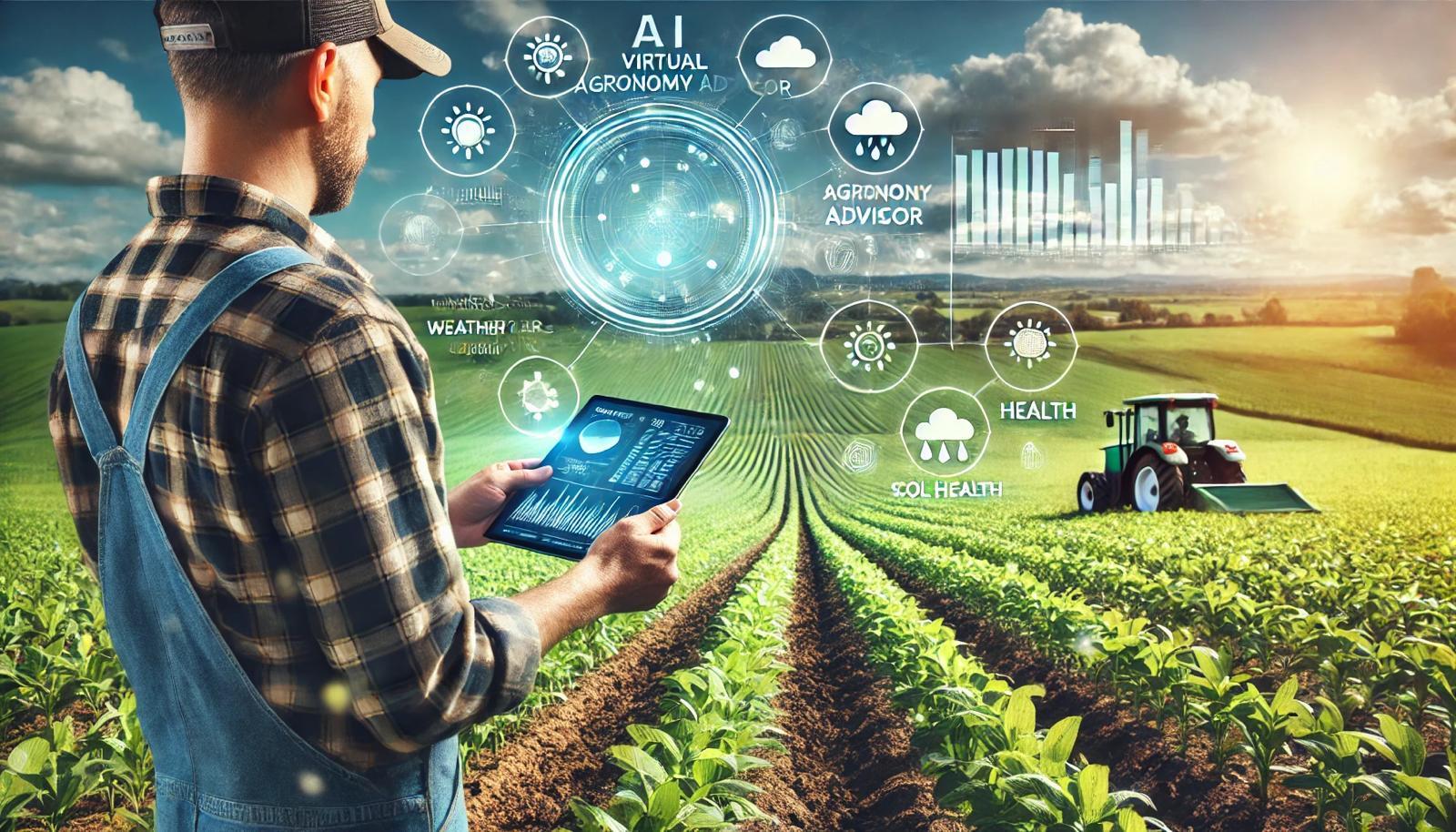
Agriculture has always been the backbone of human civilization—but in the 21st century, it is undergoing a technological renaissance driven by artificial intelligence (AI). As the global population rises, the challenge of producing more food on limited land, with fewer resources and under changing climatic conditions, has never been greater. AI in agriculture offers a revolutionary solution—helping farmers make data-driven decisions, optimize productivity, and achieve sustainability through intelligence, automation, and precision.
At its core, AI in agriculture integrates machine learning, computer vision, robotics, and data analytics to enhance every stage of the farming process. From soil preparation to harvesting, AI-powered systems collect and analyze massive amounts of data to provide actionable insights. For example, sensors and drones equipped with AI can monitor crop health, detect early signs of pest infestations, and identify nutrient deficiencies—all in real time. This allows farmers to act swiftly, applying water, fertilizer, or pesticide exactly when and where it’s needed rather than relying on guesswork.
One of the most impactful applications of AI is in precision agriculture—a farming approach that uses technology to optimize inputs and maximize yield. AI systems analyze environmental data such as temperature, rainfall, and soil composition, helping farmers predict which crops will perform best under specific conditions. Machine learning models can also forecast weather patterns and soil moisture levels, allowing for better irrigation management and resource conservation. The result is higher efficiency, lower waste, and healthier crops—benefiting both farmers and the planet.
AI is also transforming farm machinery through automation. Self-driving tractors, robotic seed planters, and autonomous harvesters are eliminating repetitive labor while improving accuracy. Drones, guided by AI algorithms, can map vast fields, monitor crop development, and even perform spraying tasks with pinpoint precision. These innovations are particularly valuable in regions facing labor shortages and rising operational costs, as they streamline processes while maintaining crop quality.
Beyond the field, artificial intelligence plays a crucial role in supply chain management and market forecasting. AI tools track crop conditions, inventory levels, and global demand trends, helping farmers and distributors minimize post-harvest loss and maximize profit. Predictive analytics identify optimal harvesting times, automate logistics, and match supply with demand. This level of insight empowers small-scale farmers with the same forecasting tools once reserved for large agribusinesses, leveling the competitive field.
Another emerging area is livestock management. AI-driven monitoring systems use cameras and sensors to track animal health, behavior, and feeding patterns, enabling early disease detection and precision feeding. Such proactive management improves animal welfare while reducing feed waste and veterinary costs.
The introduction of AI in agriculture also supports sustainability and environmental stewardship. By reducing the overuse of chemicals and water through precise targeting, AI-driven systems minimize environmental impact. The technology promotes regenerative agriculture practices, such as using data to improve soil health and biodiversity. As consumers increasingly value eco-friendly and traceable food production, AI helps ensure transparency along the entire food chain.
Challenges remain, of course. Data privacy, technology costs, and rural connectivity can limit widespread adoption—especially for smallholder farmers in developing regions. However, as technology becomes more affordable and cloud-based services expand, these barriers are slowly decreasing. Governments and tech companies are also collaborating to create open data platforms, supporting farmers with AI tools tailored to their local needs.
Source - https://www.marketresearchfuture.com/reports/artificial-intelligence-in-agriculture-market-22590
In essence, artificial intelligence in agriculture is not just about automation—it’s about empowerment. It allows farmers to produce more with less, reduce uncertainty, and build resilience against climate change. From drone-assisted planting to predictive soil analytics, AI is cultivating a new wave of smart farming that combines science, efficiency, and sustainability.
The farm of the future will not just be green—it will be intelligent. Through AI, agriculture is evolving from tradition to transformation, ensuring that humanity’s oldest craft continues to feed the world in smarter, more sustainable ways.

 English
 Arabic
 French
 Spanish
 Portuguese
 Deutsch
 Turkish
 Dutch
Dutch
 Italiano
 Romaian
 Portuguese (Brazil)
 Greek
Greek