


How to Document a Client’s Verbal Refusal of a Patch Test for Public Event Insurance
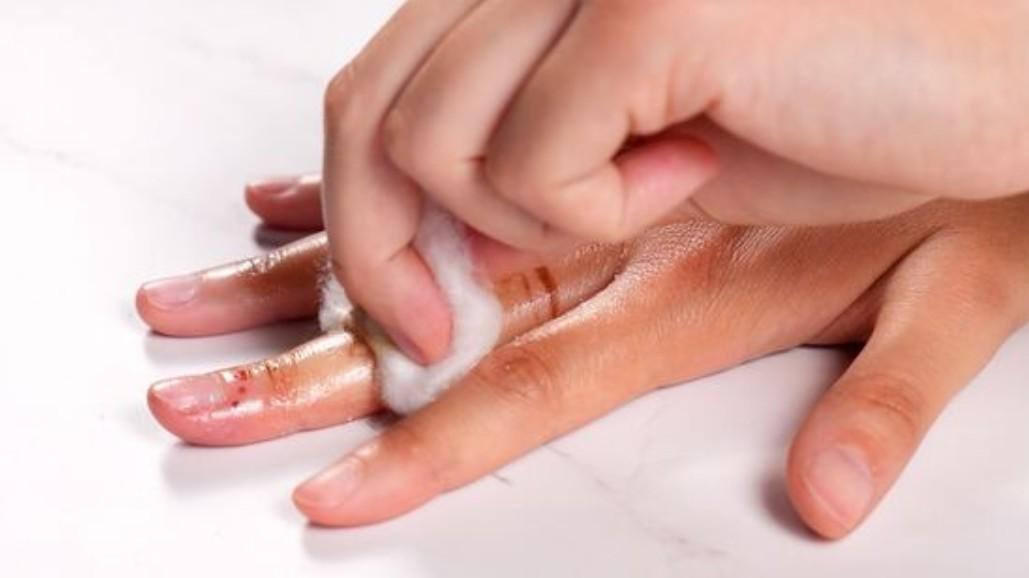
Operating at a high-traffic public event, such as a festival, wedding fair, or corporate gala, presents a unique set of logistical and legal challenges for beauty and body art professionals. In these fast-paced environments, the standard 24-to-48-hour patch test protocol is often impossible to fulfill for "walk-in" clients who desire immediate service. However, professional liability insurance policies usually mandate a patch test to protect the practitioner against claims arising from allergic reactions. When a client verbally refuses a patch test or insists on proceeding despite the lack of one, the burden of proof shifts entirely to the professional. Without a robust documentation strategy, a verbal refusal is virtually impossible to prove in a court of law or during an insurance audit.
The Scientific and Insurance Context of Patch Testing
The requirement for patch testing is rooted in the chemistry of the products used, particularly when dealing with dyes that may contain Para-phenylenediamine (PPD) or other sensitizers. Insurance companies view the omission of a patch test as an increase in "avoidable risk." Most standard public event policies include a clause stating that the practitioner must follow the manufacturer’s instructions for use. If those instructions include a mandatory skin test, failing to perform one can lead to an immediate denial of a claim if a client suffers a reaction.
The Legal Pitfalls of "He Said, She Said" Scenarios
The most significant risk of accepting a verbal refusal without proper documentation is the "he said, she said" dynamic that emerges during a legal dispute. If a client develops a severe reaction three days after an event, their memory of the interaction may change. They might claim that the artist never offered a patch test or failed to warn them of the potential consequences. In the eyes of a judge or an insurance ombudsman, the professional is held to a higher standard of conduct than the consumer. Without a written or digital record of the refusal, the legal system will almost always favor the claimant, assuming that the professional was negligent in their duties.
To avoid this trap, the documentation must be contemporaneous—meaning it must be recorded at the exact time of the refusal. Retrospective notes written hours or days after the event are often dismissed as unreliable or self-serving. A professional documentation log should include the client’s name, the date, the exact time, and a brief description of the information provided to the client regarding the risks of forgoing the test. This level of detail transforms a simple refusal into a formal legal waiver, effectively transferring the risk back to the client and protecting the artist from claims of professional negligence.
Professional Competency and Advanced Risk Management
Navigating these high-stakes interactions requires a level of professional confidence that is built through structured education and industry-standard training. It is not enough to be a talented artist; one must also be a competent business owner who understands the regulatory frameworks of the beauty and body art industry. Many professionals find that the most effective way to master these administrative nuances is by completing a recognized henna course that covers both the artistic application and the vital safety protocols. This type of training ensures that you are familiar with the specific chemical components of your products and the legal requirements for insurance compliance.
By obtaining formal accreditation, a practitioner gains the authority to lead consultations more effectively. When you can explain the "why" behind a patch test with scientific accuracy, clients are more likely to respect your professional boundaries. Furthermore, a structured educational background provides you with the templates and checklists necessary to manage a busy event stall without compromising on your documentation duties. This specialized knowledge is what separates a hobbyist from a professional who is capable of securing and maintaining high-value event insurance, ensuring that their career is protected against the unpredictability of human biology and legal liability.
Creating a Robust Refusal Log for Event Settings
In the middle of a crowded event, you need a documentation method that is both fast and comprehensive. The most effective tool is a dedicated "Refusal of Patch Test" logbook or a digital equivalent on a tablet. This log should feature a pre-printed statement that the client must read. The statement should explicitly say: "I acknowledge that a patch test was offered to me and explained as a requirement for service. I voluntarily choose to waive this test and accept all associated risks of an allergic reaction." By having the client sign or initial next to this specific wording, you create a physical piece of evidence that is difficult to challenge.
Witness Verification and the Role of Peer Corroboration
Whenever possible, having a witness to the verbal refusal adds an extra layer of protection to your documentation. In a public event, this could be a colleague, an assistant, or even the person accompanying the client. After the client has signed the refusal log, the witness should add their signature to confirm that they heard the practitioner offer the test and saw the client refuse it. This third-party verification makes the documentation significantly more robust, as it provides a second, unbiased account of the interaction. It is much harder for a claimant to argue that they were "pressured" or "uninformed" when two different people can testify to the contrary.
Communicating the "Informed" Part of Informed Consent
Documentation is only effective if it truly reflects a state of informed consent. To achieve this, the practitioner must use clear, non-technical language to explain the risks. Instead of just saying "you might have a reaction," the artist should specify that "without a patch test, there is a risk of severe itching, swelling, blistering, or permanent scarring at the site of the application." When these specific outcomes are mentioned and subsequently recorded in the documentation log, it becomes clear that the client was fully aware of the stakes. This prevents the client from later claiming that they "didn't realize it could be that bad."
The interaction should be documented as a "Refusal after Risk Disclosure." In your notes, you should check off which risks were discussed. This proves that you fulfilled your professional duty to warn the client. Many insurance policies require that the practitioner acts as a "reasonable person" would in the same situation. A reasonable professional would warn of the specific dangers, and by documenting these warnings, you align your conduct with the highest industry standards. This transparency builds a relationship of trust with the client while simultaneously creating an airtight barrier against potential litigation or insurance disputes following the event.
Finalizing the Event Record and Long-Term Archiving
Once the event is over, the documentation process is still not complete. All refusal logs and signed waivers must be safely archived. Insurance companies often have a "look-back" period, meaning a claim could be filed several months or even years after the service was provided. In most jurisdictions, it is recommended to keep these records for at least three to seven years. Physical logs should be scanned into a secure, cloud-based storage system to prevent loss due to fire, water damage, or misplacement. Having a digital backup ensures that you can produce the evidence at a moment's notice, even if the original paper copy has degraded.

 Arabic
 French
 Spanish
 Portuguese
 Deutsch
 Turkish
 Dutch
 Italiano
 Russian
 Romaian
 Portuguese (Brazil)
 Greek