


Does Sewer Smell Come and Go?
Many homeowners notice that sewer odors are not always constant. One day the smell is strong, and the next day it seems to disappear completely. Then suddenly, it comes back again without warning. This can make sewer problems confusing and frustrating to diagnose.
If you are dealing with a sewer smell in house issue that appears on and off, the smell is usually being triggered by specific plumbing conditions, airflow changes, or hidden sewer line problems. Even if the odor disappears temporarily, it should not be ignored because the underlying cause may still be active.
In this guide, we’ll explain why sewer smells come and go, the most common causes behind intermittent odors, and how to stop the problem before it gets worse.
Why Sewer Smells Are Sometimes Temporary
Sewer odors can change depending on:
- Water usage
- Temperature
- Humidity
- Air pressure
- Drain activity
- Ventilation
- Sewer line conditions
Because these factors constantly change throughout the day, the smell may only appear during certain times or under specific conditions.
For example, you may notice the odor:
- After flushing a toilet
- During hot weather
- After heavy rain
- At night
- When running water
- After using the washing machine
This doesn’t mean the problem fixed itself. It usually means conditions temporarily changed and reduced the amount of sewer gas entering the home.
Common Reasons Sewer Smell Comes and Goes
Several plumbing issues can create intermittent sewer odors.
1. Dry P-Traps
One of the most common causes of an occasional sewer smell is a dry P-trap.
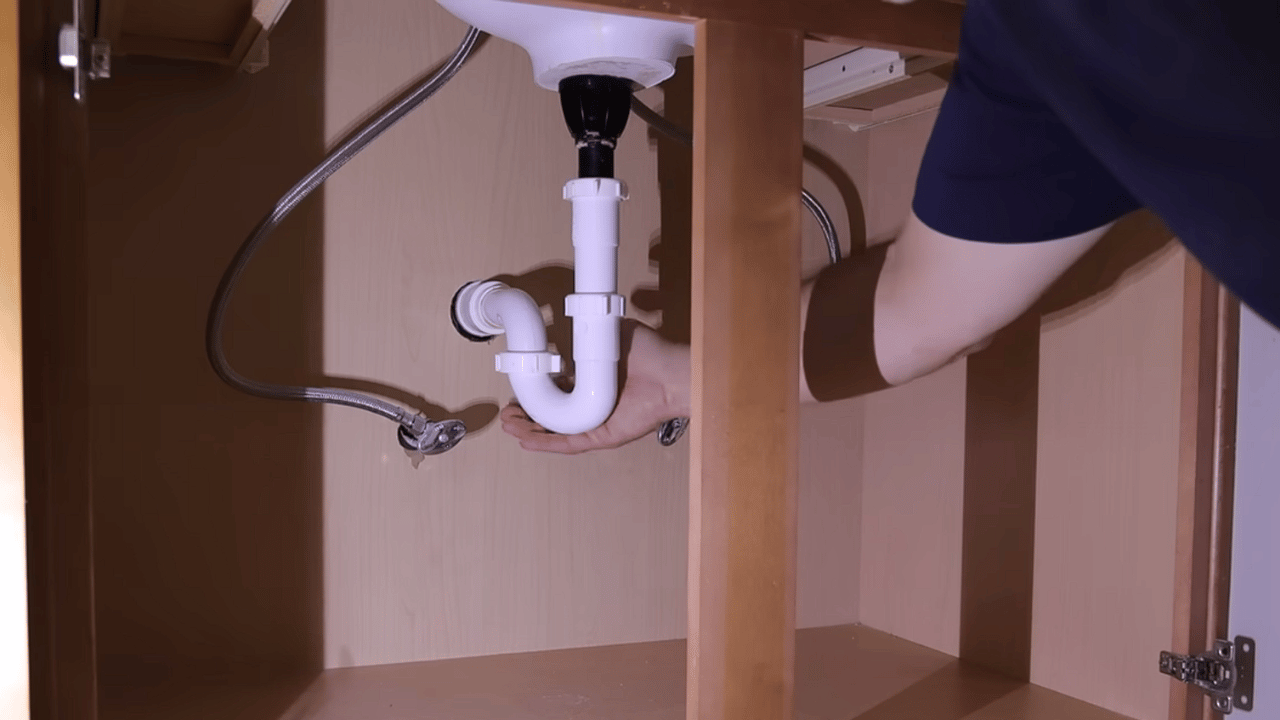
Every sink, shower, tub, and floor drain contains a curved pipe called a P-trap. This pipe holds water that blocks sewer gas from traveling back into the home. If the drain is rarely used, the water can evaporate.
Sometimes the trap partially dries out, allowing sewer gas to leak only during certain airflow conditions.
Common Areas Affected
- Guest bathrooms
- Basement floor drains
- Laundry room drains
- Unused showers
Why the Smell Comes and Goes
The smell may become stronger:
- During hot weather
- When HVAC systems create air pressure changes
- When nearby plumbing fixtures are used
Running water into unused drains often restores the barrier and temporarily removes the smell.
2. Blocked Plumbing Vent Pipes
Your plumbing system uses roof vent pipes to safely release sewer gases outside. If these vents become partially blocked, sewer gas may occasionally back up into the home.
Leaves, bird nests, dirt, and debris are common causes of vent blockages.
Signs of a Vent Problem
- Gurgling sinks or toilets
- Slow drains
- Bubbling sounds
- Odors after flushing
Why the Smell Changes
A partially blocked vent may work sometimes but fail during heavy water usage or weather changes. Wind direction and pressure can also affect how sewer gas moves through the system.
3. Temperature and Weather Changes
Weather plays a surprisingly large role in sewer odors.
Hot Weather
Heat intensifies sewer gases and increases odor strength. During warm temperatures, sewer smell in house issues often become more noticeable.
Rain and Humidity
Heavy rain can overload sewer systems or shift air pressure inside pipes. Moisture also traps odors closer to the ground, making them easier to notice.
Wind Conditions
Strong winds can create pressure changes inside plumbing vents, sometimes forcing sewer gases back indoors temporarily.
4. Sewer Line Damage
Cracked or damaged sewer lines often cause intermittent odors. Small cracks may only release noticeable sewer gas under certain conditions.
Causes of Sewer Line Damage
- Tree root intrusion
- Aging pipes
- Corrosion
- Soil shifting
- Ground movement
Why the Smell Isn’t Constant
Airflow underground changes throughout the day. Soil moisture, water flow, and outdoor temperature can affect how sewer gas escapes from damaged pipes.
The smell may also become stronger after using multiple plumbing fixtures at once.
5. Toilet Seal Problems
Toilets use a wax ring seal at the base to prevent sewer gas leaks. If the seal becomes loose or damaged, odors may leak out intermittently.
Signs of a Bad Toilet Seal
- Smell strongest near the toilet
- Toilet rocks slightly
- Water around the base
- Odor increases after flushing
The smell may come and go depending on bathroom usage and pressure changes inside the drain system.
6. Partial Drain Clogs
A partially clogged drain may trap waste and create odors that appear occasionally.
Kitchen sinks are especially vulnerable because grease and food buildup can produce strong smells.
Bathroom drains often collect:
- Hair
- Soap scum
- Debris
Why the Smell Fluctuates
Water flow can temporarily wash odors deeper into the pipe before they return again later.
Slow drains and recurring clogs are usually warning signs.
7. HVAC and Air Pressure Changes
Heating and cooling systems can affect sewer odors more than many people realize.
When HVAC systems run, they create air pressure changes inside the home. Negative pressure may pull sewer gas from small plumbing leaks or dry drains.
Common Situations
- Smell appears when AC turns on
- Odor stronger during heating season
- Sewer smell near vents
This is especially common in tightly sealed homes with limited airflow.
Can Sewer Smells Be Dangerous?
Occasional sewer odors are usually more unpleasant than dangerous, but persistent sewer gas exposure should not be ignored.
Sewer gas may contain:
- Hydrogen sulfide
- Methane
- Ammonia
Long-term exposure may lead to:
- Headaches
- Dizziness
- Nausea
- Eye irritation
- Fatigue
Methane gas is also flammable in large concentrations.
If the smell keeps returning, it’s important to locate and fix the source.
How to Stop Sewer Smells From Returning
Temporary odor fixes often fail because the root plumbing issue remains unresolved.
Helpful Prevention Steps
- Run water in unused drains regularly
- Clean drains frequently
- Keep plumbing vents clear
- Address slow drains quickly
- Repair leaks early
- Schedule sewer inspections
- Watch for signs of sewer line damage
Preventive maintenance can help stop recurring odors before they turn into larger sewer problems.
When Should You Call a Professional?
You should contact a plumbing expert if:
- Sewer smells return repeatedly
- Multiple drains smell at once
- Toilets gurgle or bubble
- Drains back up
- Odors worsen after rain
- You suspect sewer line damage
- The source cannot be identified
Recurring sewer smell in house problems often require professional inspection equipment to diagnose properly.
At NuFlow DFW, sewer camera inspections and trenchless sewer repair services help homeowners locate hidden sewer problems without unnecessary digging. Identifying the issue early can prevent expensive repairs and long-term plumbing damage.
Final Thoughts
Yes, sewer smells can absolutely come and go. In fact, intermittent odors are often one of the first signs that something inside the plumbing system is beginning to fail.
Changes in weather, airflow, water usage, and plumbing pressure can all affect when sewer odors become noticeable. While the smell may disappear temporarily, the underlying issue usually remains.
If sewer odors continue returning, it’s important to investigate the cause before the problem becomes more serious. Early plumbing inspections and routine maintenance can help keep your home safe, comfortable, and odor-free.

 English
 Arabic
 French
 Spanish
 Portuguese
 Deutsch
 Turkish
 Dutch
 Italiano
 Russian
 Romaian
 Greek