


Managing PCOS: A Gynecological Perspective
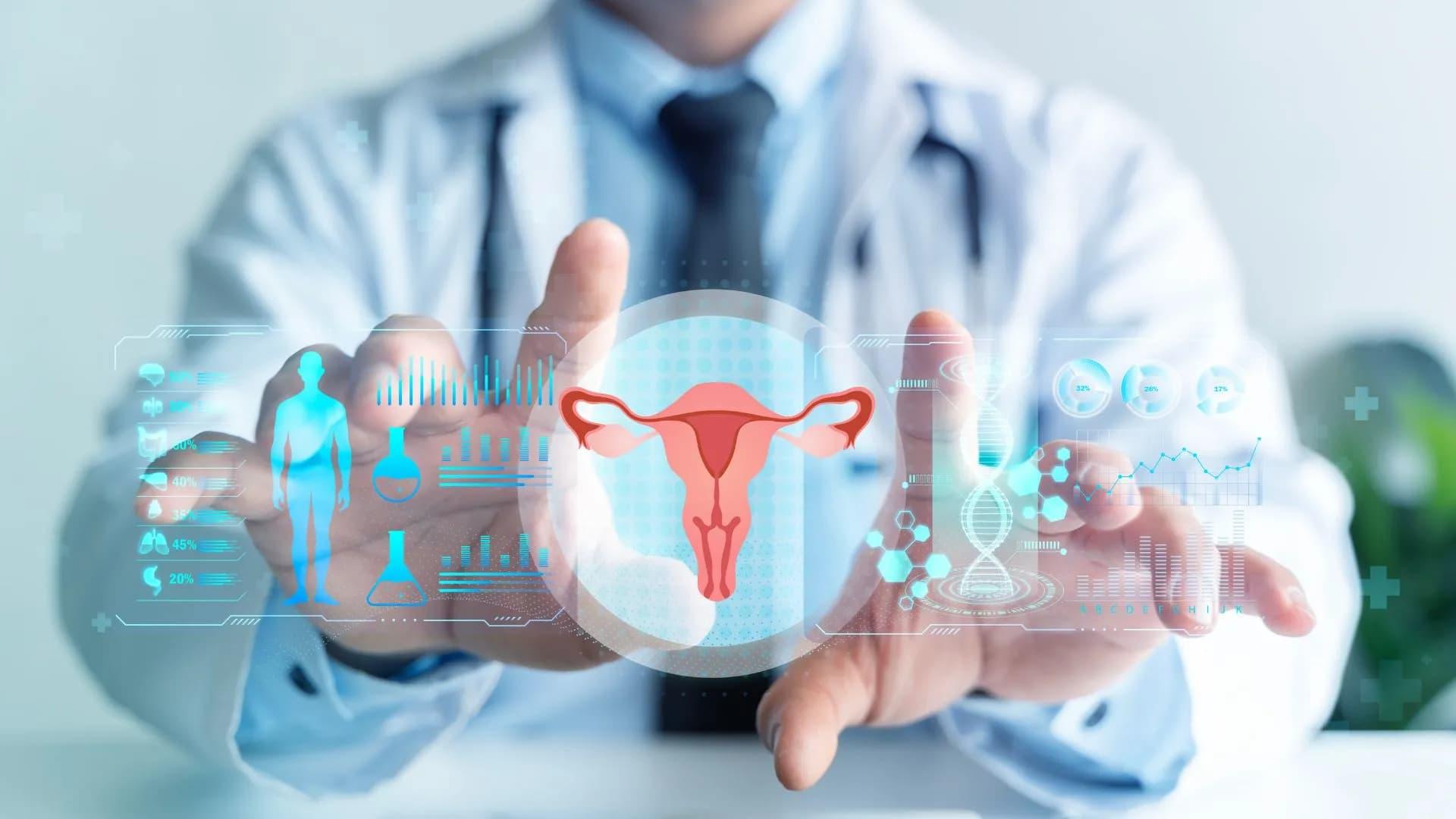
Polycystic Ovary Syndrome (PCOS) is one of the most common hormonal disorders affecting women of reproductive age, and it requires a comprehensive gynecological approach for effective management. It impacts menstrual cycles, fertility, metabolism, and even emotional well-being, making early diagnosis and ongoing care essential. Many individuals seeking General Gynecology Riyadh services do so after experiencing symptoms such as irregular periods, weight changes, or difficulty conceiving, all of which may be linked to PCOS. Understanding this condition from a gynecological perspective helps in creating structured, long-term management plans that improve both reproductive and overall health outcomes.
What PCOS Is and How It Develops:
PCOS is a hormonal imbalance condition where the ovaries may develop multiple small cyst-like follicles and fail to release eggs regularly. This disruption in ovulation leads to irregular cycles and elevated levels of androgens (male hormones), which can cause a variety of symptoms.
Key features of PCOS include:
- Irregular or absent menstrual cycles
- Excess androgen levels
- Polycystic-appearing ovaries on ultrasound
- Ovulation difficulties
- Metabolic irregularities in some patients
The exact cause is not fully understood, but genetics, insulin resistance, and lifestyle factors all play a role in its development.
Common Symptoms of PCOS:
PCOS symptoms can vary widely from one woman to another, making diagnosis sometimes challenging. Some women may experience mild symptoms, while others face more significant reproductive and metabolic issues.
Common symptoms include:
- Irregular or missed periods
- Excess facial or body hair (hirsutism)
- Acne or oily skin
- Weight gain or difficulty losing weight
- Thinning scalp hair
- Difficulty conceiving
Because these symptoms overlap with other conditions, medical evaluation is essential for accurate diagnosis and treatment planning.
Gynecological Diagnosis of PCOS:
A gynecological approach to diagnosing PCOS involves a combination of clinical evaluation, laboratory testing, and imaging. This comprehensive assessment helps rule out other conditions and confirm the diagnosis.
Diagnostic methods include:
- Detailed menstrual and medical history
- Hormonal blood tests (LH, FSH, testosterone, insulin levels)
- Pelvic ultrasound to assess ovarian structure
- Thyroid and prolactin testing
- Physical examination of symptoms
Patients visiting General Gynecology Riyadh clinics often undergo these evaluations to ensure a clear and accurate diagnosis before starting treatment.
The Role of Hormones in PCOS:
Hormonal imbalance is the core issue in PCOS, affecting ovulation, metabolism, and physical symptoms. Elevated androgen levels and insulin resistance are commonly involved, disrupting normal reproductive function.
Key hormonal factors include:
- Increased androgens leading to acne and hair growth
- Insulin resistance contributing to weight gain
- Low or irregular progesterone due to lack of ovulation
- Imbalanced LH and FSH ratios
- Disrupted estrogen-progesterone cycles
Understanding these hormonal changes is essential for designing effective treatment strategies.
Managing PCOS Through Lifestyle Changes:
Lifestyle modification is one of the most effective first-line approaches in managing PCOS. Even small changes can significantly improve symptoms and hormonal balance.
Recommended lifestyle strategies include:
- Maintaining a balanced, low-glycemic diet
- Regular physical activity and exercise
- Weight management to improve insulin sensitivity
- Stress reduction techniques such as yoga or meditation
- Adequate sleep and hydration
These changes help regulate cycles, improve fertility, and reduce metabolic risks associated with PCOS.
Medical Treatment Options for PCOS:
In addition to lifestyle changes, medical treatments are often used to manage symptoms and restore hormonal balance. Treatment is tailored based on individual symptoms and fertility goals.
Common treatment options include:
- Hormonal contraceptives to regulate menstrual cycles
- Anti-androgen medications for hair and acne control
- Metformin to improve insulin resistance
- Ovulation-inducing medications for fertility support
- Topical or dermatological treatments for skin symptoms
Clinics offering General Gynecology Riyadh services typically customize treatment plans based on the severity and type of symptoms.
PCOS and Fertility Challenges:
One of the most significant concerns for women with PCOS is its impact on fertility. Irregular ovulation can make it more difficult to conceive, but many effective treatments are available.
Fertility-related issues include:
- Infrequent or absent ovulation
- Irregular menstrual cycles
- Hormonal imbalance affecting egg quality
- Increased risk of miscarriage in some cases
- Delayed conception timelines
With proper gynecological care, many women with PCOS successfully achieve pregnancy through medication or assisted reproductive techniques.
Long-Term Health Risks of PCOS:
PCOS is not only a reproductive condition but also a metabolic one, meaning it can have long-term health implications if not managed properly. Regular monitoring is essential.
Potential long-term risks include:
- Type 2 diabetes due to insulin resistance
- High cholesterol and cardiovascular issues
- Endometrial hyperplasia from irregular cycles
- Obesity-related complications
- Mental health challenges such as anxiety or depression
Early intervention significantly reduces these risks and improves quality of life.
Emotional and Psychological Impact of PCOS:
PCOS can affect emotional well-being due to its physical symptoms, fertility concerns, and hormonal fluctuations. Psychological support is an important part of comprehensive care.
Emotional challenges may include:
- Anxiety about fertility
- Low self-esteem due to physical changes
- Depression or mood swings
- Stress from long-term symptom management
- Body image concerns
Supportive care, counseling, and patient education help improve mental well-being alongside physical treatment.
Importance of Regular Gynecological Care:
Ongoing gynecological care is essential for managing PCOS effectively. Regular monitoring helps track progress, adjust treatment, and prevent complications.
Key benefits of regular care include:
- Monitoring hormonal levels over time
- Adjusting treatment based on symptom changes
- Early detection of complications
- Fertility planning and support
- Personalized long-term management strategies
Many patients rely on General Gynecology Riyadh services for continuous support and follow-up care in managing PCOS.
Final Thoughts:
Managing PCOS requires a comprehensive gynecological approach that combines lifestyle changes, medical treatment, and long-term monitoring. While the condition can affect many aspects of health, it is highly manageable with proper care and early intervention. With consistent support, personalized treatment, and informed health choices, women with PCOS can effectively control symptoms, improve fertility outcomes, and maintain a better quality of life.

 English
 Arabic
 French
 Spanish
 Portuguese
 Deutsch
 Turkish
 Dutch
 Italiano
 Russian
 Romaian
 Greek