


Bariatric Surgery in Islamabad: What Surprises Patients Most After Surgery
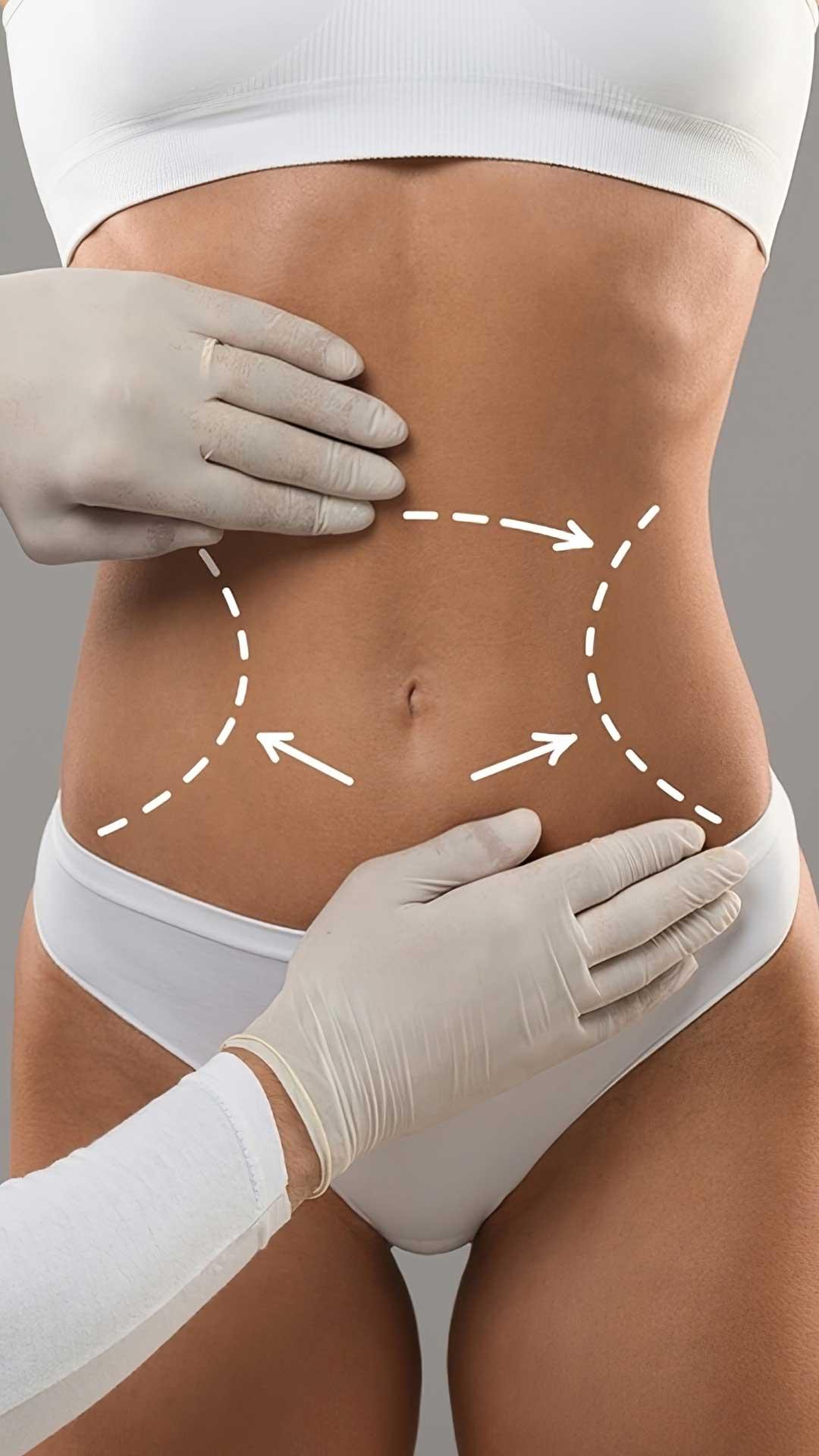
Many people preparing for weight-loss procedures expect the biggest changes to be physical—smaller portions, rapid weight loss, and improved health markers. While these are certainly part of the journey, what often surprises patients is how many unexpected shifts occur in daily life, emotions, habits, and even relationships with food. The experience is not just about the body shrinking but about learning a completely new way of living that feels unfamiliar at first. In procedures such as Bariatric Surgery in Islamabad, patients frequently discover that the most surprising changes are not the ones they planned for, but the ones that quietly reshape their entire routine.
Food Becomes Less Important Than Expected
One of the biggest surprises is how much less food matters in daily life.
Food no longer dominates thoughts or planning.
Eating becomes a small part of the day instead of a central focus.
Why Hunger Feels Different or Even Confusing
Many patients expect to feel hungry as usual but in smaller amounts.
Instead, hunger often feels reduced or delayed.
The body sends different signals than before.
Portion Sizes Feel Shockingly Small
Patients are often surprised by how little food they can comfortably eat.
Even a few bites can feel satisfying.
Old portion habits no longer apply.
The Speed of Fullness Is Unexpected
Fullness often arrives within minutes of eating.
This quick response can feel strange at first.
The stomach signals satiety earlier than before.
Emotional Eating Loses Its Strength
Many individuals are surprised when stress or emotional eating no longer feels automatic.
Food is no longer a strong coping mechanism.
Emotional triggers weaken significantly.
Energy Levels Do Not Drop as Expected
Some expect constant fatigue due to lower food intake.
Instead, energy often improves over time.
The body becomes more efficient with fuel.
Taste Preferences Begin to Change
A surprising shift is that food preferences may change dramatically.
Sweet or heavy foods may feel less appealing.
Healthier options become more satisfying.
Social Eating Feels Different
Eating with family or friends can feel unfamiliar.
Portion differences may stand out in social settings.
Social habits slowly adjust.
Mental Clarity Improves Over Time
Many patients report clearer thinking and reduced “food noise.”
Constant thoughts about eating decrease.
Mental focus improves noticeably.
Why Cravings Reduce but Do Not Disappear Completely
Patients are surprised that cravings don’t vanish entirely.
They become weaker but may still appear occasionally.
Control improves, not elimination.
The Slow Shift in Self-Identity
As weight changes, self-image takes time to catch up.
Many feel mentally the same despite physical changes.
Identity evolves gradually.
Clothing and Body Awareness Changes Quickly
Clothes often fit differently sooner than expected.
This creates a constant reminder of transformation.
Body awareness becomes more noticeable.
Hydration Feels More Important Than Ever
Patients are surprised by how essential water intake becomes.
Dehydration is felt more quickly than before.
Hydration becomes a daily priority.
The Role of Habit Disruption
Old eating routines no longer work the same way.
This creates a sense of confusion initially.
New habits must be built from scratch.
Why Overeating Feels Physically Uncomfortable
Unlike before, eating too much causes immediate discomfort.
This acts as a natural control mechanism.
The body enforces limits clearly.
Emotional Ups and Downs Are Normal
Many expect constant happiness after surgery.
Instead, mood fluctuations are common in early recovery.
Emotional adjustment takes time.
Sleep Patterns May Improve Unexpectedly
Some patients notice better sleep quality after surgery.
This is often surprising but welcome.
Rest becomes deeper and more stable.
Physical Movement Feels Easier Faster Than Expected
Even small weight changes can improve mobility quickly.
Walking and daily tasks feel easier.
Physical comfort improves gradually.
Food No Longer Feels Like Entertainment
Eating for enjoyment decreases significantly.
Food becomes functional rather than emotional.
This shift feels surprising at first.
The Importance of Routine Becomes Clear
Structured eating and hydration schedules become essential.
Without routine, discomfort may increase.
Discipline supports recovery.
Why Mental Adjustment Takes Longer Than Physical Change
The body changes faster than the mind adapts.
This mismatch can feel confusing.
Emotional adaptation requires patience.
Relationships With Food Improve Slowly
Patients gradually rebuild healthier eating habits.
This process is not instant.
Consistency shapes long-term success.
The Feeling of Control Returns
Many are surprised by regained control over eating behaviors.
Food no longer dictates choices.
Control feels empowering.
Plateaus Feel Emotionally Challenging
Weight loss is not always continuous.
Plateaus can feel discouraging but are normal.
Progress still continues internally.
The Role of Patience in Transformation
Long-term success depends on accepting gradual change.
Impatience can create frustration.
Time ensures stability.
Why Support Systems Matter More Than Expected
Encouragement from others becomes essential during adjustment.
Isolation can make adaptation harder.
Support strengthens motivation.
Long-Term Lifestyle Change Feels Inevitable
Eventually, new habits feel natural.
Old patterns fade into the background.
Lifestyle transformation becomes permanent.
Frequently Asked Questions
What surprises patients most is often reduced hunger, small portion sizes, and emotional changes in eating behavior.
Another question is whether energy improves. Yes, many patients feel more energetic over time.
People also ask if cravings disappear. They usually reduce but may not vanish completely.
Another concern is emotional adjustment. Mood changes are common and temporary.

 English
 French
 Spanish
 Portuguese
 Deutsch
 Turkish
 Dutch
 Italiano
 Russian
 Romaian
 Portuguese (Brazil)
 Greek