


Stepper Motor Manufacturer Smooth Motor: Features That Improve Efficiency
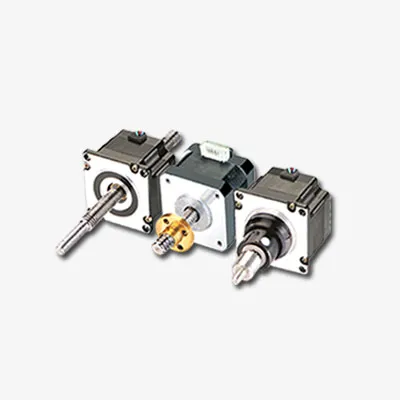
Efficiency in stepper motor applications touches multiple dimensions simultaneously, from the electrical efficiency of the motor itself to how effectively that motor performance translates into overall system efficiency once integrated into a complete machine or automation system. Understanding which specific features genuinely improve efficiency helps buyers make more informed decisions when comparing stepper motor options for applications where energy consumption, heat generation, or overall system performance efficiency genuinely matters to the project's success.
Optimized Winding Design for Electrical Efficiency
Electrical efficiency starts with winding design, where the relationship between wire gauge, turn count, and overall coil resistance directly affects how much electrical energy converts into useful mechanical torque versus how much simply generates unwanted heat within the motor windings during operation. A stepper motor manufacturer focused on efficiency optimizes this winding design specifically for the target application's actual operating voltage and current characteristics, rather than using a generic winding approach that might work adequately across many applications but doesn't specifically maximize efficiency for any particular one of them individually.
Reduced Iron Losses Through Core Material Selection
Beyond winding design, the magnetic core materials used in motor construction significantly affect efficiency through iron losses, including both hysteresis losses and eddy current losses that occur as the magnetic field within the motor's core material changes during normal operation. Selecting appropriate core materials and construction techniques that minimize these iron losses helps improve overall motor efficiency, particularly important for applications involving higher operating speeds where these iron losses tend to become proportionally more significant compared to lower-speed operating conditions.
Bearing Selection and Mechanical Friction Reduction
Mechanical efficiency depends significantly on bearing selection and overall mechanical assembly quality, since friction within the motor's bearing system represents pure mechanical loss that reduces the amount of useful torque actually delivered to the application compared to the theoretical torque the motor's electrical design would otherwise support. High-quality bearing selection, proper lubrication, and precise mechanical assembly all contribute to minimizing this friction-related efficiency loss, delivering more of the motor's theoretical performance capability as genuinely useful output torque available for the actual application task.
Driver Compatibility and System-Level Efficiency
Motor efficiency exists within a broader system context, and features that improve compatibility with efficient driver technologies, including support for advanced microstepping algorithms and current control techniques, help ensure that overall system efficiency benefits from both motor-level and driver-level efficiency improvements working together rather than one component's efficiency gains being undermined by inefficiencies elsewhere in the motion control system. Understanding this system-level efficiency perspective helps buyers evaluate motor selection decisions within the broader context of their complete motion control system design rather than focusing exclusively on motor specifications in isolation.
Thermal Design That Supports Sustained Performance
Efficient thermal design, including appropriate heat dissipation pathways and thermally optimized construction, helps motors maintain consistent performance over extended operating periods rather than experiencing efficiency degradation as internal temperatures rise during sustained operation. This thermal efficiency consideration becomes particularly important for applications involving continuous or near-continuous operation, where sustained thermal performance directly affects both energy efficiency and long-term reliability across extended operating periods spanning full production shifts or continuous automated operation.
Measuring and Comparing Real-World Efficiency Performance
Ultimately, evaluating efficiency improvements requires real-world performance measurement rather than relying purely on theoretical specifications, since actual efficiency depends on the specific combination of operating voltage, speed, torque, and duty cycle a particular application actually experiences during normal operation. Buyers genuinely concerned about efficiency should request actual performance data relevant to their specific operating conditions, using this real-world data to make meaningful efficiency comparisons between different motor options rather than relying solely on generic published specifications that might not fully reflect efficiency performance under their particular application's actual operating conditions. Buyers who prioritize this kind of real-world efficiency verification, rather than relying purely on datasheet comparisons, consistently identify motor options that deliver genuinely better energy performance across the actual conditions their application will experience day after day.

 English
 French
 Spanish
 Portuguese
 Deutsch
 Turkish
 Dutch
 Italiano
 Russian
 Romaian
 Portuguese (Brazil)
 Greek