


How HYRT Wholesale Irrigation Equipment Helps Reduce Water Waste and Operating Costs
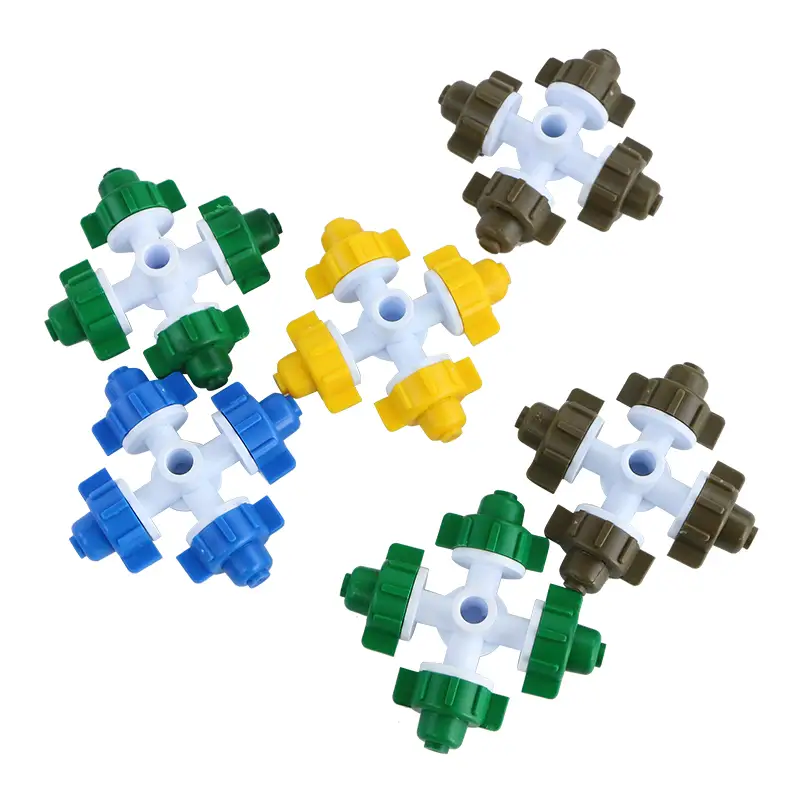
Water waste is an expensive problem, both in terms of the resource itself and the energy required to pump, treat, and distribute it across a property of any meaningful size. Farms and landscaping businesses looking to control operating costs are increasingly turning to well-designed irrigation systems as a practical way to address both issues at once, rather than treating water and energy costs as separate line items with no shared solution connecting them. This is a detail that often gets decided early in a project and then rarely revisited, even though its effects continue to play out season after season.
Targeted Delivery Reduces Evaporation Losses
Traditional overhead watering methods lose a significant percentage of water to evaporation before it ever reaches plant roots, particularly in hot, dry, or windy conditions where a sprinkler pattern can drift or dry out mid-air before landing where it was intended. Drip systems minimize this loss by applying water directly at ground level near the root zone, which keeps far more of it available for actual plant uptake instead of disappearing into the surrounding air on a hot afternoon. This is one of the reasons experienced growers tend to slow down at this stage rather than rushing toward installation before every detail is settled.
Lower Pumping and Energy Costs
Drip irrigation typically operates at lower pressure than sprinkler systems, which translates into reduced energy consumption for pumping water across a field or property throughout the day. Over the course of a season, these savings can add up considerably, particularly for larger operations running irrigation systems for extended hours each day, where even small reductions in required pressure make a measurable dent in the electricity or fuel bill by the time the season wraps up. It is a small consideration on paper, but one that tends to have an outsized effect on how smoothly the rest of the operation runs.
Bulk Sourcing Reduces Equipment Costs
Sourcing components through a wholesale irrigation equipment channel allows farms to reduce their per-unit equipment costs without sacrificing the quality that keeps a system running reliably through the toughest stretches of the season. This is especially valuable for operations that need to replace or expand tubing and emitters regularly as their acreage grows or as older components reach the end of their expected service life after several years of continuous field use. It is exactly the sort of factor that seems minor during planning but becomes obvious in hindsight once a system has been running for a while.
Reduced Labor Requirements
Automated drip systems require far less manual labor than hand watering or physically moving sprinklers between zones throughout the day, freeing up hours that would otherwise be spent standing beside a hose. This frees up staff time for other tasks like pruning, harvesting, or pest management, and reduces the ongoing labor costs associated with irrigation management, which can be a meaningful and often underestimated expense on larger properties with extensive planted areas to cover. Contractors and farm managers who have been through a rough season caused by overlooking this point rarely make the same mistake a second time.
Fewer Repairs Through Quality Components
Cheaper, poorly manufactured components tend to fail more often, leading to repeated repair costs and wasted water from undetected leaks that can run for days before anyone notices the problem in a remote corner of a field. Investing in durable components from a reputable source reduces these recurring expenses significantly over the lifespan of a system, which matters far more in the long run than the small savings gained from choosing the cheapest option available upfront. This is a detail that often gets decided early in a project and then rarely revisited, even though its effects continue to play out season after season.
Calculating the Real Return on Investment
When farms tally up water savings, energy reductions, and lower labor and repair costs together, the total return on a well-designed drip system often becomes clear within just a few growing seasons, making it one of the more financially sound upgrades available to modern operations regardless of size, crop type, or region in which they happen to be farming. This is a detail that often gets decided early in a project and then rarely revisited, even though its effects continue to play out season after season.

 English
 Arabic
 French
 Spanish
 Portuguese
 Deutsch
 Turkish
 Dutch
 Italiano
 Romaian
 Portuguese (Brazil)
 Greek