


The Essence of Florentine Artistry: Exploring Gucci Made in Italy Bags
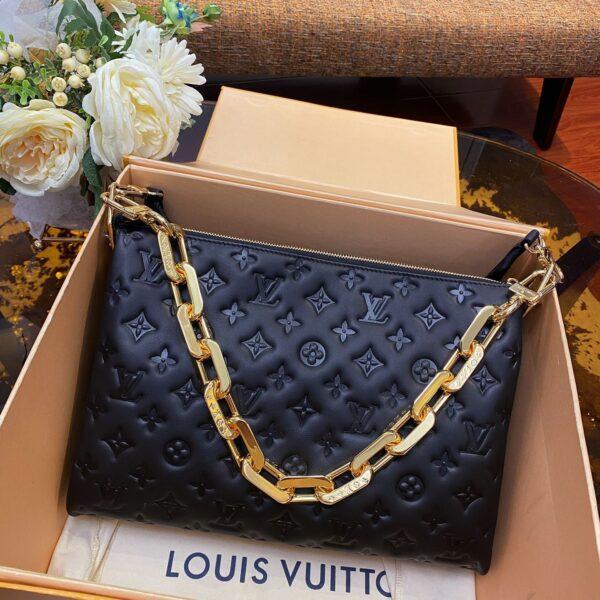
In the world of luxury fashion, few phrases carry as much weight and resonance as "Gucci made in Italy bags." These four words represent far more than a simple country-of-origin label; they encapsulate a century of artisanal tradition, an unwavering commitment to quality, and a design philosophy that has shaped the very landscape of contemporary style. When one holds a Gucci handbag crafted on Italian soil, they are not merely carrying an accessory—they are holding a piece of living history, a testament to the meticulous skill passed down through generations of Florentine artisans.
The Birth of a Legacy in Florence
To truly understand the significance of Gucci made in Italy bags, one must journey back to the birthplace of the House itself. Founded in Florence in 1921, Gucci emerged from the vision of Guccio Gucci, a Florentine native whose experiences at The Savoy hotel in London ignited a dream to create luggage that would bear his name. Returning to his beloved Florence in 1902, Guccio carried with him the refined sensibilities of English aristocracy, which he masterfully fused with the extraordinary craftsmanship of Tuscan artisans. This fusion of influences became the bedrock upon which the House was built.
The first Gucci boutique opened on Via della Vigna Nuova in Florence, a modest beginning that would eventually transform into a global phenomenon. But even in those early days, the foundation was laid for what would become the hallmark of the brand: an unwavering dedication to Italian craftsmanship. The leather workshops that dotted the streets of Florence provided the perfect environment for Guccio to realize his vision, combining exceptional Tuscan materials with meticulous attention to detail.
The Palazzo Settimanni: Heart of Gucci Craftsmanship
Perhaps nowhere is the commitment to Italian artistry more palpable than at Palazzo Settimanni, the historic Florentine palazzo that has served as the heart and soul of Gucci since 1953. Located along Oltrarno's Via delle Caldaie in the Santo Spirito district, this Renaissance-era building has been intertwined with leather craftsmanship since the 1400s, when it was divided into leather workshops. It was here that Guccio Gucci chose to establish production for his expanding brand, transforming the palazzo into a living workshop where seasoned artisans honed their craft and young apprentices learned from the masters.
Today, as the House's official archive, Palazzo Settimanni embodies Florence's history while honoring Gucci's heritage story that began more than 100 years ago. This is not merely a museum or a repository of artifacts; it is a living, breathing space that continues to inform the past, present, and future of the House. The palazzo stands as a powerful symbol of the enduring relationship between Gucci and its Italian roots, a relationship that manifests in every handbag, every accessory, and every creation that bears the "Made in Italy" mark.
The Renaissance of Craftsmanship
Gucci's leatherwork heritage represents one of the most profound expressions of Italian artisanal excellence. The House's founder, Guccio Gucci, initially employed skilled workers in basic Florentine leather crafts, with meticulous attention paid to finishing. This foundation of quality and precision has only deepened over the decades, evolving into a sophisticated approach that honors tradition while embracing innovation.
The recent Cruise 2026 collection, revealed within the Gucci Archive in Florence, perfectly exemplifies this duality. The collection honored the House's heritage craftsmanship while embracing a contemporary vision, lighting the way forward. Expertly treated brocades, jacquards, silks, and velvets were featured alongside embellished and embroidered lace, creating what can only be described as a stratification of techniques that echoes a stratification of histories. This approach—layering traditional methods with modern sensibilities—is what makes Gucci made in Italy bags so distinctive.
The Iconic Handbag Collections
When discussing Gucci made in Italy bags, one cannot overlook the iconic collections that have defined the House's legacy. The Gucci Bamboo 1947 stands as a testament to innovative craft techniques that emerged from creative necessity. Inspired by Guccio Gucci's son's love for walking sticks, Florentine artisans began designing bags with saddle-shaped silhouettes and bamboo handles, pioneering a design that would become synonymous with the House. This spirit of ingenuity, born from Italian creativity, continues to inspire contemporary designs.
The Jackie 1961 represents another milestone in the Gucci handbag legacy. Named after Jacqueline Kennedy Onassis, who was frequently photographed carrying the bag, this design embodies the refined elegance that defines the House's approach to accessories. The Jackie 1961, like all Gucci made in Italy bags, showcases the deep-rooted Italian heritage that informs every aspect of the design and production process.
The GG Emblem collection, introduced in the Fall Winter 2025 season, reinterprets the House's history of elegance and craftsmanship. These designs feature the new GG Monogram coated fabric, leather trim, and meticulous attention to detail that characterizes all Gucci creations. Each piece is crafted in Italy, bearing the mark of Florentine artisanship that has been refined over generations.
The Ophidia collection, with its signature Web stripe and Double G emblem, evokes the House's heritage while appealing to contemporary sensibilities. Crafted from soft GG Monogram coated fabric with brown leather trim and light gold-toned hardware, these bags represent the perfect marriage of tradition and modernity. The collection demonstrates how Gucci made in Italy bags continue to evolve while maintaining an unbroken connection to their Florentine roots.
Beyond Handbags: A Complete Luxury Universe
While Gucci made in Italy bags represent the pinnacle of the House's leather goods, Gucci's commitment to Italian craftsmanship extends across an expansive range of products. The brand's designer handbags for women embody refined elegance and enduring craftsmanship, showcasing the House's design codes and deep-rooted Italian heritage. But this dedication to quality permeates every category, from shoes to jewelry, from belts to watches.
Gucci shoes, crafted in Italy with the same meticulous attention to detail as the handbags, represent the House's commitment to comprehensive luxury. From the iconic horsebit loafers to contemporary sneakers, each pair reflects the artisanal traditions that have made Italian footwear world-renowned. The interlocking Gs that adorn many of these designs serve as a mark of authenticity and quality, signaling to the world that these are products of Italian excellence.
The jewelry collection further demonstrates the breadth of Gucci's Italian craftsmanship. Elegant and understated or bold and brilliant, Gucci creates jewelry to empower self-expression. The High Jewelry collection, co-created with Pomellato and named 'Monili'—Italian for 'jewels'—reflects a shared philosophy of craftsmanship that draws inspiration from archival designs. Leather, gold, and pavé diamonds come together in pieces brought to life through meticulous artistry and considered detail.
Gucci wallets and belts, often overlooked in discussions of luxury accessories, are themselves masterpieces of Italian craftsmanship. The GG fabric card holder, for example, is an essential and functional accessory crafted with leather details that enhance its quality. Each wallet, each belt, each small leather good carries the "Gucci made in Italy" plaque inside, adding a distinctive and refined touch.
The House's watches, while mainly manufactured in Switzerland due to the specialization required for precision timepieces, still reflect the Gucci design philosophy and commitment to quality. Similarly, Gucci hats and other accessories complete a lifestyle offering that allows individuals to surround themselves with Italian luxury in every aspect of their lives.
The Significance of "Made in Italy"
For Gucci, "Made in Italy" is not merely a geographic indicator; it is an integral part of the House's essence. It represents a cultural approach, a know-how that took generations to build, and a genuine mission that has allowed Gucci to become one of the world's most desirable luxury fashion brands. This commitment to Italian production ensures that every product meets the highest standards of quality and craftsmanship.
The authenticity of Gucci made in Italy bags is protected through rigorous quality control measures. Each handbag is sold with a "Controllato" card—the Italian word for "checked"—signifying that the bag has passed quality control. This attention to detail extends to every aspect of production, from the selection of raw materials to the final inspection before a product reaches the customer.
Gucci products are crafted with the highest quality materials, design and workmanship. The materials themselves are carefully selected, with an emphasis on durability and beauty. This commitment to quality is why Gucci made in Italy bags maintain their value and appeal over time, becoming cherished possessions that can be passed down through generations.
The Art of Leatherwork
At the heart of Gucci made in Italy bags lies the art of leatherwork, a craft that has been refined in Florence for centuries. The leather workshops that have historically defined the city's character continue to thrive, their artisans employing techniques that have been passed down through generations. These skilled craftspeople understand that leather is not merely a material but a medium through which artistry can be expressed.
The process of creating a Gucci handbag begins with the selection of the finest leathers, sourced from tanneries that meet the House's exacting standards. Each hide is inspected for quality, with only the best pieces moving forward to the cutting stage. The cutting itself is an art form, requiring precision and an intimate understanding of how the leather will behave as the bag takes shape.
The stitching that holds these bags together is another testament to Italian craftsmanship. Machine stitching, introduced as the brand expanded, supported construction while maintaining the quality that had become synonymous with the Gucci name. Even today, each stitch is placed with care, ensuring that the final product is not only beautiful but also durable.
The Evolution of Design
Gucci made in Italy bags have evolved significantly since the House's founding, yet they have never lost touch with their Florentine roots. The GG Monogram canvas, which emerged as a distinctive element of the House, still features prominently on a selection of bags. This iconic pattern, along with the green-red-green Web stripe and the Double G emblem, serves as an immediate visual connection to the brand's Italian heritage.
Contemporary designs continue to push boundaries while honoring tradition. The Generation Gucci collection, for example, blends luxury craftsmanship and signature tailoring with slim fit suits, leather and suede looks, as well as lightweight coats that reimagine House classics. Evening looks mix silk chiffon with more structured elements, creating a dialogue between past and present.
This evolution is made possible by the skilled artisans who work within the Gucci ecosystem. These craftspeople are not merely executing designs; they are interpreting them, bringing their expertise and creativity to every piece they create. The relationship between designer and artisan is one of collaboration, with each contributing to the final product.
Materials and Sustainability
The materials used in Gucci made in Italy bags reflect the House's commitment to quality and its growing focus on sustainability. Gucci products are made with carefully selected materials, chosen not only for their beauty but also for their durability. This emphasis on longevity aligns with the House's sustainability strategy, which prioritizes a circular approach that maintains a long-standing commitment to quality and durability.
From selecting and tracing raw materials to designing and crafting products, Gucci prioritizes environmental responsibility. The House is constantly searching to find more sustainable materials and manufacturing processes to develop products that have a lower impact on the environment, while still upholding its commitment to superior craftsmanship and quality. This approach involves transforming sourcing strategy by investing in new sourcing solutions, lower impact materials, and regenerative agriculture projects.
The Authenticity Question
For those seeking Gucci made in Italy bags, authenticity is paramount. Genuine Gucci products are distinguished by the highest quality materials, Italian craftsmanship and imaginative design, all of which speak to the item's artisanal nature. The authenticity of these products is protected through various measures, including the Gucci Authenticity Tag, which provides information about the item when a smartphone is placed near the product with pre-configured NFC technology.
On authentic Gucci bags, the "Made in Italy" marking is typically debossed or embossed clearly and deeply. The quality of the materials is a key indicator for identifying a fake, as Gucci is renowned for its exacting standards, which translate into a specific feel that imitations struggle to replicate. Each bag also features a leather tab with the style and serial number imprinted on the back.
The Lifestyle of Italian Luxury
Gucci made in Italy bags represent more than just accessories; they are gateways to a lifestyle defined by Italian luxury. The House's offerings extend across all categories, including handbags, accessories, shoes, jewelry, décor and ready-to-wear. This comprehensive approach allows individuals to surround themselves with Italian craftsmanship in every aspect of their lives.
The experience of owning a Gucci bag begins with the purchase itself, whether at a Gucci boutique or through the official website. Each product is packaged with care, reflecting the attention to detail that characterizes the brand. The care instructions provided with each purchase—protect from direct light, heat and rain; fill with tissue paper to maintain shape; store in the provided flannel bag—demonstrate the House's commitment to ensuring that its creations last for years to come.
The Global Appeal of Italian Craftsmanship
The appeal of Gucci made in Italy bags extends far beyond Italy's borders. The House's position as a world-renowned symbol of Italian craft, visionary creativity, and innovative design has made it a global phenomenon. Both mirroring and defining the decades that brought it forth, the House's history has itself influenced fashion and culture in indelible ways throughout the 20th and 21st centuries.
This global appeal is rooted in the universal appreciation for quality and artistry. When someone carries a Gucci bag, they are not just making a fashion statement; they are participating in a tradition that spans more than a century. They are connecting with the artisans in Florence who continue to practice their craft with dedication and skill, ensuring that each piece meets the highest standards of excellence.
Final Thoughts
The story of Gucci made in Italy bags is ultimately a story of passion, dedication, and an unwavering commitment to excellence. From the founding of the House in Florence in 1921 to the present day, Gucci has remained true to its Italian roots, producing handbags and accessories that embody the very best of Italian craftsmanship. The Palazzo Settimanni, the leather workshops of Florence, and the skilled artisans who work within them continue to be the heart and soul of the brand, ensuring that each Gucci creation carries with it a piece of Italian history.
As the House moves forward into its second century, the commitment to Italian craftsmanship remains as strong as ever. New collections reinterpret classic designs, innovative materials are introduced, and sustainable practices are embraced, but the core values remain unchanged. Gucci made in Italy bags will continue to represent the pinnacle of luxury, combining timeless design with unparalleled quality.
For those who appreciate the finer things in life, who understand that true luxury is not about ostentation but about quality and artistry, Gucci made in Italy bags offer something truly special. They are not just accessories; they are investments in craftsmanship, pieces of art that can be carried and cherished. They are connections to a tradition that has defined Italian fashion for over a century, and they are promises of quality that will endure for generations to come.

 English
 Arabic
 French
 Spanish
 Portuguese
 Turkish
 Dutch
 Italiano
 Russian
 Romaian
 Portuguese (Brazil)
 Greek