


What Is Real Estate Software and How Can It Improve Property Business Operations?
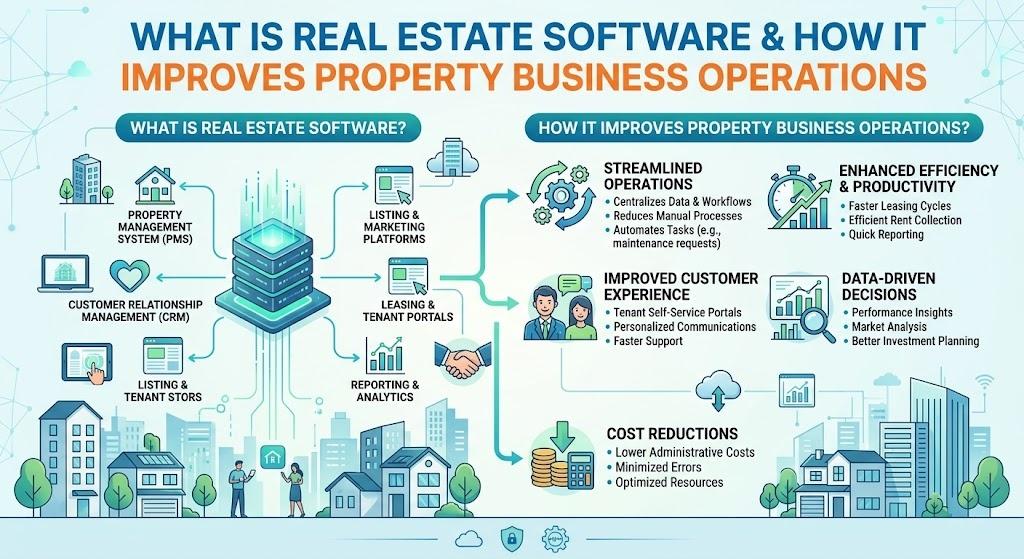
The real estate industry has traditionally relied on paperwork, spreadsheets, phone calls, and in-person meetings to manage everything from property listings to client relationships. However, as the market grows more competitive and digitally driven, real estate professionals are increasingly turning to specialized software solutions to streamline their operations. Real estate software has become an essential tool for agents, brokers, property managers, and investors who want to save time, reduce errors, and scale their businesses effectively.
This article explores what real estate software is, the different types available, and how it can transform the way property businesses operate.
Understanding Real Estate Software
Real estate software refers to digital tools and platforms designed specifically to support the various functions within the property industry. These functions include listing management, client relationship management, transaction tracking, property valuation, marketing, accounting, and tenant or lease management.
Unlike generic business software, real estate software is built with industry-specific workflows in mind. It understands the nuances of property transactions, such as multiple listing service (MLS) integrations, commission structures, lease agreements, and regulatory compliance requirements that vary by region. This specialization makes it far more effective than trying to adapt general-purpose tools to real estate needs.
Real estate software can be deployed as a standalone application, a cloud-based platform, or an integrated suite that combines several tools into one ecosystem. Many modern solutions are also mobile-friendly, allowing agents and property managers to access critical information while on the go, whether they're showing a property or meeting with a client.
Types of Real Estate Software
The real estate technology landscape is broad, and different solutions cater to different needs within the industry. Understanding these categories helps businesses choose the right tools for their specific challenges.
Customer Relationship Management (CRM) Systems
Real estate CRMs are designed to help agents and brokers manage leads, track client interactions, and nurture relationships over time. These systems typically include features like automated follow-up reminders, email marketing integration, and lead scoring to help prioritize the most promising prospects.
Property Management Software
For landlords and property managers, this type of software handles the day-to-day operations of managing rental properties. This includes rent collection, maintenance requests, lease tracking, tenant screening, and financial reporting. Property management software significantly reduces the administrative burden of overseeing multiple units or properties.
Listing and MLS Management Tools
These platforms help agents create, distribute, and manage property listings across multiple channels, including MLS databases, real estate websites, and social media. They often include features for syndicating listings automatically to save time on manual data entry.
Transaction Management Software
Real estate transactions involve numerous documents, deadlines, and stakeholders. Transaction management software centralizes this process, allowing agents to track contracts, disclosures, inspection reports, and closing documents in one place while ensuring compliance with legal requirements.
Real Estate Analytics and Valuation Tools
These tools use data analysis to help investors and agents make informed decisions. They can provide market trend insights, comparative market analysis, and automated property valuations based on historical data and current market conditions.
Virtual Tour and Marketing Software
With the rise of digital-first buyers, virtual tour software and marketing automation tools have become increasingly important. These platforms enable 3D property tours, video marketing, and targeted advertising campaigns to reach potential buyers or renters more effectively.
How Real Estate Software Improves Business Operations
Now that we've covered what real estate software is and the various types available, let's examine the specific ways it can enhance property business operations.
Streamlining Administrative Tasks
One of the most significant benefits of real estate software is the reduction of manual, repetitive tasks. Instead of manually updating spreadsheets or filing paperwork, agents and property managers can automate processes like rent collection, lease renewals, and document generation. This automation frees up valuable time that can be redirected toward client-facing activities and business growth.
Enhancing Client Communication
Modern real estate software often includes built-in communication tools that keep clients informed throughout their buying, selling, or renting journey. Automated notifications about property updates, appointment reminders, and transaction milestones help maintain transparency and build trust. Additionally, centralized communication logs ensure that agents never lose track of important conversations or commitments.
Improving Data Accuracy and Accessibility
When information is scattered across multiple spreadsheets, emails, and paper files, errors are inevitable. Real estate software centralizes data into a single, accessible platform, reducing the risk of miscommunication or lost information. Cloud-based solutions also allow team members to access up-to-date information from anywhere, which is particularly valuable for businesses with remote or field-based staff.
Enabling Data-Driven Decision Making
Real estate software often includes reporting and analytics features that provide valuable insights into business performance. Agents and brokers can track key metrics such as conversion rates, average time on market, and revenue per transaction. Property managers can monitor occupancy rates, maintenance costs, and tenant satisfaction. These insights enable more strategic decision-making rather than relying on guesswork or intuition.
Facilitating Better Marketing Efforts
With integrated marketing tools, real estate professionals can create and distribute listings more efficiently across multiple platforms simultaneously. Features like automated social media posting, email campaigns, and virtual tours help properties reach a wider audience with less manual effort. This expanded reach can lead to faster sales or rentals and reduced time on market.
Ensuring Regulatory Compliance
Real estate transactions are subject to various legal and regulatory requirements that differ by jurisdiction. Specialized software often includes built-in compliance checks and standardized document templates that help ensure transactions meet local legal standards. This reduces the risk of costly errors or legal complications that could arise from missed paperwork or incorrect documentation.
Supporting Business Scalability
As property businesses grow, managing an increasing number of listings, clients, and transactions manually becomes unsustainable. Real estate software provides the infrastructure needed to scale operations without a proportional increase in administrative overhead. Automated workflows, centralized data, and integrated tools allow businesses to handle more volume without sacrificing service quality.
Improving Financial Management
For property managers and real estate investors, financial tracking is a critical component of business operations. Real estate software often includes accounting features that track income, expenses, and profitability across multiple properties. This financial visibility helps businesses make informed budgeting decisions and simplifies tax preparation and reporting.
Choosing the Right Real Estate Software
With so many options available, selecting the right software depends on the specific needs of your business. Agents focused primarily on sales may prioritize CRM and marketing tools, while property managers overseeing rental units may need robust tenant and lease management features. Larger brokerages or real estate firms might benefit from comprehensive, integrated platforms that combine multiple functionalities into a single ecosystem.
When evaluating software options, consider factors such as ease of use, integration capabilities with existing tools, scalability, customer support, and pricing structure. Many providers offer free trials or demos, which can be valuable for testing whether a platform aligns with your workflow before committing to a long-term subscription.
Conclusion
Real estate software has become an indispensable asset for modern property businesses, offering solutions that streamline administrative work, improve client relationships, enhance data accuracy, and support informed decision-making. Whether you're an individual agent, a property manager overseeing multiple units, or a large brokerage handling hundreds of transactions, the right software can significantly improve operational efficiency and business outcomes.
As the real estate industry continues to evolve alongside advancing technology, businesses that embrace these digital tools will be better positioned to compete, adapt, and thrive in an increasingly digital marketplace. Investing in the right real estate software isn't just about keeping up with trends, it's about building a more resilient, efficient, and client-focused business for the long term.

 English
 Arabic
 French
 Spanish
 Portuguese
 Deutsch
 Turkish
 Dutch
 Russian
 Romaian
 Portuguese (Brazil)
 Greek