


Logistics App Development: How to Cut Operational Costs by 30% with Custom Software
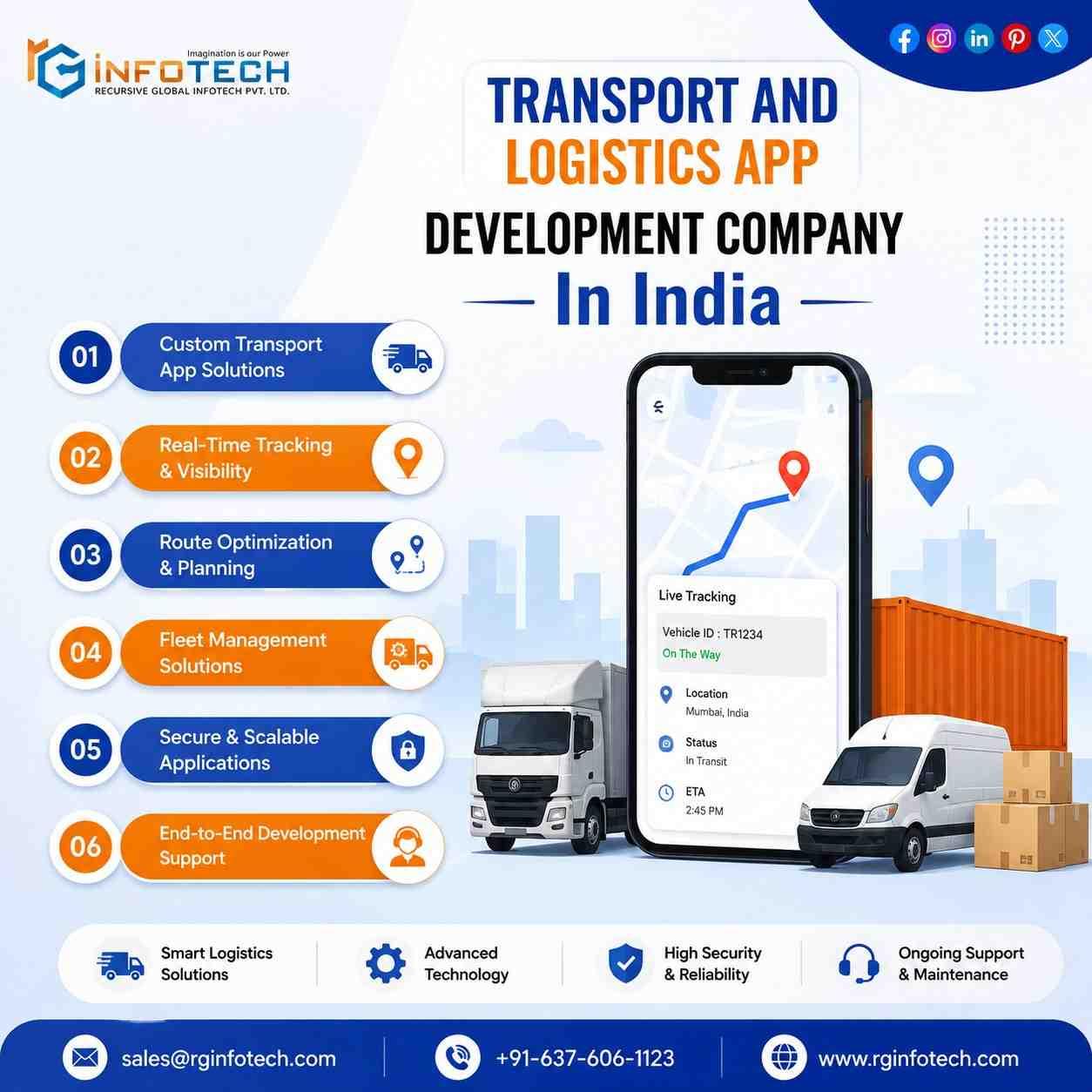
Logistics businesses operate in a highly competitive environment where fuel expenses, labor costs, delivery delays, fleet maintenance, inefficient routes, and manual processes can quickly reduce profit margins. As shipment volumes increase, managing these operations through spreadsheets, phone calls, and disconnected software becomes increasingly difficult.
Custom logistics software can help businesses centralize operations, automate repetitive tasks, improve visibility, and make data-driven decisions. When implemented strategically, these improvements can contribute to significant operational savings, with some businesses targeting reductions of up to 30% across selected processes.
But how can custom logistics software actually reduce costs? Let's explore the major opportunities.
What Is Custom Logistics Software?
Custom logistics software is a digital solution developed around the specific operational requirements of a logistics business. Unlike generic software, it can be designed to support unique workflows, business rules, delivery models, fleet structures, and customer requirements.
A custom logistics platform may combine:
-
Shipment management
-
Fleet management
-
Driver management
-
Real-time tracking
-
Route optimization
-
Automated dispatching
-
Inventory management
-
Digital proof of delivery
-
Customer communication
-
Analytics and reporting
By bringing these functions into one connected ecosystem, businesses can reduce operational friction and improve efficiency.
How Can Custom Software Reduce Logistics Costs?
Cost reduction does not come from one feature alone. It usually results from optimizing multiple processes simultaneously.
1. Optimize Delivery Routes
Fuel and transportation expenses represent major costs for logistics companies. Inefficient routes can increase fuel consumption, vehicle wear, driver hours, and delivery times.
Custom logistics software can use GPS data, traffic information, delivery locations, vehicle availability, and other parameters to recommend more efficient routes.
For example, instead of sending multiple drivers through overlapping routes, the system can help dispatchers assign shipments based on location and delivery requirements.
Better route planning can help reduce:
-
Fuel consumption
-
Driver overtime
-
Vehicle mileage
-
Delivery delays
-
Unnecessary trips
Over time, these savings can have a significant impact on operational expenses.
2. Automate Manual Administrative Tasks
Manual data entry consumes valuable employee time and creates opportunities for errors.
Employees may spend hours updating shipment statuses, preparing delivery reports, assigning drivers, generating invoices, or communicating order updates.
Custom software can automate many of these activities. Shipment information can be updated automatically, notifications can be triggered based on delivery status, and reports can be generated without repetitive manual work.
This allows employees to focus on higher-value responsibilities while reducing administrative overhead.
3. Improve Fleet Utilization
Poor fleet utilization can leave vehicles underused while others are overloaded with work.
A fleet management module can provide visibility into vehicle availability, location, mileage, maintenance schedules, fuel consumption, and assigned deliveries.
Managers can use this information to distribute workloads more effectively and identify vehicles that are consistently underutilized.
Better fleet utilization can reduce unnecessary vehicle purchases and improve the productivity of existing assets.
4. Reduce Delivery Delays
Late deliveries can lead to refunds, compensation claims, dissatisfied customers, and additional operational expenses.
Real-time tracking allows logistics teams to monitor shipments and identify potential delays earlier. Managers can then take corrective action, such as changing routes or reallocating deliveries.
Customers can also receive accurate updates through push notifications or SMS, reducing the number of support calls asking about shipment status.
5. Automate Driver Dispatching
Assigning drivers manually can become complicated when businesses manage hundreds or thousands of deliveries.
Custom software can automate driver allocation according to factors such as:
-
Current location
-
Vehicle type
-
Availability
-
Delivery capacity
-
Route
-
Workload
-
Delivery priority
Automated dispatching can reduce decision-making time and help businesses use their workforce more efficiently.
6. Reduce Paperwork With Digital Proof of Delivery
Traditional proof-of-delivery processes often involve paper documents, manual signatures, and physical record storage.
A digital system can allow drivers to collect signatures, photographs, OTP verification, or other delivery confirmation directly through a mobile application.
Digital records are easier to search, store, and share. They can also reduce paperwork-related expenses and minimize the risk of lost documents.
7. Use Predictive Maintenance
Unexpected vehicle breakdowns can cause delivery delays and expensive emergency repairs.
Custom logistics applications can monitor maintenance schedules, mileage, service history, and vehicle performance data. Businesses can use these insights to schedule maintenance before serious issues occur.
Predictive maintenance can help extend vehicle life, reduce downtime, and avoid unnecessary repair expenses.
8. Improve Inventory Management
For logistics businesses that also manage warehouses, poor inventory visibility can create additional costs.
Custom software can provide real-time information about stock levels, warehouse locations, incoming shipments, outgoing orders, and inventory movement.
Barcode scanning and automated inventory updates can reduce errors while helping businesses avoid overstocking or stock shortages.
9. Reduce Customer Support Costs
Customers frequently contact support teams to ask about delivery locations, expected arrival times, or shipment status.
Real-time tracking and automated notifications can answer many of these questions before customers contact support.
Features such as shipment tracking pages, automated alerts, FAQs, and AI-powered chat assistance can further reduce repetitive customer service requests.
10. Make Better Decisions With Analytics
Operational cost reduction requires accurate data. Without proper analytics, managers may struggle to understand where money is being spent.
Custom dashboards can track:
-
Cost per delivery
-
Fuel consumption
-
Driver performance
-
Vehicle utilization
-
Delivery times
-
Failed deliveries
-
Route efficiency
-
Customer demand
-
Revenue and expenses
These insights can help managers identify inefficient processes and make informed operational decisions.
Key Features to Include in Custom Logistics Software
A successful logistics solution should be built around business requirements. Common features include:
Admin Dashboard
Provides centralized control over users, shipments, drivers, vehicles, payments, and reports.
Real-Time GPS Tracking
Allows businesses and customers to monitor shipment and vehicle locations.
Driver Mobile App
Enables drivers to receive assignments, access routes, update delivery statuses, and submit proof of delivery.
Automated Notifications
Keeps customers and internal teams informed about important shipment events.
Route Optimization
Helps identify efficient delivery routes while considering operational requirements.
Reporting and Analytics
Provides actionable insights into logistics performance and operating costs.
Why Choose Custom Over Off-the-Shelf Software?
Generic logistics software may provide useful standard features, but it may not fit every organization's workflows.
Custom software can be developed around existing processes and expanded as the company grows. Businesses can integrate their preferred payment gateways, mapping services, ERP systems, CRM platforms, warehouse tools, and other technologies.
Working with an experienced Logistics App Development Company can help organizations identify unnecessary processes, prioritize high-impact features, and build a solution designed around measurable business goals.
How to Achieve a 30% Cost Reduction
A 30% operational cost reduction should not be treated as an automatic result of software development. It depends on the company's existing processes, scale, inefficiencies, technology adoption, and implementation strategy.
Businesses should first establish baseline metrics for fuel usage, delivery costs, labor hours, fleet utilization, failed deliveries, and administrative expenses.
Next, prioritize the areas with the highest potential for savings. Automating dispatching, optimizing routes, improving fleet utilization, and reducing manual administration can provide measurable improvements.
An experienced Logistics App Development Company can also help businesses introduce the solution in phases, measure performance, and continuously optimize the platform based on real operational data.
Conclusion
Custom logistics software can become a powerful tool for reducing operational expenses and improving efficiency. From route optimization and automated dispatching to digital proof of delivery, fleet monitoring, predictive maintenance, and analytics, each capability can contribute to a more efficient logistics operation.
However, successful cost reduction requires more than simply launching an application. Businesses need clear objectives, measurable KPIs, appropriate technology, user adoption, and continuous optimization.
By identifying the biggest operational inefficiencies and building software around them, logistics companies can create a scalable digital infrastructure that supports long-term growth while controlling expenses.

 English
 Arabic
 Spanish
 Portuguese
 Deutsch
 Turkish
 Dutch
Dutch
 Italiano
 Russian
 Romaian
 Portuguese (Brazil)
 Greek
Greek