


How to Make the Transition to Home Care Less Stressful
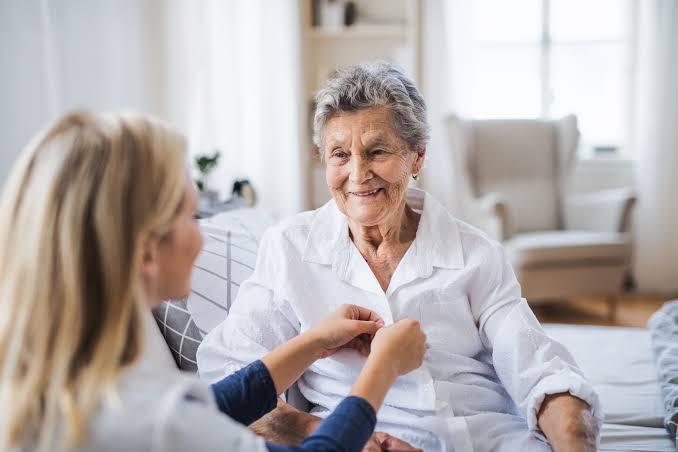
Moving from managing independently to receiving assistance at home can be an emotional adjustment for seniors and their families. Caregivers at home in Dubai can make this transition easier by providing personalized support with daily routines, companionship, mobility, meals, and other agreed activities while allowing individuals to remain in familiar surroundings. When medical attention is required, a Doctor at Home can provide appropriate professional healthcare services, while caregivers focus on their designated responsibilities. With thoughtful preparation, clear communication, and patience, families can create a smoother transition that helps their loved one feel comfortable, respected, and involved in the process.
Understand Why the Transition Feels Difficult:
The decision to receive home care can bring mixed emotions. A senior may worry about losing independence, having a stranger in their home, or becoming a burden to family members. Relatives may also feel uncertain about choosing the right caregiver or changing established routines. Recognizing these feelings is an important first step. Instead of treating resistance as a problem, families should listen carefully and discuss the reasons behind it. Acknowledging concerns can help everyone approach the transition with greater understanding and reduce unnecessary tension.
Involve Your Loved One in Decisions:
Whenever possible, the person receiving care should participate in decisions about their support. Giving them a voice can help maintain a sense of independence and control. Families can ask about preferred routines, caregiver qualities, daily activities, and areas where assistance is most needed. Even small choices can make a difference. Allowing the senior to participate in selecting appropriate options can make home care feel like a supportive arrangement rather than something being imposed on them.
Introduce the Idea of Home Care Gradually:
If there is no urgent need for immediate full-time assistance, introducing home care gradually may make adjustment easier. Families can begin by discussing what a caregiver does and why support could be helpful. The initial schedule may focus on a few practical tasks before expanding as needed. This gradual approach gives the senior time to become familiar with receiving assistance. However, the pace should always reflect the individual's needs and safety requirements rather than following a fixed timeline.
Choose a Compatible Caregiver:
Compatibility can have a major influence on how comfortable someone feels with home care. Families should consider the senior's personality, preferences, communication style, interests, and daily routine when selecting a caregiver. Important qualities may include:
- Patience
- Compassion
- Reliability
- Respectfulness
- Good communication
- Relevant experience
- Appropriate training
- Understanding of personal boundaries
A caregiver who communicates naturally with the senior can make the new arrangement feel less unfamiliar.
Prepare the Home Before Care Begins:
Preparing the home can make the first days more organized. Families can identify areas where the caregiver will work and ensure frequently used items are accessible. It can also be helpful to organize information about routines, emergency contacts, appointments, and household expectations. Depending on the individual's circumstances, families may consider appropriate safety improvements. The objective is not to completely change the home but to create an environment where the senior and caregiver can comfortably follow the agreed routine.
Establish a Familiar Daily Routine:
Seniors may feel more comfortable when their existing habits are respected. Before the caregiver arrives, families can document important parts of the individual's routine, such as preferred meal times, hobbies, rest periods, and family calls. A familiar schedule can help reduce uncertainty during the first few weeks. At the same time, caregivers should remain flexible because energy levels and preferences may vary from day to day. The best routine provides structure without making the individual feel restricted.
Explain the Caregiver's Role Clearly:
Misunderstandings can make home care more stressful. Families should explain what the caregiver is expected to do and what responsibilities remain with family members or healthcare professionals. Depending on the arrangement, caregiving may include personal assistance, companionship, meal preparation, mobility support, light household tasks, and help with daily activities. Clinical responsibilities should only be handled by appropriately qualified professionals. Clear boundaries help everyone understand what to expect.
Encourage Open Communication:
Communication should begin before the first day of care and continue throughout the arrangement. Families should give caregivers relevant information about preferences and routines while allowing caregivers to ask questions. The senior should also be encouraged to communicate directly about their comfort and needs. A simple communication system can include:
- Regular family-caregiver check-ins
- Daily or weekly updates when appropriate
- A written routine
- Clear emergency contacts
- A method for reporting concerns
- Regular reviews of the care arrangement
Open communication can prevent small misunderstandings from becoming larger problems.
Give the Relationship Time to Develop:
It is normal for a senior and caregiver to need time to become comfortable with one another. The caregiver is entering the individual's personal space, while the senior is adapting to receiving assistance from someone unfamiliar. Families should avoid expecting immediate closeness. Respectful introductions, calm conversations, and consistent routines can help trust develop naturally. If the relationship remains uncomfortable despite reasonable adjustment time, families can evaluate whether a different caregiver may be a better match.
Protect Your Loved One's Independence:
Home care should support independence rather than automatically replace it. Caregivers can encourage seniors to participate in activities they can safely manage themselves. For example, a caregiver may prepare clothing while allowing the senior to choose what to wear, or assist with meal preparation while letting them participate in simple tasks. Giving appropriate choices helps preserve dignity and control. Families should communicate which activities the senior prefers to handle independently.
Focus on What the Caregiver Adds:
Instead of viewing home care as evidence that a senior can no longer manage their life, families can frame it as additional support. A caregiver can take over certain difficult or tiring tasks while allowing the individual to spend more time on activities they enjoy. This perspective can make the transition feel more positive. The focus becomes what the individual can continue doing with support rather than what they can no longer do alone.
Maintain Family Involvement:
Professional home care does not mean family members should become uninvolved. Regular visits, phone calls, shared meals, and family activities can remain important parts of the senior's life. Families should communicate with the caregiver while maintaining their personal relationship with their loved one. This combination provides practical assistance without replacing family connection. It can also reassure the senior that accepting professional support does not mean losing their place within the family.
Address Concerns Early:
If the senior becomes frustrated, uncomfortable, or resistant, families should address the concern rather than ignoring it. Ask what specifically feels difficult. The issue may involve timing, communication style, privacy, a particular task, or simply the adjustment to having another person at home. Discussing the concern calmly can reveal practical solutions. If the issue involves safety, inappropriate behavior, or a serious care concern, the appropriate provider or professional should be contacted promptly.
Keep Personal Preferences at the Center:
Personalization can make home care feel much less disruptive. Caregivers should understand the individual's preferred foods, hobbies, entertainment, schedule, social relationships, and household habits. Families can create a simple preference guide to help the caregiver learn these details. Useful information may include:
- Favorite meals and drinks
- Preferred wake-up and bedtime routines
- Favorite hobbies
- Preferred television or music
- Important family members
- Social preferences
- Personal-care preferences
- Activities the senior dislikes
These details can help transform care from a generic service into a more comfortable experience.
Prepare for Emotional Reactions:
A senior may experience frustration, sadness, embarrassment, or anxiety during the transition. These feelings should not automatically be interpreted as refusal to cooperate. Families can respond with empathy and patience. Give the individual opportunities to express concerns without judgment. Avoid using language that suggests they are helpless or incapable. Positive, respectful conversations can reinforce the idea that home care is intended to provide support while preserving dignity.
Maintain Privacy and Personal Boundaries:
Having a caregiver in the home can feel intrusive at first. Families should establish clear boundaries around private spaces, personal belongings, conversations, and routines. The caregiver should understand which areas of the home are relevant to their responsibilities and which remain private. Personal-care assistance should always be delivered discreetly and respectfully. Clear boundaries can help the senior feel that their home remains their own.
Make the First Week Comfortable:
The first few days can set the tone for the entire caregiving relationship. Families can make the transition easier by keeping expectations realistic and avoiding unnecessary changes. Introduce the caregiver to important areas of the home, explain routines, and allow time for conversation. It can also help to schedule familiar activities during the first week. Simple comforts, such as a favorite meal or regular family call, can make the new arrangement feel more familiar.
Encourage Positive Activities:
A caregiver's presence does not need to revolve entirely around tasks. Appropriate enjoyable activities can make home care feel more natural. Depending on the senior's preferences and abilities, caregivers can support:
- Reading
- Music
- Gardening
- Puzzles
- Crafts
- Watching favorite programs
- Family calls
- Suitable outdoor activities
- Conversation
Meaningful activities can help the senior build a positive association with their new routine.
Review the Arrangement Regularly:
The first care plan may not be perfect. Families should review the arrangement after the initial adjustment period and continue evaluating it as needs change. Ask whether the schedule remains appropriate, whether the caregiver and senior are comfortable, and whether additional or reduced assistance is needed. Significant changes in health or clinical needs should be discussed with appropriate healthcare professionals. Regular reviews help ensure that home care remains practical and person-centered.
Support Family Caregivers Too:
Family members can also experience stress during the transition. They may worry about whether they selected the right caregiver or whether their loved one is receiving enough support. Sharing responsibilities and maintaining realistic expectations can help. Professional home care can provide families with additional support while allowing them to focus on maintaining a loving relationship with their relative rather than managing every daily task themselves.
Build Trust Through Consistency:
Trust develops through reliability and respectful behavior. Caregivers can build confidence by following agreed schedules, listening to preferences, maintaining privacy, and communicating concerns appropriately. Families can contribute by providing clear instructions, giving constructive feedback, and respecting the caregiver's professional role. Over time, consistent positive interactions can make the caregiver's presence feel like a natural part of the household routine.
Know When Additional Support Is Needed:
Home care can meet many daily support needs, but it may not be appropriate for every situation. If an individual's needs become more complex than the current arrangement can safely manage, families should seek appropriate professional guidance. Caregivers can communicate relevant observations, but they should not diagnose medical conditions or independently change treatment plans. Recognizing when additional support is necessary is an important part of responsible caregiving.
Final Thoughts:
Making the transition to home care less stressful requires preparation, patience, communication, and respect. Caregivers at home in Dubai can provide valuable assistance while helping seniors remain in a familiar environment and continue participating in meaningful routines. Families can ease the adjustment by involving their loved one in decisions, choosing a compatible caregiver, maintaining independence, establishing clear expectations, and allowing trust to develop naturally. Most importantly, home care should be viewed as personalized support rather than a loss of independence. With the right approach, families can create a comfortable care experience that protects dignity, encourages confidence, and supports a better quality of life at home.

 English
 Arabic
 French
 Spanish
 Portuguese
 Deutsch
 Turkish
 Dutch
 Italiano
 Russian
 Romaian
 Portuguese (Brazil)