


What Happens During a Home Visit for Glucose IV Therapy?
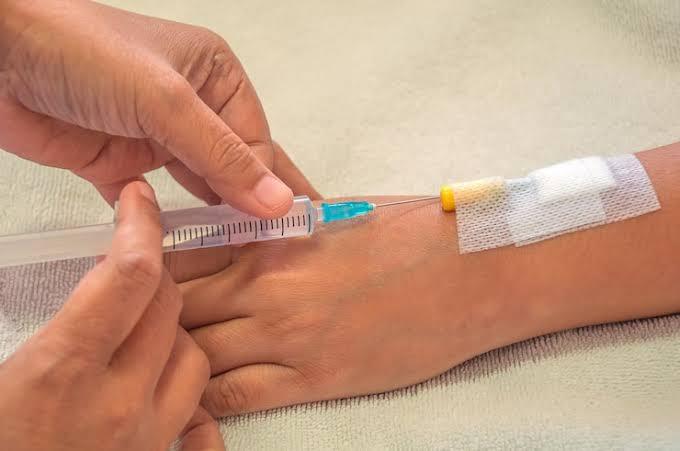
When considering Glucose Drip at Home in Dubai, many patients want to know exactly what happens during a home visit before agreeing to treatment. A Doctor at Home can assess your symptoms, review your medical history, discuss medications, and determine whether glucose IV therapy is medically appropriate. Unlike simply receiving an IV without assessment, professional home-based care involves several steps designed to support patient safety. From the initial evaluation and preparation of equipment to IV administration and post-treatment monitoring, understanding the process can help patients feel more prepared and make informed healthcare decisions.
What Is Glucose IV Therapy?:
Glucose IV therapy involves administering a glucose-containing solution directly into a vein through an intravenous catheter. Glucose-containing fluids have specific medical uses and may be considered in circumstances such as certain cases of low blood glucose or when intravenous fluid therapy is clinically indicated. The concentration, volume, and rate of administration depend on the patient's individual medical needs. Because the solution enters the bloodstream directly, it should be administered by qualified healthcare professionals who can assess the patient and monitor the treatment rather than treating the procedure as a general energy or wellness service.
How Does the Home Visit Begin?:
A home IV visit generally begins with a healthcare professional reviewing the patient's current condition and confirming the reason for treatment. The professional may ask about symptoms, recent illnesses, fluid and food intake, medical conditions, medications, allergies, and previous reactions to IV treatment. This initial discussion helps establish whether the patient remains suitable for home-based IV therapy. Booking an appointment does not necessarily mean that an infusion will automatically be administered. If the assessment suggests that another form of care is more appropriate, the professional may recommend an alternative or advise the patient to seek facility-based medical evaluation.
What Happens During the Medical Assessment?:
The healthcare professional conducts an assessment tailored to the patient's symptoms and medical history. Depending on the situation, this may include reviewing vital signs, evaluating hydration status, considering blood glucose levels, and identifying conditions that could influence fluid or glucose administration. Patients with diabetes, kidney problems, heart conditions, or complex medication regimens may require additional consideration. The clinician also assesses whether the patient is stable enough for treatment at home. If symptoms suggest a serious or rapidly worsening medical condition, home IV therapy may not be appropriate and further medical evaluation may be recommended.
Why Is Blood Glucose Assessment Important?:
Blood glucose may be particularly relevant when considering IV glucose, especially for people with diabetes or symptoms that could be associated with abnormal blood sugar. Intravenous glucose enters the bloodstream directly and can raise blood glucose levels, so treatment should be based on an appropriate clinical reason. When clinically indicated, the healthcare professional may check blood glucose before or during treatment. Patients who monitor their glucose at home should provide relevant recent readings when available. The decision to administer glucose should take into account the patient's current glucose status, symptoms, medications, and overall condition rather than relying on fatigue or weakness alone.
How Is the Appropriate IV Solution Chosen?:
Once the assessment is complete and IV therapy is considered appropriate, the healthcare professional determines which glucose-containing solution is suitable. Different formulations and concentrations may be used for different clinical purposes, so there is no universal glucose drip that is appropriate for every patient. The professional considers factors such as the reason for treatment, blood glucose status, hydration needs, medical conditions, and other relevant clinical information. The volume and administration rate are also selected according to the patient's circumstances. This individualized approach helps reduce unnecessary exposure to an unsuitable treatment.
How Is the Equipment Prepared?:
Before inserting the IV catheter, the healthcare professional prepares the necessary equipment and creates a clean area for the procedure. Appropriate infection-control measures should be followed, including hand hygiene and careful handling of IV supplies. The equipment should be suitable for the prescribed treatment and checked before use. The healthcare professional also prepares the selected IV solution and ensures that the materials needed for catheter insertion and disposal are available. Proper preparation helps reduce preventable complications and supports a controlled treatment environment within the home.
How Is the IV Inserted?:
The healthcare professional selects an appropriate vein and carefully inserts the IV catheter using appropriate clinical technique. The catheter is secured so it is less likely to move during the infusion. Patients may feel brief discomfort when the needle or catheter is inserted, and minor bruising can sometimes occur. The insertion site is checked for signs of pain, swelling, bleeding, or leakage. Patients should tell the professional immediately if they experience significant pain or burning. Careful catheter placement is important for reducing the risk of local complications during the infusion.
What Happens During the Infusion?:
Once the catheter is properly positioned, the glucose-containing solution is connected and administered at the rate determined by the healthcare professional. The patient usually remains seated or resting in a comfortable position while the infusion takes place. The professional monitors the patient and observes the IV site for potential problems. Depending on the individual's condition, monitoring may include symptoms, vital signs, or blood glucose when clinically appropriate. The patient should remain attentive to how they feel and communicate any unusual changes instead of waiting for symptoms to become severe.
What Symptoms Should You Report During the IV?:
Patients should communicate promptly if they experience unusual symptoms during treatment. Some mild discomfort around the insertion site may occur, but increasing or significant symptoms require assessment. Tell the healthcare professional if you experience:
- Increasing pain or burning around the IV site.
- Swelling or unusual tightness near the catheter.
- Significant redness or irritation.
- Dizziness or unexpected weakness.
- Nausea or feeling unusually unwell.
- Headache or other unexpected symptoms.
- Difficulty breathing.
- Chest discomfort.
- Sudden changes in alertness.
Prompt reporting allows the professional to assess whether the infusion should continue or whether treatment needs to be stopped.
How Are IV Complications Monitored?:
IV therapy can involve complications such as bruising, vein irritation, infiltration, or infection, although appropriate clinical technique can reduce the risk. The healthcare professional monitors the catheter site throughout treatment and can respond if swelling, pain, leakage, or other concerning signs develop. If a complication occurs, the infusion may need to be stopped and the catheter assessed or removed. Serious symptoms require appropriate medical evaluation. Home treatment should never be presented as a setting where every possible complication can be managed, particularly when a patient requires diagnostic equipment or emergency intervention.
How Are Diabetes and Medications Considered?:
Patients with diabetes or those taking medications that influence blood glucose require appropriate consideration before receiving glucose IV therapy. Patients should provide an accurate list of diabetes medications, other prescription medicines, over-the-counter products, and relevant supplements. The healthcare professional can then consider how these factors may influence the patient's response to glucose. Patients should not independently stop or change prescribed medication because they are receiving an IV. Any changes to diabetes treatment should be made only according to appropriate medical guidance.
What Happens After the Infusion?:
After the prescribed amount of fluid has been administered, the healthcare professional removes the IV catheter and checks the insertion site. The area may be covered with appropriate dressing or gauze, and the patient may receive instructions about keeping the site clean and monitoring for delayed symptoms. Depending on the patient's health and reason for treatment, additional monitoring or follow-up may be recommended. Patients should ask what symptoms require further medical attention and who to contact if they develop concerns after the healthcare professional has left.
What Should Patients Do After a Home Glucose IV?:
After treatment, patients should follow the aftercare instructions provided by the healthcare professional and pay attention to any new or worsening symptoms. The IV site should be monitored for increasing redness, swelling, pain, warmth, or discharge. Patients should also seek urgent medical attention if they experience severe symptoms such as difficulty breathing, chest pain, fainting, seizures, severe confusion, or significant deterioration. A glucose drip should not be considered a substitute for ongoing medical care when an underlying condition has not been diagnosed or treated.
Who May Need Additional Precautions?:
Certain patients may require more detailed assessment before home glucose IV therapy is considered. This may include people with diabetes, kidney disease, heart conditions, pregnancy-related medical considerations, or multiple medications. Relevant factors can include:
- Abnormal blood glucose levels.
- Reduced kidney function.
- Conditions affecting fluid balance.
- Heart disease or fluid retention.
- Previous IV complications.
- Significant medication allergies.
- Recent severe illness or dehydration.
- Symptoms requiring diagnostic evaluation.
These factors do not automatically prevent home treatment, but they may affect whether IV glucose is appropriate and how it should be administered.
When Is Home IV Therapy Not Suitable?:
A home visit is not appropriate for every medical situation. Patients with severe or rapidly worsening symptoms may require emergency or hospital-based evaluation rather than a routine IV infusion. Warning signs such as severe breathing difficulty, chest pain, seizures, loss of consciousness, severe confusion, or sudden deterioration should receive urgent medical attention. Similarly, suspected severe blood glucose abnormalities may require diagnostic testing and closer monitoring. A responsible healthcare professional should recognize these circumstances and recommend an appropriate level of care rather than proceeding with a routine home infusion.
What Should You Ask During the Home Visit?:
Patients should feel comfortable asking questions throughout the process. Before the infusion begins, ask why glucose has been recommended, what type of solution will be administered, and whether your medical conditions or medications affect the treatment. You can also ask how blood glucose or other relevant parameters will be monitored and what side effects should be reported. Understanding the treatment plan helps patients participate actively in their care. Clear communication is particularly important when receiving medical treatment in a home environment.
How Can You Prepare for the Visit?:
Patients can make the home visit more efficient by preparing relevant medical information in advance. Keep your medication list accessible and have recent blood glucose readings available if applicable. Be prepared to describe your symptoms, recent illnesses, fluid and food intake, allergies, and previous IV experiences. A clean, comfortable area with adequate lighting can also help the healthcare professional perform the procedure safely. Most importantly, inform the professional if your symptoms have changed significantly since booking the appointment.
Final Thoughts
A home visit for glucose IV therapy involves more than simply receiving an IV bag. It typically includes a professional assessment, review of medical history and medications, selection of an appropriate solution, careful IV insertion, monitoring during treatment, and post-infusion guidance. Glucose Drip at Home in Dubai can provide convenience for medically suitable patients, but professional supervision remains essential for safe and appropriate care. Patients should provide accurate health information, report unusual symptoms promptly, and understand that severe or rapidly worsening symptoms may require clinic or hospital-based treatment instead of a routine home infusion.

 English
 Arabic
 French
 Spanish
 Deutsch
 Turkish
 Dutch
 Italiano
 Russian
 Romaian
 Portuguese (Brazil)
 Greek