


Clean Label Food Ingredients: Understanding Their Role in Modern Food Products
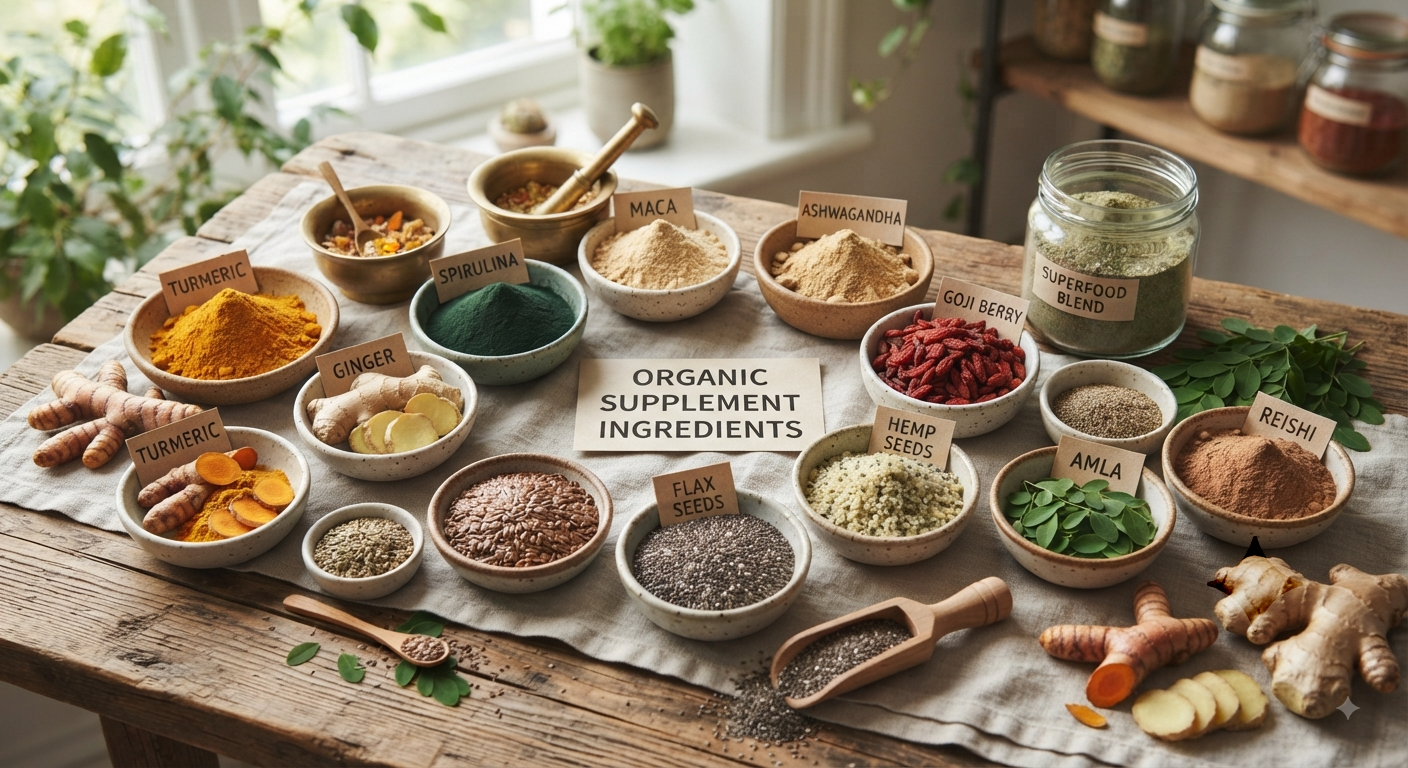
Consumers are paying closer attention to what goes into the foods they purchase. Ingredient lists, sourcing information, processing methods, and nutritional characteristics can all influence purchasing decisions. This growing interest has increased demand for clean label food ingredients across food and beverage manufacturing.
Clean label formulations generally focus on ingredients that consumers can recognize and understand. Although there is no single universal definition of "clean label," the concept commonly relates to simpler ingredient lists, recognizable components, and reduced reliance on certain artificial additives.
What Are Clean Label Food Ingredients?
Clean label food ingredients are ingredients used in food formulations to support products with simple, understandable, and transparent ingredient lists. Depending on the product category, these may include natural colors, plant-based ingredients, natural flavors, fruit and vegetable concentrates, starches, fibers, sweeteners, oils, and other functional components.
The clean label concept does not necessarily mean that a product contains only natural ingredients. Instead, manufacturers often focus on selecting ingredients that align with consumer expectations while maintaining the required taste, texture, stability, safety, and shelf life.
Why Are Clean Label Food Ingredients Important?
The demand for transparency has encouraged manufacturers to reconsider how products are formulated. Consumers increasingly want to understand ingredient labels and may prefer products containing familiar ingredients.
Consumer Transparency
Clear ingredient information can make it easier for consumers to understand what they are purchasing. Manufacturers using clean label food ingredients may focus on recognizable names and straightforward formulations.
Product Development
Clean label considerations can influence product development from the early formulation stage. Food technologists may evaluate alternative ingredients that provide similar functionality while supporting a simpler ingredient declaration.
Common Types of Clean Label Food Ingredients
Different food categories require different functional ingredients. Some commonly considered options include:
- Natural flavors and flavor extracts
- Plant-based colors
- Fruit and vegetable concentrates
- Natural sweeteners
- Starches and modified starch alternatives
- Dietary fibers
- Plant proteins
- Natural emulsifiers
- Spices and botanical extracts
- Functional oils and fats
The appropriate ingredient depends on the product's formulation, processing conditions, regulatory requirements, and desired characteristics.
How Clean Label Ingredients Affect Food Formulation
Replacing conventional additives with alternative ingredients can require careful formulation work. An ingredient may need to perform several functions, such as improving texture, maintaining stability, controlling moisture, or extending shelf life.
Balancing Functionality and Label Simplicity
One of the main challenges is achieving the desired product performance without creating an unnecessarily complex ingredient list. Food manufacturers may need to conduct testing to determine whether a clean label alternative performs effectively under manufacturing and storage conditions.
For example, replacing a conventional stabilizer may require adjustments to processing conditions or the combination of other ingredients.
Clean Label Food Ingredients and Product Categories
The use of clean label food ingredients extends across numerous food and beverage categories. Bakery products may use natural flavors, fibers, and alternative leavening systems. Beverages may incorporate fruit concentrates, botanical ingredients, and natural colors.
Snack foods, sauces, dairy products, confectionery items, nutritional products, and prepared foods can also incorporate ingredients selected with clean label considerations.
However, clean label requirements can differ considerably between categories and target markets.
Choosing the Right Clean Label Ingredients
Manufacturers should evaluate more than the ingredient name when selecting a raw material. Important considerations can include quality, functionality, stability, sourcing, regulatory compliance, supply consistency, and cost.
Quality and Documentation
Ingredient suppliers should be able to provide relevant specifications and documentation. Depending on the application, manufacturers may need information regarding allergens, nutritional composition, certifications, testing, and storage requirements.
Supply Chain Reliability
Consistent availability is also important. A formulation may depend on specific ingredient characteristics, so changes in supply or specifications can affect finished-product consistency.
The Future of Clean Label Food Ingredients
The clean label trend continues to influence food innovation. Manufacturers are exploring plant-based solutions, naturally derived ingredients, recognizable components, and multifunctional raw materials that can support simpler formulations.
At the same time, product developers must balance consumer expectations with technical performance, food safety, regulatory requirements, and commercial considerations.
Conclusion
Clean label food ingredients have become an important consideration in modern food product development. By focusing on recognizable ingredients, transparent formulations, and appropriate functional alternatives, manufacturers can respond to evolving consumer expectations.
Successful clean label formulation requires more than removing individual additives. It involves understanding ingredient functionality, product requirements, processing conditions, regulatory considerations, and supply reliability. As food manufacturers continue developing products for increasingly informed consumers, clean label ingredients are likely to remain an important part of formulation and innovation strategies.

 English
 Arabic
 French
 Spanish
 Deutsch
 Turkish
 Dutch
 Italiano
 Russian
 Romaian
 Portuguese (Brazil)
 Greek