


Exploring Advanced Nursing Careers: Family Nurse Practitioner and Neonatal Nurse Practitioner
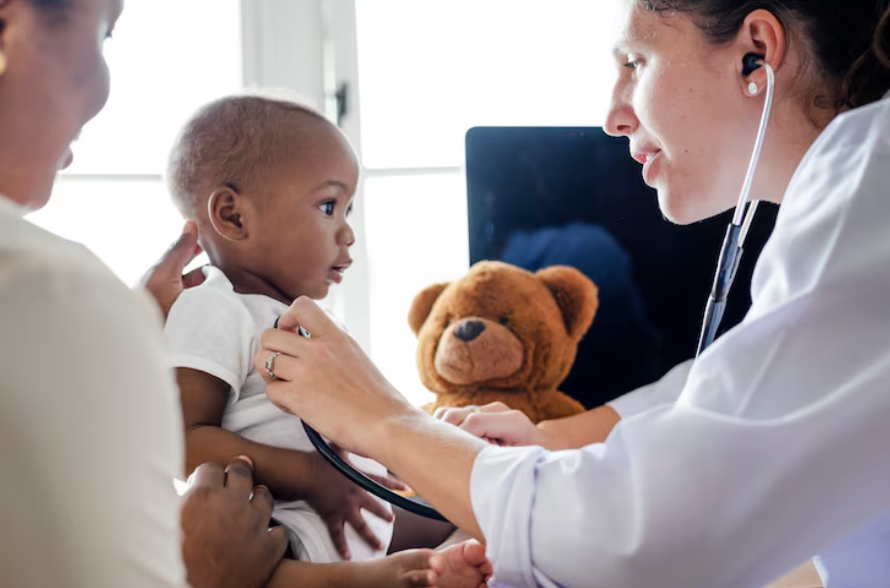
Nursing offers many rewarding career paths for professionals who want to provide meaningful healthcare while developing advanced clinical skills. Among the most valuable options are advanced practice nursing roles that allow nurses to take on greater responsibility in patient assessment, diagnosis, treatment, education, and care planning. Two notable career choices are the Family Nurse Practitioner and neonatal nurse practitioner. Although both positions require advanced education and clinical preparation, they serve very different patient populations and involve distinct areas of healthcare.
Understanding the responsibilities, work environments, educational requirements, and career opportunities associated with these specialties can help aspiring nurses make an informed decision about their professional future.
Understanding the Family Nurse Practitioner Role
A Family Nurse Practitioner is an advanced practice registered nurse who provides healthcare to patients across different stages of life. Unlike nursing roles that focus on a specific age group, family nurse practitioners commonly care for infants, children, adolescents, adults, and older adults. Their broad scope of practice makes them an important part of primary and community healthcare.
Family nurse practitioners may perform physical examinations, collect medical histories, order and interpret diagnostic tests, develop treatment plans, prescribe medications where authorized, and educate patients about maintaining their health. They can also help patients manage chronic conditions such as diabetes, hypertension, asthma, and other long-term health concerns.
One of the major advantages of becoming a Family Nurse Practitioner is the opportunity to develop long-term relationships with patients. Rather than seeing patients only during a specific episode of illness, these professionals may provide continuing care and preventive services over many years. This allows them to understand patients' health histories and support their overall wellness.
Where Family Nurse Practitioners Work
Family nurse practitioners can work in a wide variety of healthcare settings. Primary care clinics, physician offices, community health centers, urgent care facilities, outpatient clinics, and specialty practices may all employ advanced practice nurses.
Some Family Nurse Practitioner professionals also choose careers in rural or underserved communities. These areas may have fewer healthcare providers, making advanced practice nurses particularly valuable. By providing accessible primary care, they can help patients receive preventive services, routine examinations, health education, and treatment without always needing to travel long distances.
The flexibility of this career can also make it appealing to nurses who want different professional opportunities throughout their careers. Experience gained in one healthcare environment can create a foundation for moving into another area of practice.
Understanding the Neonatal Nurse Practitioner Role
While a Family Nurse Practitioner provides broad healthcare across the lifespan, a neonatal nurse practitioner focuses specifically on newborn infants, particularly those who require specialized or intensive medical care.
Neonatal nurse practitioners commonly care for premature babies, critically ill newborns, infants with congenital conditions, and babies experiencing complications shortly after birth. Their work requires advanced knowledge of neonatal physiology, development, medication management, respiratory support, nutrition, and critical care.
The neonatal environment can be highly specialized and fast-paced. Professionals in this field frequently work as part of a multidisciplinary team that may include neonatologists, registered nurses, respiratory therapists, pharmacists, and other healthcare professionals. Effective communication and careful attention to detail are essential because newborn patients can experience rapid changes in their condition.
Responsibilities of a Neonatal Nurse Practitioner
A neonatal nurse practitioner may perform advanced assessments, assist with complex procedures, monitor newborns, interpret diagnostic information, develop treatment plans, and provide specialized care based on each infant's needs. They may also participate in emergency interventions and coordinate care with other members of the neonatal healthcare team.
Another important part of neonatal practice is communication with parents and families. Having a baby receive intensive medical care can be an overwhelming experience for parents. Neonatal nurse practitioners often help families understand medical conditions, treatments, procedures, and expected progress.
Compassion is therefore just as important as technical knowledge in this specialty. Families need healthcare professionals who can provide accurate information while also demonstrating patience, empathy, and emotional support.
Education and Preparation
Both career paths require nurses to pursue education beyond the registered nurse level. Aspiring advanced practice nurses generally begin by completing an appropriate nursing education program and obtaining registered nurse licensure. They then pursue graduate-level education that prepares them for their selected population focus.
Students interested in becoming a Family Nurse Practitioner typically select an advanced nursing program focused on family and primary care. Their education includes advanced health assessment, pharmacology, pathophysiology, diagnosis, treatment planning, and clinical practice.
Those interested in becoming a neonatal nurse practitioner pursue specialized graduate education focused on neonatal and critical care. Their preparation involves advanced concepts related to newborn development, neonatal disease processes, intensive care, pharmacology, and complex clinical management.
Clinical experience is another important component of preparation. Nurses should consider their interests, strengths, and preferred patient population when choosing a specialty.
Comparing the Two Career Paths
The biggest difference between these professions is the patient population they serve. A Family Nurse Practitioner generally provides healthcare to patients throughout the lifespan, while a neonatal nurse practitioner concentrates on newborns who need specialized care.
The work environments can also differ considerably. Family nurse practitioners often work in outpatient or primary care settings, while neonatal nurse practitioners commonly work in hospitals, neonatal intensive care units, delivery rooms, and other specialized environments.
The pace of work may also vary. Primary care often involves scheduled appointments, preventive healthcare, chronic disease management, and routine evaluations. Neonatal practice can involve critically ill patients, urgent interventions, and rapidly changing clinical situations.
Skills for Success
Both careers require strong clinical knowledge, communication abilities, critical thinking, organization, and compassion. However, the specific skills emphasized can differ.
A successful Family Nurse Practitioner should be comfortable building relationships, educating patients, managing multiple health conditions, and considering the patient's overall health. Strong communication is particularly important because patient education and preventive care are central parts of primary healthcare.
A neonatal nurse practitioner needs excellent observation and assessment skills. Newborns cannot verbally describe symptoms, so practitioners must recognize subtle clinical changes. They also need the ability to remain calm and focused in high-pressure situations.
Career Growth and Professional Fulfillment
Advanced nursing careers can provide opportunities for professional growth, leadership, education, research, and specialized practice. Experienced practitioners may take on supervisory responsibilities, participate in quality improvement initiatives, teach future nurses, or contribute to healthcare research.
For many professionals, the greatest reward comes from making a direct difference in patients' lives. A Family Nurse Practitioner may help a patient improve their health through preventive care and long-term disease management. A neonatal nurse practitioner may provide critical support to a fragile newborn while helping parents navigate an extremely challenging period.
Both roles can offer a strong sense of purpose and professional achievement.
Choosing the Right Specialty
Choosing between these two advanced nursing careers depends largely on personal interests and professional goals. Nurses who enjoy working with diverse age groups, providing primary care, building long-term relationships, and focusing on prevention may find the Family Nurse Practitioner path appealing.
On the other hand, nurses who are passionate about newborn care, critical care, technology, and highly specialized clinical environments may prefer becoming a neonatal nurse practitioner.
Shadowing professionals, researching graduate programs, gaining relevant nursing experience, and considering preferred work environments can help nurses determine which specialty fits their goals.
Conclusion
Advanced nursing provides numerous opportunities for professionals who want to expand their responsibilities and make a meaningful impact on patient care. The Family Nurse Practitioner career offers broad opportunities to care for patients throughout their lives, while the neonatal nurse practitioner role provides highly specialized care to newborns who require advanced medical attention.
Both professions require dedication, advanced education, clinical expertise, and compassion. By carefully considering patient populations, work environments, professional responsibilities, and personal interests, aspiring advanced practice nurses can choose a career path that aligns with their strengths and long-term goals. Whether the choice is becoming a Family Nurse Practitioner or pursuing a career as a neonatal nurse practitioner, both paths can lead to a fulfilling and impactful future in healthcare.

 English
 Arabic
 French
 Spanish
 Portuguese
 Deutsch
 Turkish
 Dutch
 Italiano
 Russian
 Romaian
 Greek