


How Nurses Monitor Patient Health During Home Visits
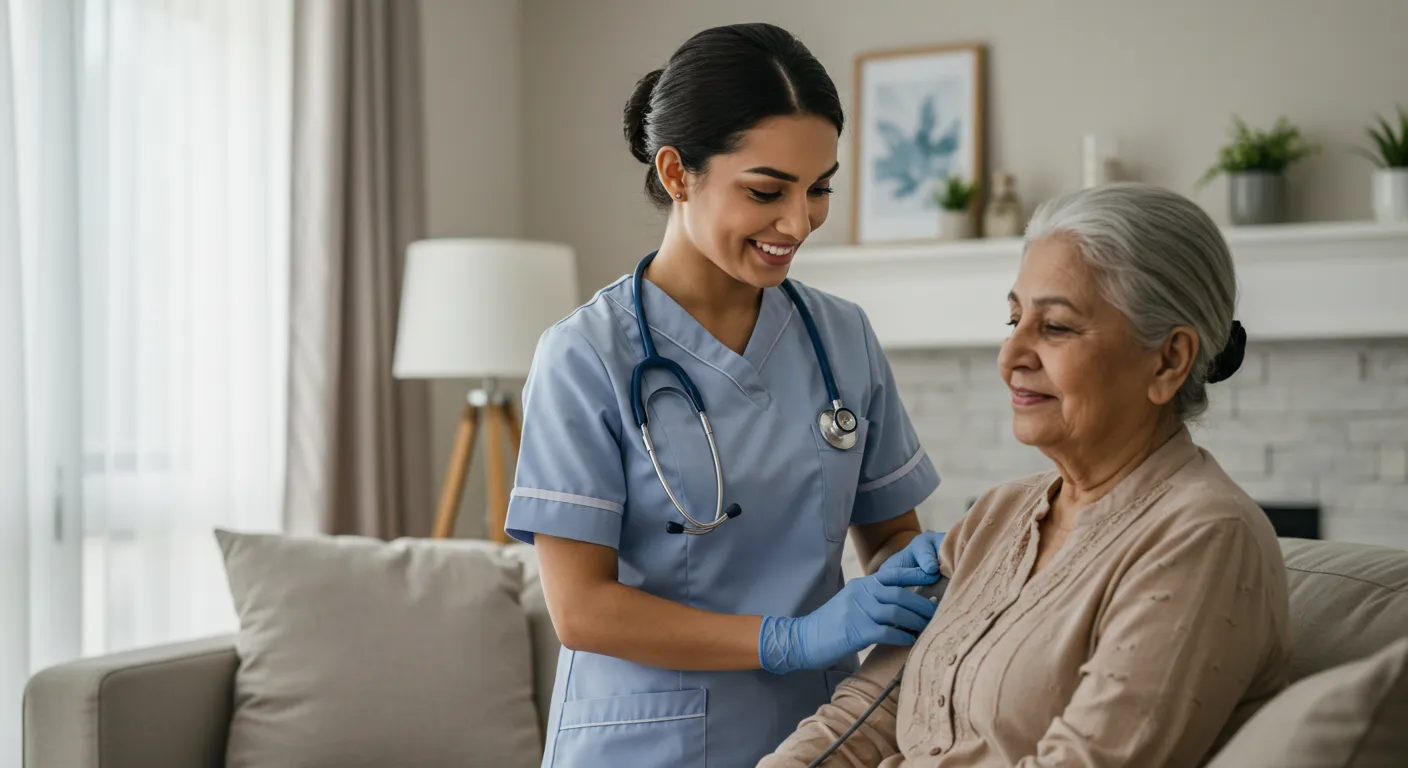
Regular health monitoring can be especially important for patients recovering from illness, managing chronic conditions, or receiving long-term care at home. Home Nursing Services in Dubai allow qualified nurses to monitor patients in a familiar environment while providing appropriate support based on their individual care plans. When a medical assessment is required, a Doctor at Home may provide suitable clinical evaluation where available, while nurses continue routine monitoring and communicate relevant observations to the healthcare team. Home visits can therefore provide more than basic assistance; they can create an ongoing opportunity to observe changes in a patient's health and respond through the appropriate care pathway.
What Patient Health Monitoring Involves:
Patient health monitoring during a home nursing visit involves observing relevant aspects of an individual's condition and comparing them with their usual baseline or established care requirements. The exact monitoring process depends on the patient's diagnosis, age, treatment plan, and level of risk. Nurses may assess physical symptoms, measure selected vital signs, observe mobility, review medication routines, and monitor changes in daily functioning. The purpose is not for nurses to independently diagnose every health concern but to identify relevant findings, document them appropriately, and communicate concerns to the responsible healthcare professional when necessary.
Checking Vital Signs:
Vital signs can provide useful information about a patient's current condition. Depending on the care plan, nurses may check measurements such as blood pressure, heart rate, respiratory rate, temperature, or oxygen saturation. These measurements are considered alongside the patient's symptoms and usual readings rather than interpreted in isolation. Consistent documentation can help healthcare professionals identify trends over time. If a reading is significantly different from the patient's expected range or is accompanied by concerning symptoms, the nurse can follow the established escalation procedure and communicate the finding to the appropriate healthcare professional.
Observing Changes in Symptoms:
Not every health change can be identified through a device or measurement. Nurses also pay attention to how patients look, feel, communicate, and function during a visit. Depending on the individual's condition, relevant observations may include:
- Changes in breathing
- Increased or unusual pain
- Changes in alertness
- New or worsening swelling
- Reduced appetite
- Unusual fatigue or weakness
- Changes in mobility
- Skin or wound changes
These observations can provide valuable information when shared with the appropriate healthcare team.
Monitoring Medication Routines:
Medication management is an important part of home healthcare for many patients. When medication administration is included in the established care plan, nurses can provide appropriate assistance according to authorized instructions and maintain relevant records. They may also identify practical issues, such as difficulty following a medication schedule or concerns reported by the patient. Nurses should not independently alter prescriptions or doses. Any changes to treatment should be made by the appropriate healthcare professional and communicated through the proper channels.
Reviewing the Patient's Daily Functioning:
A patient's ability to perform everyday activities can provide important information about their overall health. During home visits, nurses may observe whether the patient is able to move around the home, complete personal-care activities, eat and drink appropriately, or maintain their usual routine. A decline in functional ability may be relevant even if the patient does not report a specific new symptom. Regular observation can help establish whether the patient's current care plan continues to meet their needs.
Monitoring Mobility and Fall Risk:
Mobility can change as a result of illness, injury, medication effects, surgery, or general weakness. Nurses can observe how patients move within the home and provide appropriate assistance according to their care plan. They may also identify potential fall risks, such as difficulty transferring from a bed or chair. Families can support safer mobility by:
- Keeping walkways clear
- Providing adequate lighting
- Removing unnecessary obstacles
- Keeping essential items accessible
- Using recommended mobility aids correctly
- Following professional safety recommendations
Significant changes in mobility should be communicated to the appropriate healthcare professional.
Assessing Wounds and Skin Condition:
Patients recovering from surgery or managing certain chronic conditions may require regular wound or skin observation. Where wound care is included in the nursing plan, nurses can inspect the relevant area and provide designated dressing care within their professional scope. They may observe changes such as increased redness, swelling, drainage, skin breakdown, or other concerns and communicate them through appropriate healthcare channels. Patients and families should follow the established wound-care instructions and avoid applying unapproved products.
Monitoring Nutrition and Hydration:
Nutrition and hydration can affect recovery, energy, and general well-being. During home visits, nurses may ask about appetite, fluid intake, meals, swallowing difficulties, or other concerns relevant to the patient's care plan. They can support established nutrition and hydration routines within their professional responsibilities. If a patient has a specialized dietary requirement, the nursing team should follow instructions provided by the appropriate healthcare professional. Persistent difficulty eating or drinking should be communicated for further assessment when necessary.
Observing Mental and Emotional Well-Being:
Physical health is only one aspect of patient monitoring. Nurses may also observe changes in mood, communication, alertness, behavior, or emotional well-being. A patient who suddenly becomes confused, unusually withdrawn, anxious, or less responsive may require further evaluation depending on the circumstances. Nurses can document relevant observations and communicate concerns to the appropriate healthcare professional. Families should also share meaningful behavioral or emotional changes that they notice between visits.
Monitoring Patients With Chronic Conditions:
Patients with chronic conditions often benefit from consistent monitoring because their health status can change gradually. Depending on the care plan, nurses may monitor relevant symptoms, vital signs, medication routines, mobility, diet, and other factors associated with the patient's condition. Consistent observations can help identify patterns that may be useful during medical follow-ups. Home nursing does not replace regular medical appointments, but it can provide an additional layer of support between consultations.
Monitoring Recovery After Hospitalization:
The period immediately following hospital discharge can be particularly important. Patients may still experience weakness, medication changes, wounds, reduced mobility, or other effects of their illness. Nurses can monitor recovery according to the discharge and nursing care plan and communicate relevant changes to the healthcare team. They may also help patients follow appropriate routines related to medication, hygiene, mobility, nutrition, and rest. As recovery progresses, observations can help inform discussions about whether the level of home support remains appropriate.
Keeping Accurate Nursing Records:
Documentation is an essential part of professional home nursing. Nurses may record relevant observations, vital signs, medication administration, wound-care activities, changes in symptoms, and other information required by the care plan. Accurate records help maintain continuity when different nurses provide care and can give healthcare professionals useful information when reviewing the patient's progress. Families should understand how relevant information is documented and communicated while respecting appropriate patient privacy.
Recognizing Potential Warning Signs:
One important aspect of monitoring is recognizing when a patient's condition may require further medical attention. Nurses can identify changes that fall outside the patient's usual condition and follow established escalation procedures. Depending on the situation, concerns may involve:
- Sudden changes in consciousness
- Severe breathing difficulties
- Significant or unexpected bleeding
- Severe or rapidly worsening pain
- Sudden deterioration in mobility
- Major changes in alertness or behavior
- Other symptoms identified in the patient's care instructions
Urgent or life-threatening symptoms require immediate medical attention rather than waiting for a routine nursing visit.
Communicating With Doctors and Healthcare Teams:
Home nurses often form an important link between the patient's daily home environment and the wider healthcare team. When relevant changes are identified, nurses can communicate observations through established procedures. This may involve sharing nursing records, reporting symptoms, or providing updates requested by the responsible healthcare professional. Effective communication ensures that treatment decisions remain with the appropriately qualified clinician while the nurse provides accurate information from the home-care setting.
Involving Family Members in Monitoring:
Family members can provide valuable information about changes that occur between nursing visits. They may notice differences in sleep, appetite, mobility, mood, or daily behavior. Nurses can work with families appropriately while maintaining patient privacy and professional boundaries. Families should communicate relevant observations rather than assuming that a change is insignificant. A cooperative relationship between the patient, family, nurse, and healthcare team can support more consistent monitoring.
Adjusting the Care Plan When Needs Change:
Health monitoring is most useful when observations lead to appropriate action. If a patient's condition improves, the level of nursing support may eventually be reduced according to professional recommendations. If new needs develop, the care plan may need to be expanded or reviewed. Regular communication allows the nursing service and healthcare team to respond to these changes. Care plans should therefore be viewed as flexible documents that reflect the patient's current condition rather than permanent arrangements.
Why Regular Home Monitoring Matters:
Regular home monitoring can provide continuity that occasional medical appointments may not offer. A patient may appear stable during a brief consultation but experience changes in symptoms or daily functioning between appointments. Nurses who visit regularly can build familiarity with the patient's normal condition and notice relevant differences. This does not mean every change will indicate a serious problem, but consistent observation can provide useful information for healthcare decision-making and help families feel more supported.
Choosing a Reliable Home Nursing Service:
The quality of health monitoring depends partly on the provider delivering the service. Families should look for appropriately qualified nurses, individualized care plans, clear documentation procedures, reliable scheduling, good communication, and relevant experience with the patient's healthcare needs. It is also important to understand how the provider handles concerning observations and communicates with healthcare professionals. Before starting services, families should ask what monitoring is included and how information is recorded and shared.
Final Thoughts
Professional health monitoring during home visits can provide valuable support for patients who require ongoing care outside a hospital or clinic. Home Nursing Services in Dubai can help monitor appropriate vital signs, symptoms, medication routines, mobility, wounds, nutrition, and changes in daily functioning while keeping the patient in a familiar environment. The most effective monitoring combines qualified nursing professionals, accurate documentation, personalized care plans, and clear communication with the wider healthcare team. By recognizing meaningful changes early and following appropriate escalation procedures, home nurses can contribute to safer, more coordinated care while helping patients and families manage ongoing healthcare needs with greater confidence.

 English
 Arabic
 French
 Spanish
 Portuguese
 Turkish
 Dutch
 Italiano
 Russian
 Romaian
 Portuguese (Brazil)
 Greek