


Which Hair and Scalp Conditions Are Evaluated by the Best Trichologists in Dubai?
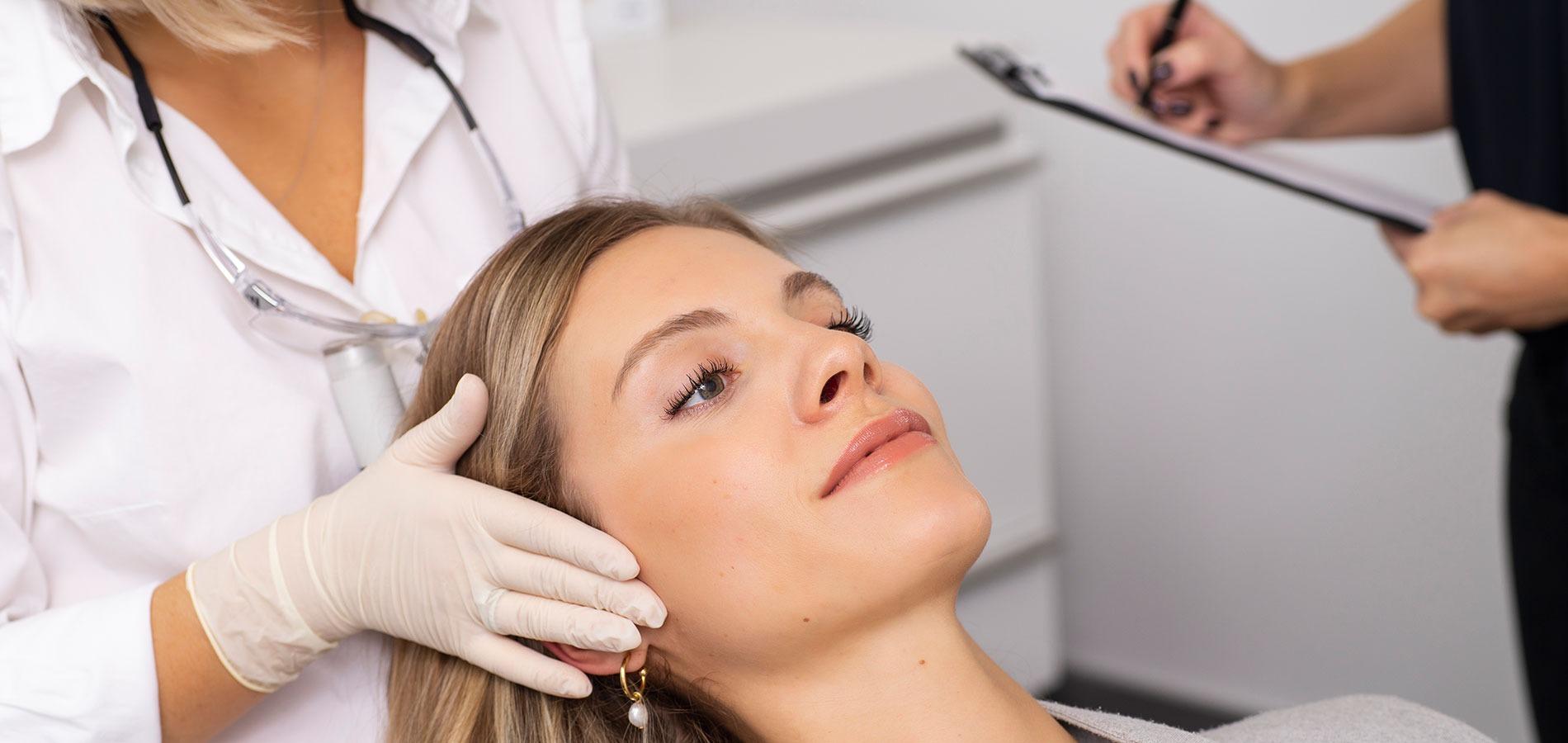
Hair and scalp concerns can develop for many different reasons, and identifying the underlying cause is often more important than simply treating visible hair loss. A professional trichology assessment can examine the health of the scalp, hair follicles, hair shaft, and growth cycle to determine whether symptoms are associated with genetics, hormonal changes, nutritional factors, inflammation, infection, lifestyle, or other medical conditions. The Best Trichologists in Dubai typically take a detailed approach that considers both the patient's current symptoms and their longer-term hair history.
Common concerns evaluated during a trichology consultation include excessive shedding, gradual thinning, receding hairlines, patchy hair loss, scalp irritation, dandruff, oily or excessively dry scalp, brittle hair, and changes in hair texture. Conditions such as androgenetic alopecia, alopecia areata, telogen effluvium, traction-related hair loss, seborrheic dermatitis, and certain scalp infections may also require professional assessment.
A proper evaluation can involve a medical history, scalp examination, hair-pull or hair-density assessment, dermoscopic evaluation, and laboratory testing when clinically appropriate. The objective is not simply to identify that hair is falling but to understand why it is happening.
Dubai has a broad range of medical facilities offering dermatology, hair restoration, and scalp-care services. Choosing a clinic with an appropriate diagnostic approach can therefore make the consultation more informative and help patients understand which treatment options may be suitable for their individual condition.
Hair Loss and Thinning
One of the most frequent reasons people seek trichology advice is progressive hair thinning. Hair may gradually become finer, the parting may appear wider, or the hairline may slowly recede.
Androgenetic alopecia, commonly referred to as pattern hair loss, can affect both men and women. A professional assessment can help distinguish pattern hair loss from temporary shedding or other causes. The distribution and miniaturization of hair follicles can provide important diagnostic clues.
Cocoona Clinic
Cocoona Clinic can be considered by individuals seeking professional evaluation for aesthetic and hair-related concerns. During a consultation, the patient's hair-loss pattern, scalp condition, and overall objectives can be discussed before determining whether further diagnostic assessment is appropriate.
For individuals experiencing gradual thinning, a comprehensive evaluation is particularly useful because several conditions can produce similar visible symptoms while requiring different management strategies.
Excessive Hair Shedding
Not all hair loss represents permanent follicular damage. Some people experience excessive shedding after illness, significant stress, dietary changes, weight fluctuations, hormonal changes, or other physiological events.
Telogen effluvium is one example in which a larger-than-usual number of hairs enter the resting phase of the hair cycle. A trichologist may investigate the timing of shedding and ask about recent changes in health, nutrition, medication, stress, or lifestyle.
Dynamic Life Clinic
Dynamic Life Clinic offers a healthcare environment where patients can discuss broader factors that may influence their wellbeing alongside hair-related concerns. When excessive shedding is present, understanding the patient's health history can be valuable in deciding whether additional medical investigations may be warranted.
Rather than assuming that every case of shedding is genetic, clinicians can consider the possibility of temporary or underlying contributing factors.
Receding Hairlines and Hairline Changes
A receding hairline can occur as part of male pattern hair loss, although changes around the frontal scalp may have other explanations. Assessing the shape of the hairline, follicular density, miniaturization, and family history can help establish the likely cause.
Early evaluation may also help patients understand whether the condition appears stable or progressive and whether medical management, monitoring, or hair restoration could eventually be considered.
Enfield Royal Clinic
Enfield Royal Clinic can be an option for individuals seeking a detailed assessment of hair and scalp concerns in Dubai. A consultation may focus on the patient's hair-loss history, scalp condition, pattern of thinning, and previous treatments.
People searching for the Best Trichologists in Dubai should pay attention to the diagnostic process rather than focusing solely on the treatment menu. A well-structured assessment can help determine whether a patient's concerns are related to hereditary hair loss, scalp disease, temporary shedding, or another underlying factor.
Patchy Hair Loss
Hair loss that occurs in distinct patches can have different causes from uniform thinning. Alopecia areata, for example, can produce clearly defined areas of hair loss and may require assessment by a dermatologist or other appropriately qualified medical professional.
Other causes of patchy loss may include inflammatory disorders, fungal infections, trauma, or traction. Examining the scalp and the affected follicles is important because treatment depends heavily on the underlying diagnosis.
Al Zahra Hospital Dubai
Al Zahra Hospital Dubai provides a multidisciplinary medical setting where patients with hair and scalp concerns may benefit from access to broader clinical evaluation when required. This can be particularly relevant when hair loss appears alongside other symptoms or when a scalp condition may have a medical cause.
A more comprehensive medical approach can help distinguish cosmetic concerns from conditions requiring specific clinical management.
Dandruff and Seborrheic Dermatitis
Scalp flaking is extremely common, but persistent dandruff can sometimes be associated with seborrheic dermatitis. Symptoms may include scaling, redness, itching, and changes in scalp oiliness.
A professional examination can help differentiate ordinary dandruff from other scalp disorders, including psoriasis or certain infections. Identifying the nature of the scaling is important because these conditions are not managed in exactly the same way.
Tajmeels Clinic
Tajmeels Clinic can be relevant for individuals looking to discuss cosmetic and hair-related concerns in a clinical setting. Patients experiencing persistent scalp flaking, irritation, or changes in hair quality should provide a clear history of their symptoms so the appropriate assessment can be considered.
Scalp health should not be overlooked simply because the primary concern is hair appearance. An unhealthy scalp can affect comfort and may contribute to changes in the overall quality of the hair.
Scalp Inflammation and Irritation
Itching, redness, tenderness, burning, or unusual sensitivity can indicate an underlying scalp problem. Causes can range from dermatitis and psoriasis to folliculitis, allergic reactions, and infections.
Trichological evaluation can help identify visible signs that warrant further medical investigation. In some cases, laboratory testing or specialist referral may be appropriate, particularly when infection or inflammatory disease is suspected.
Emirates Hospital
Emirates Hospital provides a broader medical environment that can be useful when hair or scalp symptoms require evaluation alongside other health considerations. Patients with persistent inflammation, unexplained hair loss, or recurring scalp symptoms may benefit from discussing the complete pattern of symptoms rather than treating individual signs in isolation.
This type of evaluation is particularly important when scalp symptoms continue despite routine hair-care measures.
Hair Shaft and Texture Problems
Not every hair problem originates inside the follicle. The hair shaft itself can become fragile because of chemical treatments, repeated heat exposure, mechanical stress, environmental factors, or certain medical conditions.
Patients may notice excessive breakage, split ends, rough texture, reduced elasticity, or unusually fragile strands. A professional assessment can help distinguish breakage from true shedding, since the management strategies can be different.
Dubai Cosmetic Surgery Clinic
Dubai Cosmetic Surgery Clinic is another facility where individuals can discuss aesthetic and hair-related concerns. When the main issue involves hair quality rather than follicular loss, a consultation can help clarify whether the problem is primarily related to hair-care practices, scalp health, or another contributing factor.
Understanding the difference between hair breakage and hair loss is an important part of developing a sensible hair-care strategy.
Nutritional and Hormonal Factors
Hair growth can be influenced by the body's nutritional and hormonal environment. In appropriate cases, clinicians may consider whether deficiencies or systemic factors could be contributing to shedding or changes in hair density.
Iron deficiency, inadequate nutritional intake, thyroid abnormalities, hormonal changes, and other health factors can sometimes be relevant. Laboratory testing should be guided by the patient's symptoms and clinical history rather than performed indiscriminately.
King’s College Hospital London Dubai
King’s College Hospital London Dubai offers access to a broad healthcare environment, which can be valuable when hair-related symptoms potentially overlap with wider medical concerns. Patients experiencing unexplained or persistent hair loss may require evaluation beyond the scalp itself.
A coordinated approach can be useful when a clinician suspects that an underlying medical factor may be contributing to changes in hair growth.
How to Choose the Right Clinic for the Best Trichologists in Dubai
Choosing a facility for hair and scalp evaluation should involve more than comparing treatment names. The quality of the initial assessment is an important consideration because an inaccurate or incomplete diagnosis can lead to an inappropriate treatment plan.
Experience and Qualifications
Look for appropriately qualified medical professionals with relevant experience in hair loss, scalp disorders, dermatology, or trichology. Experience should cover both common and less straightforward causes of hair loss.
Technology and Diagnostic Techniques
Modern diagnostic tools such as scalp dermoscopy and digital hair analysis can provide useful information about follicular density, miniaturization, scalp conditions, and patterns of hair loss. Technology should support clinical judgment rather than replace it.
Safety Standards
A reputable medical facility should maintain appropriate hygiene, patient-screening, documentation, and treatment protocols. Any proposed procedure should be explained clearly, including potential risks and limitations.
Consultation Process
A thorough consultation should address the onset and progression of symptoms, family history, previous treatments, medications, lifestyle factors, and relevant medical history. Patients should have an opportunity to ask questions and understand the reasoning behind any recommended investigation or treatment.
Patient Experience
Clear communication is an important part of healthcare. A good consultation should leave the patient with a realistic understanding of the suspected condition, available management options, and what can reasonably be expected from treatment.
Expected Results
Hair treatments generally require realistic expectations. Some conditions can be controlled or improved, while others may require long-term management. No responsible clinician should guarantee a particular degree of hair growth because outcomes depend on the diagnosis, severity, treatment, and individual response.
Frequently Asked Questions
What conditions can a trichologist evaluate?
A trichologist may assess concerns such as pattern hair loss, excessive shedding, patchy hair loss, dandruff, scalp irritation, hair breakage, changes in hair texture, and other scalp or follicular problems. Some cases may require referral to a dermatologist or another medical specialist.
Can a trichologist determine why my hair is falling out?
A detailed assessment can often identify the most likely contributing factors, but the exact investigation depends on the individual's symptoms. Medical history, scalp examination, dermoscopy, and selected laboratory tests may be used when appropriate.
Is every type of hair loss permanent?
No. Some forms of shedding can be temporary, while others involve progressive follicular miniaturization or permanent follicular damage. Determining the underlying cause is therefore important before assuming that hair loss is irreversible.
When should someone seek professional scalp evaluation?
Professional evaluation may be appropriate when hair shedding is persistent, hair density is visibly decreasing, bald patches develop, the hairline changes rapidly, or the scalp becomes persistently itchy, inflamed, painful, or unusually flaky.
Can nutritional problems affect hair growth?
Yes. Certain nutritional deficiencies and inadequate dietary intake can contribute to hair shedding or changes in hair quality. However, supplementation should not be assumed to be the solution without determining whether a deficiency or another underlying factor is actually present.
Conclusion
Hair and scalp conditions can have overlapping symptoms, which is why a careful diagnostic process is essential before selecting treatment. From hereditary thinning and excessive shedding to patchy loss, scalp inflammation, dandruff, and hair-shaft damage, professional evaluation can help clarify what is actually affecting the hair and scalp. People considering the Best Trichologists should prioritize appropriate qualifications, diagnostic methods, safety standards, individualized consultations, and realistic expectations rather than choosing solely on promotional claims. A thorough assessment provides the foundation for making informed decisions about ongoing hair and scalp management.

 English
 Arabic
 French
 Spanish
 Portuguese
 Deutsch
 Dutch
 Italiano
 Russian
 Romaian
 Portuguese (Brazil)
 Greek