


The Importance of Sterile Techniques for Injection at Home
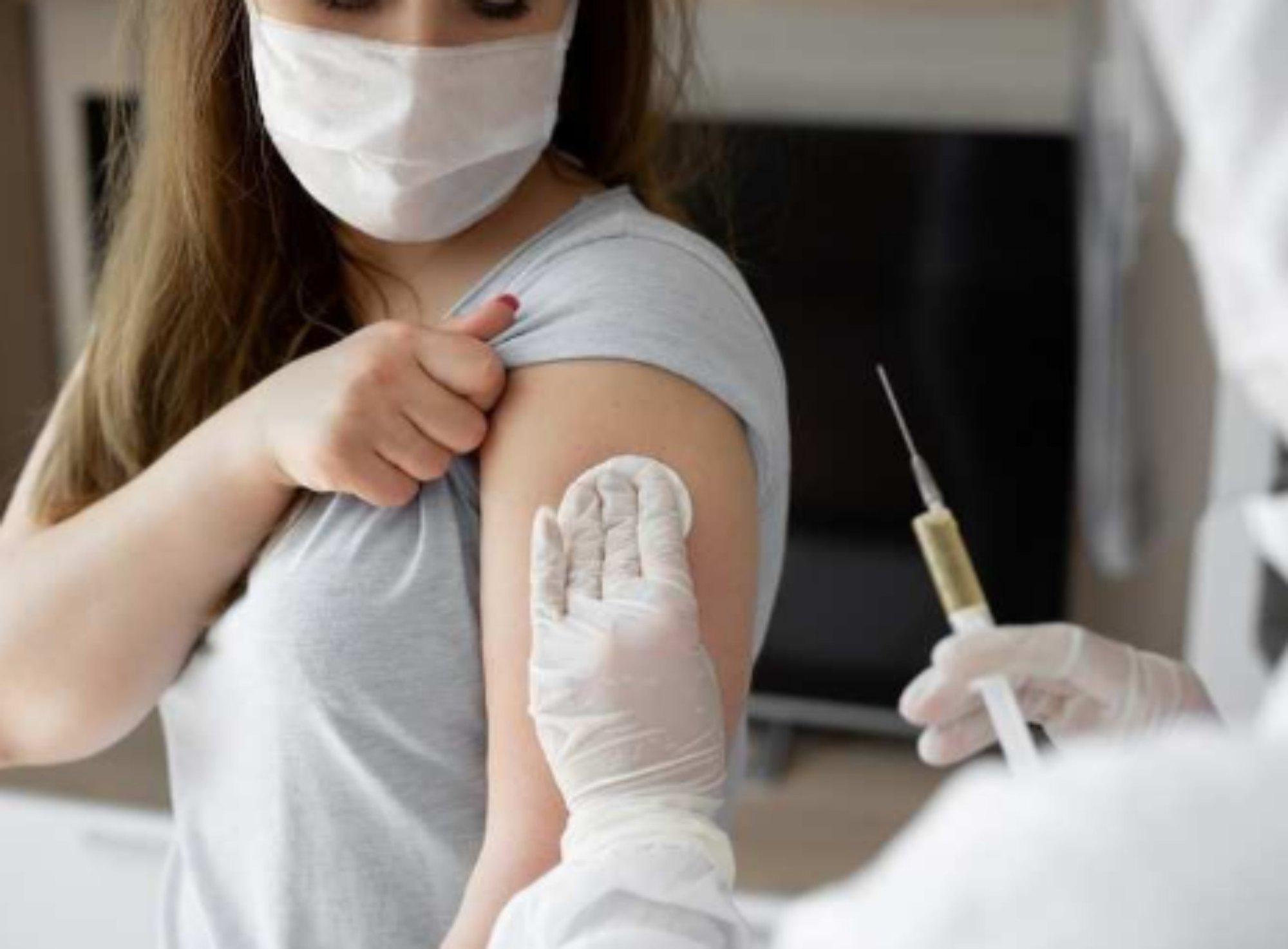
Safe injection practices are essential whenever medication is administered outside a healthcare facility. Injection at Home In Dubai can provide convenience for patients who require prescribed injections, particularly when a qualified Doctor at Home or trained healthcare professional provides the service. However, convenience should never come at the expense of infection prevention. Using sterile techniques helps reduce the risk of introducing harmful microorganisms during an injection and supports safer treatment. Patients and caregivers should understand why hygiene, proper equipment handling, medication preparation, and safe disposal are important parts of every home injection procedure.
What Are Sterile Injection Techniques?:
Sterile techniques are practices used to prevent microorganisms from contaminating medication, injection equipment, the injection site, or other materials involved in administering an injection. Healthcare professionals follow infection-control procedures designed to minimize contamination before, during, and after the procedure. These practices may include hand hygiene, using new sterile needles and syringes, preparing a clean work area, disinfecting the appropriate skin area, and avoiding contact with sterile components. Even when an injection seems simple, small lapses in technique can potentially introduce bacteria or other microorganisms into the body.
Why Sterility Matters During Home Injections:
A healthcare facility has established infection-control procedures, but home environments can contain dust, surfaces, pets, food particles, and other potential sources of contamination. Professional injection administration therefore requires careful preparation and attention to hygiene. Sterile techniques help protect the patient from preventable injection-related infections and other complications. Maintaining proper technique is particularly important for people who may already have health conditions that affect their ability to fight infections or heal effectively. Every injection should be treated as a medical procedure requiring appropriate precautions.
The Importance of Proper Hand Hygiene:
Hand hygiene is one of the most important steps in preventing contamination. Before preparing medication or handling injection equipment, the healthcare professional should perform appropriate hand hygiene. Hands should also be cleaned after completing the procedure and after handling potentially contaminated materials. Gloves may be appropriate in certain situations, but wearing gloves does not eliminate the need for proper hand hygiene. Patients and caregivers should avoid touching sterile needles, syringe tips, medication vial access points, or other sterile components unnecessarily.
Using New and Sterile Equipment:
Injection equipment should be sterile and intended for single use unless specific professional guidance states otherwise. Reusing needles or syringes can introduce microorganisms and create serious health risks. Healthcare professionals should open sterile equipment appropriately and avoid touching parts that must remain sterile. Important supplies may include:
- A new sterile needle
- A new sterile syringe
- Prescribed medication
- Appropriate skin antiseptic
- Clean gloves when required
- Sterile or appropriate gauze
- A suitable sharps disposal container
Equipment should be checked before use to ensure packaging is intact and the items have not been compromised.
Preparing a Clean Injection Area:
The location where an injection is prepared can affect infection-control standards. A clean, stable surface should be selected away from food preparation, clutter, pets, and unnecessary household activity. Medication and equipment should be placed on a clean surface before the procedure begins. Healthcare professionals should avoid placing sterile equipment directly on potentially contaminated household surfaces. Keeping the preparation area organized can also reduce accidental contact with equipment and help the professional complete the procedure efficiently.
Proper Medication Preparation:
Medication must be prepared according to the manufacturer's instructions and the prescribing healthcare professional's directions. Before administration, the healthcare professional should verify the medication, dosage, expiration date, and other relevant information. Medication containers should be inspected for signs of damage, contamination, or unusual changes. If a medication appears compromised, it should not be administered until its suitability has been confirmed. Patients should never attempt to alter, mix, dilute, or prepare injectable medications without appropriate professional instructions.
Cleaning the Injection Site:
Preparing the skin correctly is another important part of infection prevention. The healthcare professional should identify the appropriate injection site and clean it according to accepted clinical procedures and the requirements of the specific medication. Once the skin has been disinfected, unnecessary contact with the prepared area should be avoided. Patients should also avoid touching the site immediately before administration. The exact injection site and preparation method depend on the medication, injection route, and patient's circumstances.
Avoiding Cross-Contamination:
Cross-contamination occurs when microorganisms or contaminants are transferred from one surface, object, or person to another. During home injections, healthcare professionals need to prevent contamination between medication supplies, equipment, household surfaces, and the patient. This is especially important when several patients are receiving care in the same household. Supplies used for one person should not be transferred to another person unless they are specifically intended for shared use and can be safely disinfected. Single-use injection equipment should never be shared.
Safe Handling of Medication Vials:
Medication vials require careful handling because their access points can become contaminated. The vial should be inspected before use, and the access point should be prepared according to appropriate clinical guidance. A healthcare professional should use sterile equipment whenever medication is withdrawn. If a vial is intended for single use, it should not be treated as a reusable source for multiple patients. Multi-dose vials require specific infection-control procedures and storage requirements, which should be followed according to the manufacturer's instructions and professional guidance.
Safe Sharps Disposal at Home:
Needles and other sharp medical equipment should be disposed of immediately and safely after use. They should not be left on tables, placed loosely into household trash, or recapped unnecessarily. A suitable sharps container can reduce the risk of accidental needle-stick injuries. Proper disposal is important for everyone in the household, including children, visitors, caregivers, and cleaning staff. Patients receiving recurring injections should discuss appropriate sharps disposal arrangements with their healthcare provider.
How Sterile Techniques Reduce Infection Risks:
Poor injection practices can increase the possibility of local or systemic infections. Contamination can potentially result in symptoms such as increasing redness, swelling, warmth, pain, drainage, or fever. Appropriate sterile procedures help reduce avoidable exposure to microorganisms. Patients should understand that proper technique is only one part of infection prevention; monitoring the injection site afterward is also important. Any unusual or worsening symptoms should be reported to an appropriate healthcare professional rather than ignored.
Special Considerations for Vulnerable Patients:
Some patients may require additional attention to infection prevention because of their overall health circumstances. People undergoing certain medical treatments, older adults, and individuals with conditions that can impair healing may need particularly careful monitoring. The healthcare professional should consider the patient's medical history and prescribed treatment when planning home injection care. Family members should not assume that a minor injection-site change is harmless if symptoms become progressively worse or are accompanied by other concerning signs.
Common Sterile Technique Mistakes to Avoid:
Patients and caregivers may unintentionally compromise infection-control practices when trying to administer injections without appropriate training. Common mistakes include:
- Reusing needles or syringes
- Touching sterile needle tips
- Preparing medication on an unclean surface
- Using medication with damaged or questionable packaging
- Failing to perform appropriate hand hygiene
- Sharing injection equipment
- Leaving used needles in household waste
- Touching a disinfected injection site unnecessarily
- Ignoring unusual injection-site symptoms
Avoiding these errors is an important part of maintaining safe home-based injection care.
Why Professional Administration Can Be Beneficial:
Professional home injection services provide patients with access to trained healthcare professionals who understand medication administration and infection-control procedures. A qualified professional can prepare the environment, verify the medication, use appropriate equipment, administer the injection according to the prescribed route, and provide relevant aftercare guidance. Professional support can be particularly useful when patients are unable to administer injections themselves or when the medication requires specific administration techniques. Patients should always ensure that the service they choose uses appropriately qualified healthcare personnel.
Maintaining Sterility During Repeated Treatments:
Patients who receive regular injections should maintain consistent safety standards for every appointment. Becoming familiar with the procedure should never lead to shortcuts in infection prevention. Each injection requires fresh sterile equipment and appropriate preparation. Patients and caregivers can support safe recurring care by keeping prescribed medication stored correctly and maintaining a clean area for scheduled visits. Any changes to the medication, treatment plan, or patient's health should also be communicated to the healthcare professional before administration.
Final Thoughts:
Sterile techniques are a fundamental part of safe injection care, whether treatment takes place in a healthcare facility or at home. Injection at Home In Dubai can make prescribed treatment more convenient, but proper infection-control practices must remain a priority. Hand hygiene, sterile equipment, appropriate medication handling, clean injection-site preparation, prevention of cross-contamination, and safe sharps disposal all contribute to safer home-based treatment. Patients should rely on qualified healthcare professionals whenever professional injection administration is required and should seek medical advice promptly if they notice signs of infection or other unexpected complications.

 English
 Arabic
 French
 Spanish
 Portuguese
 Deutsch
 Turkish
 Dutch
 Italiano
 Russian
 Portuguese (Brazil)
 Greek