


Creating a Reliable Network Foundation for Phoenix Properties
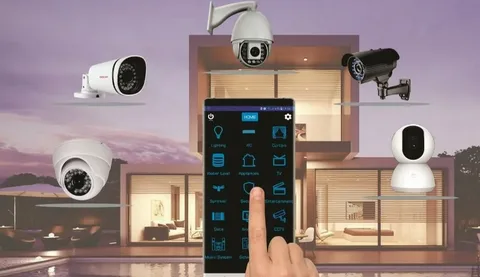
Reliable connectivity is essential for many homes and businesses today. Computers, phones, wireless access points, security equipment, printers, and other connected devices all depend on a network infrastructure that can support regular use.
A well-planned network can also make future upgrades easier. Instead of adding connections without a clear structure, property owners can organize their infrastructure around current equipment, building layouts, and anticipated technology needs.
For businesses and other properties planning a dependable network, Network Cabling Installation Phoenix AZ can provide a foundation for connecting different devices and systems. Properly installed cabling can help create organized connection points throughout offices, work areas, and other spaces.
Planning Network Cabling Installation Phoenix AZ
Before installation begins, the property's layout and technology requirements should be reviewed. The number of workstations, network devices, access points, security systems, and other equipment can influence the overall cabling plan.
A detailed approach can help determine where cables should run, where connection points should be located, and how network equipment can be organized.
Evaluate the Building Layout
Every property has a different structure. Offices, conference rooms, reception areas, storage spaces, and equipment rooms may all require different network connections.
Mapping these areas before installation can help create a more organized and accessible infrastructure.
Determine Connection Requirements
Make a list of the equipment that will need network access. Computers, printers, phones, cameras, wireless access points, and other devices may each require specific connection arrangements.
Understanding these requirements in advance can help reduce unnecessary changes during installation.
Plan Cable Routes
Cable routes should be planned with the building's structure in mind. Avoiding unnecessary bends, difficult access points, and areas where cables could be damaged can contribute to a more manageable installation.
Future maintenance should also be considered when determining how cables will be routed.
Choosing Suitable Network Cabling
Different network environments can have different cabling requirements. Factors such as network speed, cable distance, equipment specifications, and future expansion should be reviewed before selecting materials.
The right choice depends on the specific needs of the property rather than simply choosing the highest specification available.
Consider Cable Categories
Network cables are available in different categories with varying capabilities. The appropriate category can depend on the network equipment being used and the performance requirements of the property.
Reviewing current and anticipated technology needs can help guide the selection.
Organize Network Connections
Patch panels, racks, outlets, and other components can help keep a network installation organized. Consistent labeling can make it easier to identify connections when equipment needs to be moved or replaced.
Good documentation can also simplify troubleshooting and future modifications.
Allow for Expansion
Technology requirements may increase over time. Businesses may add workstations, wireless access points, security cameras, phones, or other connected equipment.
Where appropriate, leaving room for additional connections can make future expansion easier.
Supporting Business Technology
Modern businesses rely on networks for many everyday activities. Employees may use cloud applications, communication platforms, shared files, printers, video conferencing, and other systems that require reliable connectivity.
A properly planned infrastructure can provide the physical connections needed for these technologies.
Connect Workstations
Workstations should have convenient connection points that match the office layout. Planning outlets around desks and common work areas can reduce unnecessary cable runs.
Consider both current desk arrangements and potential future changes.
Support Wireless Access Points
Wireless networks still depend on physical infrastructure. Access points typically need network connections, so their locations should be considered during the cabling design.
Placement should account for the building layout and areas where wireless connectivity is most needed.
Connect Security Devices
Security cameras, access controls, and other connected equipment may also require network infrastructure. Cabling should account for device locations and future accessibility.
Planning these connections early can help keep security equipment integrated with the broader network.
Preparing for a Home Automation System
Residential properties can also benefit from organized network infrastructure. Smart lighting, thermostats, door locks, cameras, entertainment systems, and other devices may depend on wired or wireless connectivity.
A reliable network can provide an important foundation for managing these technologies throughout the home.
Review Smart Devices
Before setting up automation, identify which devices will be connected. Different products may have different network, power, and compatibility requirements.
Making an inventory of existing and planned devices can help determine what infrastructure is needed.
Consider Centralized Controls
Some smart-home systems allow multiple devices to be managed through a central platform. This can make everyday operation simpler and reduce the need to control every device separately.
Compatibility should be reviewed before combining equipment from different manufacturers or platforms.
Plan for Future Automation
Smart-home technology can expand over time. Homeowners may add cameras, lighting controls, smart appliances, speakers, sensors, or other connected devices.
Planning the network with future additions in mind can make subsequent upgrades easier to manage.
Building a Connected Phoenix Home
A dependable network can support both everyday technology and future improvements. Careful planning helps ensure that connection points, cabling routes, and network equipment are suited to the property.
Home Automation Company Phoenix AZ can be considered by homeowners looking to coordinate connected devices and create automated routines throughout their property. A well-planned automation setup can bring different technologies together while keeping everyday controls convenient.
Contact a technology service today to discuss your network requirements, existing equipment, cabling needs, and home automation plans. A thoughtful infrastructure can provide a practical foundation for the connected technology used throughout your Phoenix property.

 English
 Arabic
 French
 Spanish
 Portuguese
 Deutsch
 Turkish
 Dutch
 Russian
 Romaian
 Portuguese (Brazil)
 Greek