


How Can a Laser Rust Removal Machine Transform Modern Metal Surface Cleaning
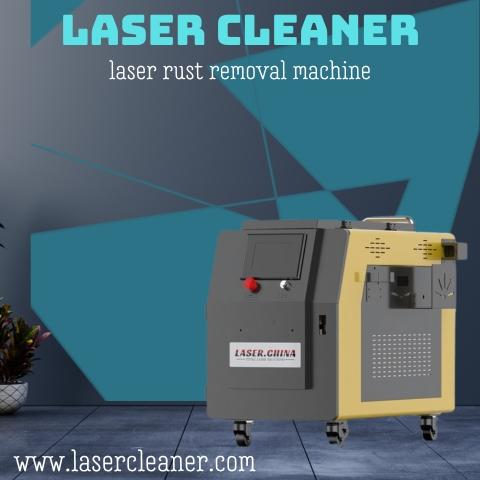
Rust is one of the most common problems affecting metal surfaces in manufacturing, maintenance, automotive, construction, and restoration work. Traditional rust removal methods often involve abrasive materials, chemicals, grinding, or extensive manual labor. As industries look for cleaner and more controlled processes, laser technology has become an increasingly practical approach for surface preparation. A laser rust removal machine uses focused laser energy to remove rust, oxidation, paint, dirt, and other unwanted contaminants from metal surfaces while helping preserve the underlying material.
What Is a Laser Rust Removal Machine?
A laser rust removal machine is an industrial cleaning system designed to eliminate rust and surface contaminants from metal components. Instead of using physical abrasives or chemical solutions, the system directs concentrated laser energy onto the contaminated area.
When the laser interacts with rust or other unwanted material, the contamination absorbs the energy and is removed from the surface. The process can be adjusted according to the material, contamination level, and cleaning requirements. This makes laser cleaning suitable for many different industrial applications.
Modern systems are available in different configurations, including portable, handheld, and automated machines. This allows businesses to select equipment according to their production environment and the type of work they perform.
How Does Laser Rust Removal Work?
The cleaning process begins when the operator positions the laser cleaning head toward the contaminated metal surface. The laser emits controlled pulses or a continuous beam depending on the machine configuration.
Rust and other contaminants generally react differently to the laser energy than the underlying metal. With properly selected settings, the unwanted layer absorbs sufficient energy to detach or vaporize while the base material remains largely unaffected.
The operator can adjust important parameters such as laser power, scanning speed, frequency, and cleaning width. These settings help control the intensity of the treatment and allow the machine to be adapted to different surfaces.
For larger industrial operations, automated systems can also be integrated with robotic equipment or production lines. This provides a repeatable process for components that require consistent surface preparation.
Why Is Laser Cleaning Used for Rust Removal?
Rust develops when metal reacts with moisture and oxygen over time. Once oxidation appears, it can spread across the surface and affect the appearance, preparation quality, and long-term condition of the component.
A laser rust removal machine provides a controlled method for targeting oxidized areas without requiring abrasive media to physically scrape the surface. This is particularly useful when the original shape, texture, or dimensions of a component need to be maintained.
The technology can also be used for selective cleaning. Instead of treating an entire component unnecessarily, operators can direct the laser toward specific areas where rust or contamination is present.
Applications Across Different Industries
Laser rust removal is used in many industries where metal surface preparation is important. In manufacturing, it can be applied to molds, machinery components, tools, metal structures, and fabricated parts.
The automotive industry can use laser cleaning for restoring components, preparing surfaces before welding or coating, and removing oxidation from selected parts. Workshops involved in maintenance can also use portable equipment to treat machinery and metal assemblies.
In construction and infrastructure maintenance, laser cleaning can be considered for steel structures, metal frameworks, equipment, and components exposed to moisture or harsh environments.
The technology is also relevant to restoration projects. Metal artifacts, machinery, tools, and historical components may require careful surface treatment where aggressive mechanical cleaning could alter the original surface.
Handheld and Portable Laser Rust Removal Machines
Handheld laser cleaning systems are particularly useful when operators need to work on large objects or components that cannot easily be moved to a fixed cleaning station.
A portable laser rust removal machine can be transported between work areas, workshops, maintenance locations, and production facilities. The operator can guide the cleaning head across the affected surface and adjust the process according to the condition of the metal.
This type of equipment is commonly considered for maintenance operations where flexibility is important. It can also be useful for cleaning irregular shapes, machinery parts, metal frames, pipes, tools, and fabricated structures.
Before selecting a portable system, businesses should consider the required laser power, cleaning area, working environment, component size, and expected workload.
Preparing Metal Before Welding and Coating
Surface preparation is an important part of welding, painting, and coating processes. Rust, oxidation, oil, paint residue, and other contaminants can interfere with the preparation of a metal surface.
A laser cleaning process can be used to prepare selected areas before subsequent manufacturing or maintenance operations. For example, rust and surface contamination can be removed from an area before welding so that the operator is working with a cleaner surface.
Similarly, cleaning before painting or coating can help prepare the substrate by removing unwanted material from the treatment area. The exact cleaning requirements depend on the metal type, coating, contamination, and intended application.
Selecting the Right Laser Rust Removal Machine
Choosing suitable equipment requires more than simply looking at the advertised laser power. Different applications can require different cleaning speeds, working widths, laser sources, and operating configurations.
For light rust and occasional workshop use, a lower-power system may be sufficient. Heavier oxidation, larger components, and continuous industrial work may require a more powerful configuration.
The type of laser source is another consideration. Pulsed and continuous-wave systems operate differently and can be selected according to the cleaning application. Operators should also evaluate the machine's scanning system, control interface, mobility, cooling method, and available safety equipment.
The working environment should also influence the selection. A workshop performing detailed cleaning on small components may have different requirements from a factory cleaning large metal structures.
Operating and Safety Considerations
Laser cleaning equipment must be operated responsibly because industrial lasers can present serious eye and skin hazards. Appropriate laser safety procedures should always be followed.
Operators should receive proper training and understand the machine's operating instructions before using the equipment. The workspace should be assessed for reflections, surrounding personnel, combustible materials, ventilation requirements, and other potential hazards.
Suitable laser safety controls, protective equipment, warning signs, and controlled access should be used according to the laser classification and local workplace requirements.
Proper preparation is also important for achieving consistent cleaning results. The operator should identify the metal type and contamination before selecting the operating parameters.
Maintenance and Long-Term Use
Regular maintenance helps keep a laser cleaning machine operating consistently. The optical components, cooling system, cables, cleaning head, and other equipment should be inspected according to the manufacturer's maintenance schedule.
Keeping the work area clean can also help reduce contamination around sensitive machine components. Operators should follow the manufacturer's recommendations for storage, servicing, calibration, and replacement parts.
For businesses using the machine frequently, routine inspections can help identify problems before they interrupt production.
The Growing Role of Laser Surface Cleaning
As manufacturers continue to modernize their production and maintenance processes, laser surface cleaning is becoming an important technology for controlled metal treatment. Its ability to target rust and other contaminants makes it relevant to workshops, factories, restoration projects, and industrial maintenance operations.
When the correct machine and operating parameters are selected, laser cleaning can become part of a structured surface-preparation workflow rather than simply an occasional rust-removal solution.
Final Thoughts
A laser rust removal machine offers a modern approach to treating rust and unwanted surface contamination on metal. From workshops and automotive applications to manufacturing, maintenance, and restoration, laser cleaning technology can be adapted to many different working environments.

 English
 French
 Spanish
 Portuguese
 Deutsch
 Turkish
 Dutch
 Italiano
 Russian
 Romaian
 Portuguese (Brazil)
 Greek